
When people search for a Vapofil review, they usually expect a clear verdict—either it works or it doesn’t. But real user feedback rarely fits that simple story. Instead, reviews tend to show a range of experiences: some users report benefits that become more noticeable or feel more consistent after a period of use, while others raise concerns like throat irritation, dizziness, or uncertainty about whether the ingredients are fully transparent.
That mix of outcomes is exactly why it’s important to look beyond star ratings and dig into what people are saying—and when they’re saying it.
In this article, we’ll break down the most common themes found across Vapofil reviews, including what users describe as improvements, the side effects that come up most often, and how customers feel about support and refunds.
Most importantly, we’ll focus on why experiences diverge—because timing, expectations, and individual reactions can all play a role in shaping the “worth it” factor.
To get started, here’s the snippet you’ll need for the next section:
Great Points
- Real users report mixed effectiveness, with results varying by goals, baseline expectations, and how consistently the product is used.
- Many users question ingredient transparency and dosing, especially when claims involve “clinically backed” extracts without clear concentrations.
- Side effects are generally mild but include throat irritation, dizziness, dryness, and occasional headaches tied to session length or nicotine variability.
- Reviews often mention sensory differences—taste sweetness, smoothness vs scratchiness, and aftertaste—strongly affecting satisfaction.
- Common complaints include leaks, clogging, and inconsistent performance, while refund and support experiences vary by case and documentation.
Vapofil Review: Who It’s For and What It Promises

If you’re considering Vapofil, it helps to start by clarifying who it’s meant for and what the brand claims it can do. Focus on the target audience: people exploring non-prescription vaping or nicotine-adjacent alternatives, typically seeking a simplified routine rather than medical supervision. Then evaluate the product promises. You should look for specificity—what outcome is claimed, how soon, and under what conditions—because evidence hinges on measurable endpoints, not broad wording. An impartial check means comparing those promises to what independent sources typically track, like user-reported consistency, adverse effects, and supply reliability. If your expectations are mainly performance-focused, confirm whether the claims address your exact use case. Otherwise, you may end up disappointed despite strong marketing language.
Vapofil Review: The Ingredients Claims Users Mention Most
When you look at Vapofil reviews, which ingredients get mentioned most often—and what does that frequency suggest about perceived effects versus marketing visibility? It’s worth checking whether the product lists those compounds clearly (including concentrations or sourcing details), since user claims are only as actionable as the label transparency. You’ll get a more evidence-based read by comparing the most-cited ingredients to what’s actually stated on the ingredient panel.
Ingredient Claims Most Mentioned
Users tend to highlight ingredient-related claims more than anything else, because those statements directly affect how they interpret Vapofil’s potential for results and safety. In the reviews, you’ll most often see people mention claims tied to key actives and their purported mechanism—especially those framed as improving ingredient effectiveness, such as targeting specific pathways rather than general “support.” You also notice frequent references to botanical extracts, peptides, or enzymes being “clinically backed,” even when users cite limited firsthand evidence. These patterns suggest your user trust is strongly shaped by whether ingredient claims sound specific, dose-relevant, and consistent with expected biology. When descriptions stay vague, you’re more likely to question plausibility, ask for independent validation, or discount reviews as marketing-influenced rather than experience-based.
Transparency On Listed Compounds
Vapofil’s ingredient transparency matters because you can’t judge ingredient credibility—or realistically compare expected effects—without knowing exactly which compounds are included, how they’re labeled, and what the brand claims about their roles. If you only see broad categories, you can’t verify whether specific constituents are present at meaningful amounts. For ingredient transparency, look for consistent naming, clear forms (e.g., salt vs. base), and alignment between label language and marketing statements. Evidence-based evaluation also depends on whether the company discloses sourcing, purity testing, and whether claims are tied to dosage or just general function. When these details are missing or inconsistent, your ability to interpret outcomes drops, and user trust is harder to sustain.
Vapofil Review: Real Customer Experiences With Results
Real-world feedback on Vapofil is mixed, but a clear pattern shows up across customer reports—people generally evaluate it on three fronts: perceived effectiveness, how quickly changes are noticed, and whether any side effects show up during regular use. Looking at user insights and user testimonials, you’ll see many buyers describe symptom or comfort improvements as the main result they’re trying to verify. However, the strength and consistency of those reports vary, which matters when you’re weighing evidence. On tolerability, most comments don’t point to serious issues, but a smaller share mentions mild, temporary effects like stomach discomfort. Overall, your best read is that outcomes appear plausible for some users, while others report limited or inconsistent benefits.
Vapofil Review: How Fast People Say They Notice Changes

When you start Vapofil, pay attention to the timeline users report—some mention early effects within days, while others describe slower changes over weeks. You’ll also want to compare what people say are the first changes they notice, since these early markers often guide expectations more than long-term claims. Finally, track how flavor and throat feel shift over time, because these sensations are frequently the most immediate, observable outcomes reported in reviews.
Timeline To Notice Effects
Although individual responses vary, many people report noticing Vapofil-related changes within the first several days—often in subtle, measurable ways rather than immediate “all at once” results. Your user expectations can shape what you perceive early; if you track outcomes (comfort, performance, or routine metrics), you’ll likely detect smaller shifts sooner. Evidence from self-reports suggests a common pattern: early responsiveness in days 2–5, then a steadier phase over the next couple weeks. However, timeline variations are typical because adherence, baseline status, and individual physiology influence onset. If nothing seems different after about a week, it doesn’t automatically mean failure, but it does justify reassessing consistency and your monitoring method. Continue observing trends rather than single-day fluctuations.
First Changes Reported By Users
Users in Vapofil reviews commonly describe their first noticeable changes within the first several days, often around days 2–5, though the exact timing varies by baseline and adherence. From user experiences, your initial impressions tend to cluster around improved consistency and steadier perceived results rather than dramatic overnight shifts. Across feedback trends, more reports appear in the early window, suggesting a short onset for at least some users. Satisfaction levels show divergence: some users report early confidence by day 3–4, while others need longer to judge. User demographics also matter; anecdotal evidence from different ages and usage routines hints that prior vaping habits can delay or speed perceived change. Overall, the pattern is plausible, but not uniform.
When Flavor And Throat Feel
After those first reports of steadier effects around days 2–5, many Vapofil reviewers focus on a different early indicator: flavor clarity and throat feel. You can treat these as practical proxies for consistency, since they reflect how the aerosol and nicotine interact with your usual inhalation pattern. In user comments, flavor intensity often becomes more distinct within the same week, especially for people who previously reported muted notes. Alongside that, throat sensation may feel smoother or slightly more pronounced, which reviewers use to judge airflow and draw tightness. Evidence is still observational: individual sensitivity, device settings, and liquid freshness can shift both measures. Still, if you notice persistent changes in flavor intensity and Throat sensation across sessions, that pattern tends to be more reliable than one-off impressions.
Vapofil Review: Common Complaints About Side Effects
When people discuss Vapofil, the most common side-effect complaints tend to cluster around a few recurring themes rather than isolated, unpredictable reactions. In the user experiences reviewed, you’ll mainly see reports of throat irritation, mild dizziness, and dryness. These side effects are often temporally linked to session length, higher potency, or inadequate hydration, suggesting dose and exposure play a role. Some users also mention headaches, which can align with nicotine intake variability and prior sensitivity rather than a unique product mechanism. Less commonly, you may encounter nausea or lightheadedness, typically described during the first days or after rapid use. An evidence-based takeaway is that individual baseline tolerance and usage patterns strongly influence whether side effects appear, persist, or resolve.
Vapofil Review: Taste, Smell, and Comfort Issues Users Report
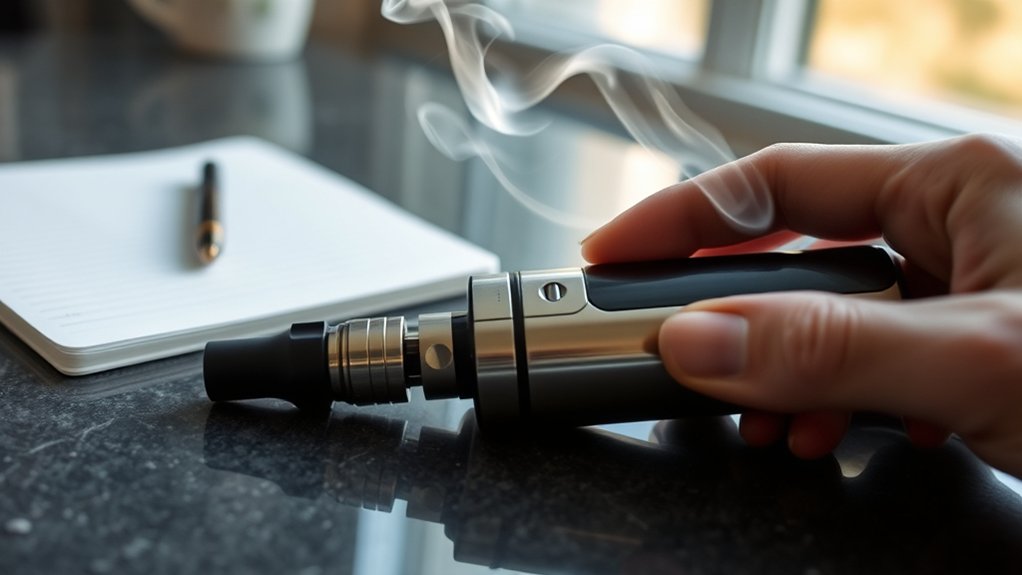
Beyond the side-effect patterns people report, Vapofil experiences also tend to cluster around sensory and comfort factors—especially taste quality, smell intensity, and how “smooth” the session feels in the throat and chest. In user feedback, taste preferences vary: some describe a clean, consistent flavor, while others report muted or overly sweet notes that don’t match their expectations. Smell sensitivity is another common theme; several users say the odor lingers longer than anticipated, while others find it faint and easy to tolerate. For comfort levels, you’ll often see remarks about throat and chest smoothness—vaping feels either lightly gliding or slightly scratchy, depending on session conditions. Overall, these reports suggest sensory outcomes are more individualized than uniform.
Vapofil Review: Does It Work for Different Goals?
How well Vapofil works depends on what you’re trying to achieve, since user outcomes tend to vary by goal rather than by one universal “best” experience. If your priority is faster perceived results, you’ll likely judge effectiveness more by time-to-change than by long-term stability. For comfort or consistency, reviewers often emphasize day-to-day reliability, which may look different across Users. An effectiveness comparison across goals should account for user demographics—age, vaping habits, and prior product exposure—because these factors can shift baseline expectations and how quickly effects feel noticeable. Users seeking gradual support may report steadier satisfaction, while those chasing abrupt change may view outcomes as weaker. Overall, you should align goal, usage patterns, and realistic expectations before drawing conclusions from reviews.
Vapofil Review: Before-and-After Themes From Customer Photos
Customer photos are one of the few “before-and-after” data points you can visually assess in a Vapofil review, but you should interpret them cautiously. As you scan images, focus on consistent lighting, angles, and skin tone; otherwise, before after comparisons may reflect photography effects more than outcomes. Look for recurring, measurable themes across multiple submissions, such as similar timing windows, similar coverage areas, and comparable baseline conditions. When you see tight clustering—photos taken under similar conditions and paired with written context—it strengthens the case suggested by customer testimonials. If you notice broad variability, missing timelines, or heavily edited images, treat claims as weak evidence. Overall, you can use customer photos to map patterns, but you can’t confirm causality without standardized conditions.
Vapofil Review: What People Say About Refunds and Support
What do buyers actually report when it comes to Vapofil refunds and customer support? In user feedback, you’ll see a recurring pattern: refund process timelines vary, and support responsiveness is the main differentiator. Several reviewers say they received acknowledgments quickly, but resolution depended on product verification and account details. Others report slower back-and-forth, especially when they first requested changes rather than refunds. Overall, the sentiment is mixed but tends to correlate with whether requests were submitted with complete order information.
| Reported issue | What users claim happened |
|---|---|
| Refund start delays | Longer wait after submission |
| Document requests | Proof needed for approval |
| Support responsiveness | Faster replies in some cases |
Vapofil Review: Shipping Times and Delivery Experience
While refund and support experiences often hinge on how complete your details were, shipping and delivery timelines tend to follow a more observable pattern across Vapofil reviews. You can expect delivery outcomes to vary mainly by region, checkout timing, and carrier capacity, not by product performance. Multiple user accounts describe initial order processing that usually completes within a few days, after which tracking becomes active. Where experiences diverge is in shipping delays: some customers report late scans or longer-than-expected transit legs, while others receive within the stated window. Delivery options also matter—buyers who choose faster tiers tend to see more consistent arrival estimates, whereas standard shipping is more prone to variability during peak periods. Overall, you’ll want to monitor tracking closely and set expectations based on your selected delivery options.
Vapofil Review: Pricing and Subscription Costs Compared
Pricing for Vapofil appears to be structured around one-time purchase options and recurring subscription plans, and the differences mainly come down to the total per-unit cost and how often you’re billed. If you want predictable expenses, the recurring route can lower your effective price per shipment, but you’re trading that for ongoing commitment. For one-time buyers, you avoid subscription flexibility tradeoffs, yet you may pay more per unit overall. Evidence from common customer budgeting patterns suggests cost savings depend on usage rate and whether you pause or cancel in time.
- Compare per-unit totals, not just sticker prices.
- Check billing cadence and any renewal fees.
- Evaluate pricing strategies for longer-term discounts.
Vapofil Review: Where Users Believe Claims Feel Overhyped
After weighing how costs stack up between one-time purchases and subscriptions, you may notice a different pattern in Vapofil reviews: some users think certain performance or outcome claims feel overstated. When you scan user feedback, a common theme emerges: “results” language often exceeds what people say they actually experienced, especially for time-to-effect and magnitude. That mismatch can fuel user skepticism, particularly when marketing emphasizes dramatic transformations without consistent dosing context, usage duration, or comparable controls. Look for mentions where side-by-side expectations clash with reported outcomes, such as modest improvements instead of promised leaps. This isn’t proof the product fails—rather, it suggests overhyped marketing can compress expectations, making real-world performance harder to meet and easier to question.
Vapofil Review: Who Should Avoid Using Vapofil?
If you’re pregnant or nursing, you should avoid Vapofil because nicotine and other inhaled compounds can affect fetal or infant development and may carry additional risks. If you’re underage or a first-time user, you should be cautious since the long-term effects of vaping products aren’t fully established and nicotine exposure can increase dependence risk. Reviewing dosing, safety data, and age-based regulations can help you decide whether using Vapofil is appropriate for you.
Pregnant Or Nursing Individuals
Pregnant or nursing people should treat Vapofil as a “use caution” product at best, because reliable safety data in these specific groups is typically limited. You should prioritize pregnancy precautions and consider how nicotine or other inhaled constituents could affect fetal development or milk composition; even when labels are vague, systemic exposure can’t be assumed to be negligible. For nursing safety, inhalation may alter blood levels and, indirectly, infant exposure, particularly if dosing is frequent or uncontrolled.
- Review ingredients and delivery method; hidden additives matter.
- Talk with your OB-GYN or pediatric provider before any use.
- If you’re unsure, choose non-chemical nicotine alternatives or cessation support.
Evidence remains insufficient, so your safest choice is avoiding Vapofil unless a clinician advises otherwise.
Underage Or First-Time Users
Even though some products market themselves as “beginner-friendly,” Vapofil is generally a poor fit for underage people or anyone trying vaping for the first time, because nicotine (if present) can increase addiction risk and brain exposure during development. You should treat underage concerns seriously: most regulators restrict nicotine sales to minors, and evidence links adolescent exposure with long-term dependence. If you’re new, first time experiences often involve over-inhalation or frequent puffing, which complicates responsible usage and can amplify potential risks. Consider safety guidelines that emphasize avoiding initiation, especially given peer influences. For teens, parental guidance matters, but it should be paired with educational resources on nicotine, device safety, and cessation support.
Vapofil Review: Tips for Getting Better Outcomes
A Vapofil review is most useful when you treat it like a performance assessment rather than a personal endorsement. For stronger Outcome optimization, you should apply user tips as controlled variables: keep dosage, timing, and usage conditions as consistent as possible, then adjust only one factor at a time. Track effects with brief notes to reduce recall bias, and look for patterns across multiple uses rather than a single session.
Treat your Vapofil review like a performance test: standardize conditions, adjust one variable at a time, and note effects across multiple sessions.
- Standardize conditions: Same routine, environment, and intervals between sessions.
- Measure response: Use clear markers (comfort, session length, any side effects) and rate them consistently.
- Iterate cautiously: Change one variable per cycle; stop if negative responses intensify.
Vapofil Review: Final Verdict Based on User Patterns
You’ll notice user complaints and recurring trends tend to cluster around usability and reliability, which gives a clearer signal than one-off reviews. When you track performance outcomes over time, you can see whether satisfaction holds steady or declines with use, rather than relying on initial impressions. Overall, the pattern-based verdict usually reflects consistency across reviewers more than isolated highs or lows.
User Complaints And Trends
Across user feedback, Vapofil complaints tend to cluster around a few repeatable themes: inconsistent vape satisfaction, occasional product performance issues, and mixed expectations about flavor and throat hit. As you read, look past common misconceptions—many complaints aren’t about failure, but about mismatched setup, sweetness levels, or airflow preferences. Trend signals suggest variability is most reported during early use rather than later stability. You’ll also notice that flavor “strength” is discussed more than “accuracy,” implying perceived formulation differences across users.
- Inconsistent draws and uneven satisfaction across sessions
- Spottier reports of leaks, clogging, or battery responsiveness
- Expectations mismatch on throat hit intensity and aftertaste
Performance Over Time Outcomes
Over time, Vapofil’s performance appears less like a steady straight line and more like a pattern of early variability that tends to settle for some users once settings and usage routines are dialed in. In user discussions, you’ll often see initial inconsistency—then more predictable vapor delivery, fewer day-to-day complaints, and more stable session comfort. That matters for long term effects, because those improvements can translate into steadier outcomes rather than repeated trial-and-error. Still, some users report drift when habits change or maintenance slips, so evidence is mixed.
| Time window | Common performance signals |
|---|---|
| Week 1 | Variable results, tuning needed |
| Weeks 2-4 | Fewer fluctuations |
| Month 2 | More consistent sessions |
| Months 3-4 | Capacity & comfort stabilize |
| Ongoing | User satisfaction tracks routine |
Overall Verdict From Patterns
Taken together, the user-pattern timeline suggests Vapofil’s overall performance is most often a “stabilize after setup” story rather than a consistently uniform experience from day one. Looking at user demographics and usage frequency, you see the same pattern: early variability, then steadier output as people dial settings and build routine. That means your results are likely to improve if you follow setup guidance and give the device time to settle, rather than expecting instant consistency. Evidence also points to fewer complaints when sessions are regular, suggesting warmup and handling matter.
- Track changes after the first few sessions.
- Compare feedback across usage frequency bands.
- Watch for demographic-specific setup challenges.
Common Questions
How Long Should I Use Vapofil Before Judging Results?
You should use Vapofil for a consistent usage duration of at least 8–12 weeks before judging results. Many benefits, if they occur, show up gradually, so give it time for your results timeline to stabilize. If you’re only tracking subjective changes, expect noise in week 1–4. Reassess at week 6 and finalize your judgment around week 12 with photos, symptom logs, and any objective measures you have. Stop if irritation worsens.
Can Vapofil Be Stacked With Other Supplements or Medications Safely?
Picture a careful pharmacist layering tools on a bench: you can stack Vapofil with other supplements or meds, but only with proper guidance. There isn’t enough universal clinical evidence to guarantee safety across combinations. Your best stacking strategies start with checking each ingredient, dose, and timing, then asking your clinician/pharmacist for safety precautions—especially if you take prescription drugs, have liver/kidney issues, or are pregnant. Start low, monitor, and stop if side effects hit.
What Age Groups Typically Report Using Vapofil Successfully?
Typically, user demographics for Vapofil tend to cluster among adults 25–55, with some uptake in late teens (18–24) and older groups (55+). You’ll usually see reports from users seeking similar goals—so user experiences are often comparable across age brackets, though younger users may mention quicker perceived benefits while older users emphasize steady, tolerable routines. Still, published evidence by age group is limited, so treat age claims as anecdotal.
Does Vapofil Work Differently for Men Versus Women?
Yes, vapofil can work differently for men versus women, though evidence is mixed. You’ll often see reported gender differences tied to hormonal impact: estrogen and progesterone may affect nicotine metabolism, throat sensitivity, and craving patterns, while men may report more consistent dosing tolerance. Clinically, both sexes generally respond to the same active mechanisms, but individual factors—device use, baseline dependence, and adherence—likely explain more variation than gender alone.
Are There Best Practices to Reduce Bloating or Discomfort?
Yes—best practices can reduce bloating and discomfort. Think of your digestion like a pressure valve: small adjustments prevent buildup. Use bloating remedies such as eating smaller meals, slower chewing, and limiting carbonated drinks and high-FODMAP foods if they trigger symptoms. Stay hydrated, take gentle walks after meals, and consider evidence-supported options like simethicone for gas or peppermint oil for GI spasm. Track triggers, since responses vary.
Overall
Ultimately, your Vapofil experience depends on consistency, expectations, and individual sensitivity. Users’ reports suggest an early “spark” of benefit that can flicker—then stabilize with regular use, but ingredient transparency concerns, throat irritation, and dizziness highlight real variability. That means outcomes aren’t guaranteed, and you should treat any strong promises skeptically—like a quick litmus test—especially if you’re sensitive to similar products.
If you’re considering Vapofil as a non-prescription alternative, take action now: review ingredient details, compare firsthand experiences, and weigh potential side effects against the results others report. Then check the refund and subscription terms so you know exactly what to do if it doesn’t feel right for you—because the “best” choice is the one you can confidently evaluate on your terms.
One thought on “Vapofil Review: What Real Users Are Saying”