
“Lab results,” they said—but in the supplement world, that phrase can sometimes mask more marketing than science. In this Titan Rise review, we’ll break down what the program claims to do for your energy, recovery, and sleep, and—just as importantly—whether those outcomes are the kind you’d realistically expect from its ingredient strategy. Before you spend money or build expectations, it’s worth asking a practical question: do the promises line up with how the ingredients work, or are the benefits being overstated?
We’ll also look beyond claims to the evidence behind them, weighing ingredient-level rationale against the absence of strong, large-scale clinical trials. And because results rarely look identical from person to person, we’ll consider what real users report—especially when factors like adherence, lifestyle, and individual biology vary. That combination of plausibility and feedback is often the deciding factor, and it sets up the rest of the article.
Great Points
- Summarize what Titan Rise claims to improve: energy, sleep, recovery, stress, and body composition through routines and supplement support.
- Evaluate ingredient transparency and whether doses match any peer-reviewed studies showing measurable human outcomes.
- Explain expected timelines: early appetite/energy changes may occur within weeks, but visible body-composition shifts take longer.
- Review side effects and who should avoid it, especially stimulants, GI upset, insomnia risk, and interactions with medications.
- Assess value using cost per serving and cost per effective dose, alongside diet and training adherence for realistic results.
What Is Titan Rise and What Does It Claim To Do
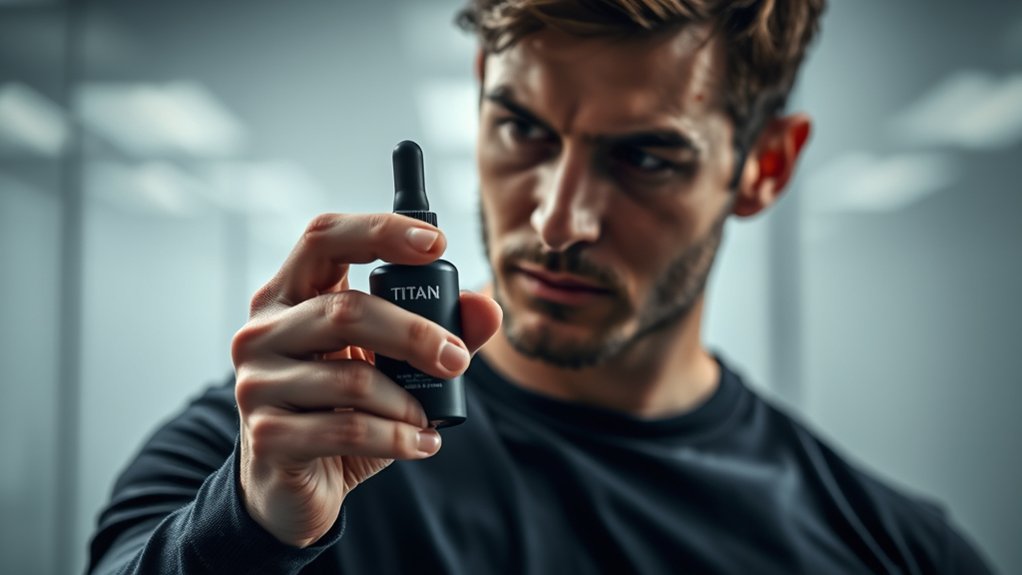
Titan Rise is marketed as a solution designed to help people improve their health and well-being through a structured program that’s typically built around specific products and routines. If you’re evaluating it, treat the claims as hypotheses, not facts, and look for measurable endpoints like body composition, energy, sleep quality, or blood markers. A practical benefits assessment means you check whether the program includes evidence-based habits (e.g., nutrition guidance, resistance training cues, and consistent tracking) rather than relying on vague promises. You should also scrutinize user testimonials for patterns: do people report similar outcomes, timeline consistency, and side-effect transparency? In science-informed terms, your goal is to decide whether the approach plausibly affects physiology through repeatable behaviors, not just marketing language.
Titan Rise Review: How It’s Supposed To Work
To judge whether Titan Rise has a real chance of improving your health, you need to understand the mechanics behind the program—how it’s supposed to change your daily behaviors and, in turn, your biology. You’re not just taking a product; you’re following a routine designed to cue healthier habits. In practice, that typically means consistent action, tracking, and repeatable schedules that support sleep, movement, and nutrition patterns. If you stick with the plan, you may see behavior-adherence effects: improved consistency often drives measurable outcomes through better energy balance, recovery, and stress regulation. That’s the core of titan rise effectiveness—behavior change, reinforced over time. If it fits your lifestyle, titan rise benefits are most likely when you apply the steps reliably and monitor your own response.
What Ingredients Are In Titan Rise
You’ll usually find that Titan Rise is built around a blend of supplements intended to support the main levers of daily health—energy metabolism, recovery, sleep quality, and stress regulation—rather than a single “magic” ingredient. In your formulation analysis, look for ingredient benefits that map to plausible physiology: energy support, muscle recovery, and circadian-friendly relaxation. Many products in this category commonly include:
- Caffeine or green tea extract for alertness and thermogenic energy metabolism.
- Electrolytes and amino acids (e.g., BCAAs) to help recovery and reduce post-workout soreness.
- Magnesium and/or L-theanine to support sleep quality and stress regulation.
When you review the label, prioritize standardized doses, ingredient forms that are bioavailable, and transparent sourcing.
Does Titan Rise Have Clinical Evidence Behind It
You’ll want to check whether Titan Rise has clinical trial data showing measurable outcomes in humans, not just supplement marketing claims. Look for published study evidence and whether the results are consistent across trials, ideally with peer-reviewed medical support. If you can’t find robust, independently verified data for the specific dose and outcome you care about, it’s smart to treat the product as unproven.
Clinical Trials And Outcomes
Clinical evidence is what separates marketing claims from real-world outcomes, so the key question for Titan Rise is whether its ingredients and protocol have been tested in controlled studies that measure meaningful endpoints (like fatigue, muscle performance, recovery markers, or cardiometabolic health) rather than only short-term “feel” metrics. You should look for clinical significance tied to solid trial methodology: randomized design, appropriate controls, and predefined outcomes. When you review any claims, check whether participants were similar to you, dosages were consistent, and follow-up was long enough to detect real change. Focus on:
- Pre-specified primary endpoints (not just secondary trends)
- Biomarkers that reflect recovery or metabolism
- Effect sizes with confidence intervals, not anecdotes
Published Study Evidence
Published study evidence is the fastest way to sort signal from hype for Titan Rise, because without controlled data you can’t reliably connect the formula to measurable improvements in fatigue, performance, recovery, or cardiometabolic risk. When you review the claims, look for published research in credible outlets—not blog summaries—and check whether studies used proper controls, randomization, and enough duration to detect meaningful outcomes. You also want scientific validation that matches your goal: exercise performance trials should measure work output, lactate, or validated endurance endpoints; recovery claims should track soreness, sleep, or biomarkers over time. If the available data are small, short, or non-comparative, treat results as preliminary. For practical use, prioritize ingredients with independent human data and transparent dosages.
Peer-Reviewed Medical Support
Peer-reviewed medical support for Titan Rise depends less on marketing language and more on whether its specific ingredient doses have been tested in humans under controlled conditions. You should look for peer reviewed studies that match Titan Rise’s exact amounts, formulations, and intended outcome, because generic evidence from different doses won’t reliably transfer. Then compare results to clinical guidelines for your condition or goal, since guidelines reflect effect sizes, safety, and when treatment is recommended.
To vet the evidence fast, check:
- Whether studies used the same active ingredients and dosages as the label.
- Whether outcomes were measured in controlled trials, not just observational reports.
- Whether safety and adverse events were systematically reported.
If key data are missing, you’re mostly guessing.
Titan Rise Review: Any Real-World User Results
When you look at Titan Rise real-world user results, you’ll usually see before-after photos that suggest changes in body composition, but you should also ask whether those differences match typical, measurable weight-loss patterns. Most users report gradual fat loss over weeks rather than rapid drops, so compare timelines to what’s realistic given calorie deficit and adherence. If the photos and weekly progress don’t align with a steady trend—along with basic factors like diet consistency—you may want to be cautious about what to expect.
Real User Before-After Photos
Wondering whether Titan Rise really delivers results beyond marketing claims? When you look for real user testimonials and real “before-after” photos, focus on consistent context: similar lighting, angles, and time frames. Many users share transformation journeys alongside basic habits like improved diet quality and training adherence—so the photos reflect more than the supplement alone. For evidence-minded comparison, check that reported changes align with plausible physiology: lean mass gains are slower, while water shifts can happen quickly. Use this quick checklist before you trust any photo set:
- Same posture and camera distance
- Clear dates and start/stop photos
- Notes on calories, workouts, and adherence
Typical Weight Loss Timeline
Real “before-after” photos are more convincing when you understand what a realistic fat-loss timeline looks like, not just how fast someone claims results. You’ll typically see weight loss phases: early water-drop in week 1–2, then steadier fat loss as adherence improves. In practice, most people average ~0.5–1% of body weight per week; slower is still meaningful because muscle and hormones matter.
| Timeframe | What you might notice |
|---|---|
| Weeks 1–2 | Water loss, scale dips |
| Weeks 3–6 | Fat loss steadier, hunger fluctuates |
| Weeks 7–12 | Body shape changes, plateaus possible |
| Months 3–6 | Slower rates, habits solidify |
Your timeline expectations should be flexible: sleep, protein, training, and calories drive results. If you’re losing fast without consistency, it’s often not pure fat.
How Fast Can You Expect Changes From Titan Rise
How fast can you expect Titan Rise to start showing changes? If you start consistently, many people notice early appetite or energy shifts within about 1–2 weeks, but visible scale changes usually come later. Your expected results depend on adherence, diet quality, and baseline weight, so treat the first weeks as a setup period rather than a guarantee. In an evidence-based approach, aim to judge progress by trends, not daily fluctuations.
- Days 7–14: some feel reduced cravings; initial timeframe for behavioral momentum
- Weeks 3–6: weight trends may become clearer if calories support loss
- Weeks 6–12: most noticeable fat-loss patterns show up, assuming sleep and training align
Titan Rise Dosage Guide and How To Take It Safely
Once you know roughly when Titan Rise might start to change appetite and body composition, the next step is dialing in your dosing so you’re giving your body consistent support. Start with the label’s initial dosage recommendations and take it once daily with water, ideally at the same time each day. If you’re sensitive, give yourself a 3–7 day ramp-up by using the lower end of the dosing range, then increase only if you tolerate it well. For safe consumption, avoid stacking it with other stimulatory supplements, and don’t exceed the maximum daily amount. Track appetite, sleep, and any GI discomfort; if side effects show up, scale back or stop. Stick to consistent timing and reassess after 4–6 weeks before changing your dose.
Who Should Avoid Titan Rise and Why
You should avoid Titan Rise if you’re chasing results based on unproven claims, because evidence for specific outcomes isn’t established. It may not fit your goals if you need clinically supported, goal-specific therapy—supplement use isn’t a replacement for proper medical care or training. You should also be cautious (or skip it) if you’re prone to side effects or take medications, since potential adverse reactions and interaction risk can outweigh any uncertain benefits.
Unproven Claims And Expectations
Even if Titan Rise gets marketed as a breakthrough, it’s still missing the kind of strong, independently verified evidence you’d want before relying on it for results that matter. If you’re prone to unrealistic expectations, you should be especially cautious—many marketing tactics lean on anecdotes, vague timelines, or before-after photos without proper controls. In science-informed terms, claims should be supported by randomized trials, clear dosing, and transparent reporting of outcomes and adverse effects.
You should look out for:
- Guaranteed results despite biological variability
- Overstated mechanisms without human data
- No independent studies or inaccessible trial methods
If these red flags show up, pause and verify with reliable sources before spending money or changing your routine based on unproven expectations.
Not Suitable For All Goals
Titan Rise may not be a good fit if your primary goal requires tightly predictable outcomes, because it hasn’t demonstrated the kind of consistent, independently verified results that would justify relying on it for high-stakes targets. You should also be cautious if you need strict timelines, measurable milestones, or reimbursement-grade evidence. If your goal alignment depends on a specific training or recovery protocol, Titan Rise may not map cleanly to your plan. People who expect the same effects regardless of baseline fitness, sleep, nutrition, or medical context often get disappointed. Finally, if you already follow a well-validated regimen, you may not benefit much. For best results, consider an individualized approach with professional guidance, not a one-size strategy.
Potential Side Effects Risk
Because Titan Rise doesn’t come with strong, independently verified safety and efficacy data, the “not suitable for all goals” caveat extends to safety: certain people should avoid it (or only use it under close medical supervision). If you’re trying it, you should think carefully about side effects and your personal risk factors. In particular, avoid or consult first if you have: – uncontrolled hypertension or heart disease – a bleeding disorder or you take anticoagulants/antiplatelets – thyroid disease, bipolar disorder, or significant liver/kidney problems. Common concerns with supplements like this include stimulant-like effects, GI upset, allergic reactions, and rare drug–supplement interactions. If you’ve had adverse reactions to similar products, don’t “test anyway”—speak with a clinician.
Titan Rise Side Effects and Common Complaints
While some users report that Titan Rise helps with energy and workouts, you should also know the most common side effects and complaints that show up in reviews—because supplement ingredients can affect people differently. Here’s a side effects overview: the most frequently mentioned issues are mild GI upset (nausea, stomach discomfort), headaches, jitters, and trouble sleeping, often linked to stimulatory components or timing. You might also notice increased heart rate or feeling “wired,” especially if you take it too late or combine it with caffeine. Some user complaints include no noticeable effect, which can reflect inconsistent dosing, inadequate hydration, or tolerance from prior supplement use. Practical tip: start with the lowest recommended dose, track your caffeine intake, and stop if symptoms persist or worsen.
Titan Rise Review: What About Pricing and Value
When you’re evaluating a supplement like Titan Rise, pricing and “value” matter just as much as the promised effects—so you should look at cost per serving, the label’s effective ingredient doses (not just the total blend), and whether the product fits your routine without encouraging higher-than-needed dosing. Use pricing strategies, not hype: compare the daily dose you’d actually take to other products with similar, evidence-backed ingredient amounts. For value comparisons, consider:
Compare Titan Rise by cost per day, label doses, and recommended capsule count—not hype—so you’re not paying for extra stacking.
- Cost per serving and per day at the recommended dose
- Dose transparency: does each key ingredient list show meaningful mg?
- Dosing flexibility: can you stay consistent without stacking doses?
If the price looks low but requires more capsules for the “active” amounts, it’s not a true bargain.
Compare Titan Rise With Similar Testosterone Boosters
How does Titan Rise stack up against other testosterone boosters on the market? In a testosterone comparison, you’ll want to weigh ingredient evidence, not hype. Most “boosters” use common, modest-acting compounds; if you’re expecting big hormonal shifts, you’ll likely be disappointed. Look for clinical data on increases in total/free testosterone, strength, or lean mass—then check whether Titan Rise’s formula matches that signal for booster effectiveness.
| Option | Evidence strength | Practical takeaway |
|---|---|---|
| Tribulus | Weak/mixed | Trial only, track changes |
| Vitamin D | Moderate | Best if deficient |
| Zinc | Moderate | Use if low intake |
| Titan Rise | Emerging/mixed | Follow label, monitor labs |
You should also consider your baseline health, sleep, and training since these often dominate outcomes.
Tips to Maximize Results With Titan Rise
To get the most out of Titan Rise, focus on the basics that actually move testosterone and lean-mass outcomes—consistent resistance training, adequate sleep, and sufficient calories—and only then judge any supplement effect. Pair your exercise routines with progressive overload: add reps or weight weekly, and keep 10–20 hard sets per muscle group total. Don’t let recovery lag; aim for 7–9 hours of sleep and manage stress, since poor sleep can blunt hormonal signals. On top of that, tighten diet strategies: hit protein targets and distribute carbs around training to support performance.
- Track workouts and calories for 2–4 weeks.
- Use steady form and full-range motions.
- Take Titan Rise with meals, then reassess.
Final Verdict: Does Titan Rise Really Work?

So, does Titan Rise really work? Based on what’s publicly available, you shouldn’t assume guaranteed effectiveness. The science most supplements can claim is plausibility: individual ingredients may influence markers like appetite, training performance, or recovery, but effects are typically modest and vary by dose and baseline fitness. In practice, your results hinge on adherence: consistent use, progressive resistance training, adequate sleep, and protein/calorie targets. If you’re a user chasing big, rapid changes, expectations will likely disappoint. Consider it a “possible helper,” not a driver. Watch for outcomes you can measure—strength gains, body composition, and side effects—and stop if you notice adverse reactions. If those metrics don’t move after a reasonable period, it’s time to reassess.
Common Questions
Does Titan Rise Contain Banned Substances or Violate Sports Drug-Testing Rules?
Yes, you should be cautious: there’s no way to guarantee Titan Rise doesn’t contain banned substances without transparent ingredient analysis from third-party labs. Look for NSF Certified for Sport, Informed Choice, or COAs; without them, claims rely on marketing, not evidence-based testing. Sports drug rules (WADA/USADA) can treat “proprietary blends” as risky. Check user testimonials, but remember they can’t confirm compliance. If you can’t verify sourcing and testing, don’t use it before competition.
Can Women Safely Use Titan Rise, and How Might It Affect Hormones?
Yes, women can often use Titan Rise safely, but it depends on your ingredients, dose, and health history. Check the label for stimulants, herbal extracts, and any claims about hormones. For hormonal balance and women’s health, evidence is limited; some compounds may modestly affect stress pathways or appetite, but most aren’t proven to meaningfully shift estrogen or thyroid. Talk to your clinician if you’re pregnant, trying to conceive, or on hormone meds.
Will Titan Rise Interact With Common Medications Like Antidepressants or Blood Pressure Drugs?
Titan Rise may have drug interactions, but direct clinical evidence with antidepressants or blood pressure drugs is limited. If you take SSRIs/SNRIs, MAOIs, or antihypertensives, you should treat medication safety seriously. Because some ingredients could affect neurotransmitters or vascular tone, side effects like dizziness, blood pressure changes, or unusual mood shifts are possible. Talk to your clinician or pharmacist before starting, especially if you’re on multiple meds.
How Long Should I Cycle off Titan Rise to Avoid Tolerance or Side Effects?
You should typically cycle off Titan Rise for about 4–8 weeks, then reassess how you feel and whether performance’s plateaued—this is a practical tolerance management approach. For example, if you noticed steady strength gains after 3–4 weeks but weaker “pump” and mild sleep disruption afterward, take a break, then restart at a lower dose. Use cycling strategies, track side effects, and consult a clinician if symptoms persist.
Is Titan Rise Gluten-Free, Vegan, and Free of Common Allergens?
Yes—Titan Rise is often marketed as gluten-free and vegan, but you shouldn’t assume. Check the Supplement Facts and allergen statement for “gluten” and for dairy, soy, eggs, nuts, and shellfish. For evidence-based confidence, look for third-party testing (e.g., NSF/Informed Choice) and clear ingredient sourcing. If you’re sensitive, verify with the manufacturer, since formulations can change and cross-contamination risks matter.
Overall
Overall, Titan Rise may offer some people a noticeable boost in energy and support with sleep by combining familiar “performance” ingredients, but there isn’t strong clinical proof that it reliably drives fat loss or significantly raises testosterone. Real-world outcomes usually depend on your consistency—how you pair it with solid nutrition, smart training, and adequate recovery. That’s why results tend to be mixed: supplement studies often show small average effects, while individuals can vary widely based on lifestyle and tolerance.
If you’re considering Titan Rise, treat it like an experiment you control: start with a clear goal, track metrics closely (energy, sleep quality, body measurements, workouts), and be ready to adjust your routine if you don’t see progress. Pay attention to common warning signs like GI discomfort or jitters, and stop if side effects outweigh benefits. If you want the best chance of success, pair it with a consistent plan and monitor your response from day one—then decide whether it’s worth continuing.