
If you’ve been exploring Symbioflore 50 by Biovancia, you’re probably not just curious about gut health—you may be wondering whether this probiotic can also support prostate-related wellness. That’s a smart question, because the “gut-prostate connection” is often discussed, but the real value of any supplement depends on details you can’t ignore: whether the strains are clearly identified, how consistent each dose is, how quickly the formula settles in, and whether your body tolerates it in the real world. In this review, we’ll cut through the marketing and focus on what matters if your goal is prostate health support.
We’ll also take a risk-aware look at what to monitor along the way, including potential side effects, the safest way to start (especially if you’re sensitive or prone to bloating), and the timing of expected effects. Just as important, we’ll cover interactions to consider—particularly if you take immunosuppressants, have ongoing medical treatments, or use medications that can affect the gut environment. By the end, you’ll have a clearer sense of what Symbioflore 50 may realistically deliver and what red flags to watch for.
Great Points
- Reviews should assess strain-level labeling, CFU dose at end of shelf life, and viability/expiration testing for Symbioflore 50.
- Look for evidence linking gut microbiome support to prostate outcomes, typically via improved gut function rather than direct prostate targeting.
- Check dosing guidance, especially taking with food and separating from antibiotics by several hours to preserve probiotic viability.
- Expect possible short-term GI effects like gas or looser stools, and evaluate whether symptoms resolve within about one week.
- Confirm safety considerations for immunosuppressed users and monitor for red flags or medication-effect changes when taking other drugs.
Symbioflore 50: What Biovancia Claims to Support
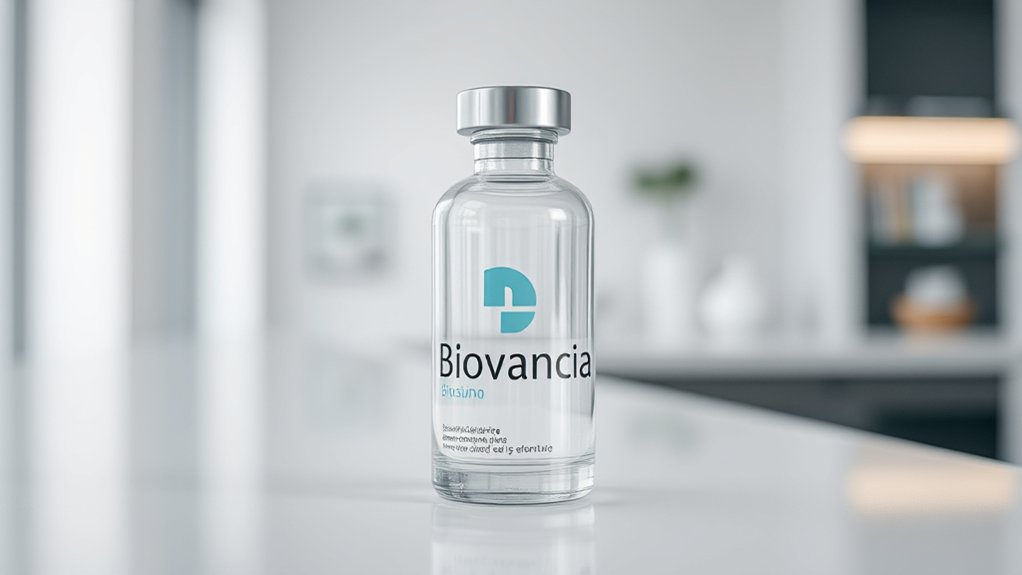
Biovancia positions Symbioflore 50 as a targeted probiotic intended to support gut health by delivering specific live microorganisms in a standardized dose. When you evaluate these claims, you should focus on what’s verifiable: the concept of probiotic effects depends on strain identity, viability, and dose consistency, not just “probiotic” labels. Biovancia also implies that improved gut functions may be relevant to prostate benefits indirectly, but evidence for direct prostate outcomes from this type of product isn’t established in the generic way marketing suggests. You can look for ingredient synergy, where complementary strains are selected to act through microbiome balance, barrier support, or anti-inflammatory pathways. Risk-wise, consider immune status, concurrent medications, and transient GI side effects before use.
What’s Inside Symbioflore 50 for Prostate Health
Symbioflore 50 is marketed as a probiotic, but for prostate-related claims what matters most is the exact mix of live strains, their labeled CFU dose at the end of shelf life, and whether the product specifies strain-level identities (e.g., genus/species/strain) and viability. You’ll want to check the Supplement Facts for each strain, because “probiotic” alone doesn’t tell you which ingredient benefits are plausible or whether probiotic synergy is engineered or just implied.
- Strain list with genus/species/strain, not just “bacteria blend”
- CFU count guaranteed at end of shelf life
- Viability/expiration testing language
- Backed-by-evidence lineage for prostate-relevant endpoints
- Any allergens, additives, or culturing agents to take into account
If details are vague, risk increases around inconsistent potency.
How Symbioflore 50 May Help With Urinary Comfort
If you’re evaluating Symbioflore 50 for prostate-related support, it’s worth looking at how a specific probiotic blend could affect urinary comfort—not just whether the label says “probiotic.” Some evidence suggests that gut microbiome balance can influence inflammation signaling and the gut–urogenital axis, which may indirectly affect urinary symptoms like frequency, urgency, or discomfort; however, improvements aren’t guaranteed and the effect tends to be strain- and dose-dependent. In practical terms, you may notice urinary relief if microbial metabolites and immune signaling shift in a favorable direction. The goal would be a comfort improvement rather than an immediate “fix.” Risk-wise, if you’re immunocompromised or have severe illness, talk to a clinician first.
Symbioflore 50’s Role in Inflammation and Gut Balance
Because gut microbes can influence inflammatory signaling, a targeted probiotic like Symbioflore 50 may help shift gut balance in ways that indirectly affect systemic inflammation. When you support your gut microbiome, you may see downstream markers move toward inflammation reduction, though effects vary by person and baseline health. Evidence from probiotic and microbiome research suggests plausible pathways: gut barrier support, altered microbial metabolites, and immune signaling modulation. Still, you’ll want to be cautious—probiotics aren’t universal anti-inflammatory agents, and rare side effects (like GI upset) can occur, especially if you’re immunocompromised or critically ill.
Targeted probiotics like Symbioflore 50 may support gut balance and indirectly reduce systemic inflammation, though results vary by person.
- Which metabolites may mediate inflammation reduction?
- How gut barrier integrity could change immune signaling
- What clinical data exist for similar strains
- Who might experience GI intolerance
- When to discuss use with a clinician
Who Should Consider Symbioflore 50 Supplements
If you’re looking at Symbioflore 50, it may be most relevant when you have a reason to target gut-related factors—such as antibiotic-associated diarrhea risk, recent gastrointestinal disturbances, or an interest in supporting microbiome resilience—rather than treating inflammation as a standalone condition. In that context, it may be considered alongside prostate health goals, because gut microbial balance can influence downstream immune signaling. Evidence for specific prostate health supplement benefits is still limited, so you should view it as an adjunct, not a substitute for medical care.
| Consider if… | Caution if… |
|---|---|
| You recently used antibiotics | You have severe GI disease |
| You get recurring upset stomach | You’re immunocompromised |
| You want microbiome support | You have probiotic intolerance |
| You’re optimizing prostate health routines | You’re on multiple interacting meds |
| You prefer risk-aware adjuncts | Symptoms are worsening |
How to Take Symbioflore 50 and When to Expect Results
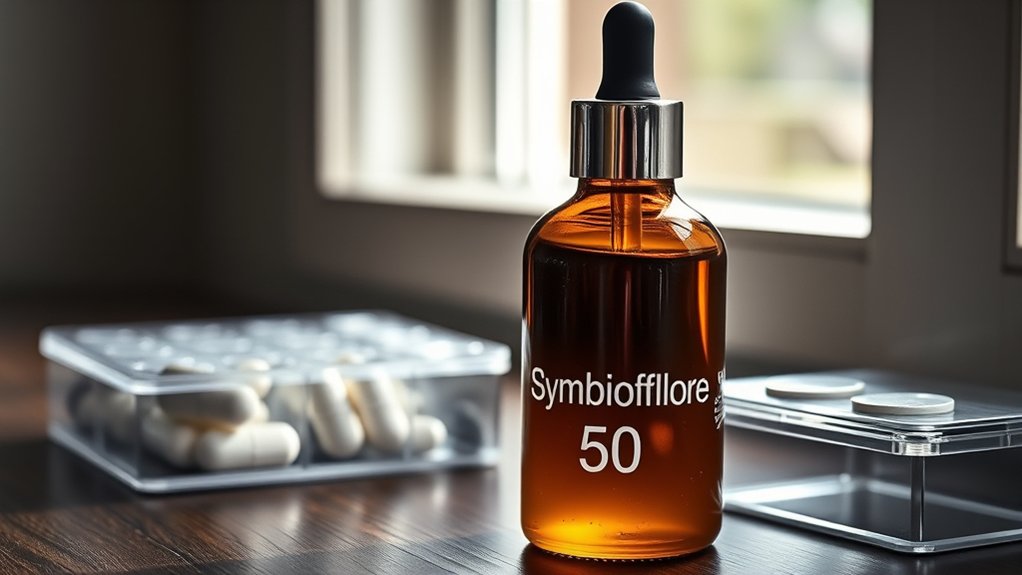
Symbioflore 50 is typically used as a gut-microbiome support approach, so once you’ve decided it fits your antibiotic-use history or GI comfort goals, the next step is timing and dosing. Follow the manufacturer’s dosage guidelines, and aim for ideal timing relative to meals and any antibiotics. If you’re on antibiotics, separate dosing by several hours unless your clinician advises otherwise; this helps reduce the chance that the drug and probiotic overlap.
Use Symbioflore 50 per label directions, timing doses around meals and separating from antibiotics by several hours when needed.
- Start low if you’re sensitive, then continue as directed
- Take with water; avoid hot drinks
- Keep a consistent daily schedule for microbiome stability
- Monitor for mild bloating; stop if severe reactions occur
- Reassess after a few weeks for symptom trends
Many users notice GI comfort changes in 2–4 weeks, while broader outcomes may take longer.
Symbioflore 50 Vs Other Prostate Supplements: How It Differs
When you compare Symbioflore 50 with other “prostate” supplements, the main difference is that Symbioflore 50 is designed to support the gut microbiome rather than deliver prostate-targeted compounds directly. In supplement comparisons, many products emphasize ingredients intended to act locally in the prostate or address androgen pathways, inflammation, or urinary symptoms. Symbioflore 50 instead leans on gut ecology—microbiome balance can influence systemic immune signaling and metabolic markers that may relate to prostate health, but the mechanism is indirect. You should still be risk-aware: if a product promises fast, prostate-specific effects, claims may not match biology. If you’re already using antibiotics or have immunocompromised status, it’s wise to check with your clinician, since microbiome-active approaches can interact with your baseline gut flora.
What Clinical Evidence Exists for Symbioflore 50 Ingredients
Clinical evidence for Symbioflore 50’s ingredients is best viewed through the research base for each component—mainly probiotics and prebiotic fibers—since the product itself may have limited, brand-specific trials. When you do ingredient analysis, you can compare listed strains and fibers to published clinical studies on gut microbiome support, which may indirectly influence prostate-related inflammation markers. Evidence is strongest when dosing, strain identity, and study endpoints closely match, because probiotic effects are strain-specific and can vary by formulation.
- Look for strain-level clinical studies, not generic “probiotic” claims
- Check matching prebiotic fiber types and doses
- Prioritize outcomes tied to inflammation or microbiome shifts
- Note study duration and population differences
- Treat extrapolation as hypothesis unless endpoints align
Common Side Effects and Tolerability With Symbioflore 50
When you start Symbioflore 50, you may experience mild digestive upset (like gas, bloating, or loose stools), which is commonly reported with probiotic use, though effects vary by person. Most users tolerate it reasonably well, but some may notice small tolerability differences, especially early in the course. If symptoms are severe or persist, you should stop and speak with a clinician to weigh the risk–benefit for your situation.
Digestive Upset Possibility
While many people tolerate Symbioflore 50 well, digestive upset is one of the more common side effects reported with probiotic use, especially during the first few days. If you have digestive sensitivity, you may notice mild bloating, gas, or looser stools as the gut adapts—these probiotic effects are usually transient.
- Start low and give it a few days to see how you respond
- Watch for persistent diarrhea, severe cramps, or fever
- Stay hydrated if your stools loosen
- Stop and contact a clinician if symptoms worsen or last >1 week
- Consider spacing doses if you’re prone to stomach upset
Most evidence suggests risk is generally low in healthy adults, but individual tolerability varies, especially early on.
Mild Tolerability Differences
Even if Symbioflore 50 is generally well tolerated, you might notice mild tolerability differences in the form of early, temporary digestive effects—like gas, bloating, or slightly looser stools—especially during the first several days as your gut adapts to added live cultures. In risk-aware terms, these effects are typically self-limited, but you should stop and seek advice if symptoms persist, worsen, or you have severe GI conditions. From an evidence-focused angle, variability matters: some users report no issues, while others note brief changes consistent with microbiome adjustment. In personal experiences and user testimonials, timing and intensity often correlate with early dosing, then improve as tolerance builds.
| You may notice | Usual timeframe | What to do |
|---|---|---|
| Gas | Days 1–7 | Keep hydrated |
| Bloating | Days 1–7 | Take with food |
| Looser stools | Days 1–10 | Monitor closely |
Interactions to Watch If You Take Symbioflore 50
If you’re taking Symbioflore 50, pay attention to how it might affect drug absorption and bioavailability, especially with medicines that rely on consistent gut uptake. You’ll also want to space it away from certain antibiotics, since timing can change whether the antibiotic suppresses the probiotic and reduces intended effects. If you use immunosuppressants, monitor closely for unexpected immune-related effects and discuss it with your clinician, because evidence on probiotic–immunomodulator interactions can be limited and risk varies.
Drug Absorption And Bioavailability
Symbioflore 50 can indirectly affect drug absorption because probiotics may change the gut environment—such as pH, bile acid handling, and transit time—though the evidence for clinically meaningful interactions varies by drug and study design. You should think regarding absorption rates and bioavailability factors rather than expecting dramatic, universal effects.
- Track medications with narrow therapeutic windows closely
- Watch for altered bile acid handling that could shift uptake
- Note changes in stool consistency that may influence transit time
- Consider drug solubility sensitivity to gut pH shifts
- Discuss timing changes with your clinician if effects seem plausible
In practice, many studies show modest or no changes, but inter-individual differences—plus underlying illness—can increase uncertainty. If you notice reduced efficacy or side effects, you should report them promptly.
Antibiotic Timing And Spacing
Because Symbioflore 50 can alter the gut environment in ways that affect absorption, it’s also worth thinking about antibiotic timing and spacing to reduce any chance of unintended changes in how either product behaves. In practice, you should separate Symbioflore 50 from antibiotics by a few hours, since antibiotics can reduce probiotic viability and potentially lower antibiotic efficacy. Check the specific antibiotic label and your clinician’s guidance, because dosing schedules vary and some agents are more likely to affect gut microbes. If you’re taking multiple drugs, keep spacing consistent and avoid starting Symbioflore 50 mid-course unless advised. Monitor for GI side effects and stick to the intended treatment duration, since stopping early can increase relapse risk and complicate how you interpret response.
Immunosuppressants And Immune Effects
When you’re taking immunosuppressants, it’s smart to think about how a probiotic like Symbioflore 50 could indirectly affect immune activity in the gut. Probiotics may support immune modulation by shaping mucosal signaling, but evidence is mixed and strain-specific. If you use immunosuppressive medications, your clinician may worry about safety in rare cases, especially if you’re severely immunocompromised, have central lines, or recent invasive procedures. So, watch for new infections, fevers, or GI changes, and don’t start or stop therapy without guidance. Consider staggering dosing and monitoring outcomes.
- Evidence varies by probiotic strain and dose
- Risk is higher with severe immunosuppression
- Track GI symptoms and infection signs
- Ask about timing with your immunosuppressive medications
- Report fever, chills, or worsening illness promptly
Choosing the Right Probiotic Dose for Prostate Support

Selecting the right probiotic dose for prostate support usually starts with matching the product’s documented dose to your tolerance and treatment goals. You should follow dosage guidelines on the label, since evidence varies by probiotic types, strain, and CFU count. Start low if you’ve had GI sensitivity, then titrate only if tolerated. If you’re immunocompromised or have central venous lines, discuss dosing with a clinician first, since rare infections have been reported. Consider timing: taking it consistently with food may reduce discomfort for some people. Use the table as a risk-aware starting framework, then reassess after several weeks.
| Scenario | Dose approach |
|---|---|
| GI sensitivity | start low, titrate |
| No issues | follow label |
| Antibiotic use | start after course |
| Ongoing therapy | maintain steady dose |
| Immunocompromised | clinician-guided |
How to Tell If Symbioflore 50 Is Working for You
To tell if Symbioflore 50 is working, you should track urinary symptom changes (frequency, urgency, flow) over a few weeks and note any meaningful trends. Each day, monitor digestive comfort (bloating, gas, stool consistency) and watch for side effects that don’t settle. Also pay attention to energy and inflammation-related signals (sleep quality, aches, soreness), and if symptoms worsen or new concerning issues show up, you should stop and consult a clinician.
Track Urinary Symptom Changes
If Symbioflore 50 is helping, you should be able to see measurable changes in your urinary symptoms over time rather than relying on guesswork. Use symptom tracking to compare your urinary patterns at baseline and after starting. Keep a log for at least 2–4 weeks, noting frequency, urgency, nighttime trips, weak stream, and any pain or burning. You can also rate overall bother daily, since small improvements may be gradual. Watch for red flags—worsening pain, fever, blood in urine, or sudden retention—and contact a clinician promptly.
- Record times of voids and volume estimates
- Track urgency severity (0–10) each day
- Note nocturia nights per week
- Log stream strength changes consistently
- Compare week-by-week trends, not single days
Monitor Digestive Comfort Daily
Digestive comfort is measurable, and you can assess whether Symbioflore 50 is helping by tracking consistent day-to-day changes. Keep a brief daily log of stool frequency, form, ease of passage, bloating, and abdominal discomfort. Look for stable improvements that persist for at least 2–4 weeks, which aligns with the time some probiotic benefits may require for effects on digestive balance. Note any changes in gas or urgency; mild, temporary shifts can occur, but worsening symptoms aren’t expected. If you develop severe diarrhea, blood in stool, fever, or dehydration, stop and seek medical advice. Also consider timing: take it consistently with meals or as directed, since variability can confound results.
Watch Energy And Inflammation Levels
Tracking more than stool comfort can help you judge whether Symbioflore 50 is actually shifting your internal balance. If you want to assess progress, watch for changes consistent with better energy management and inflammation tracking. Keep expectations modest: supplements may not change symptoms quickly, and other factors (sleep, diet, infections, meds) can confound results. Still, you can look for patterns over 2–8 weeks and consider stopping or contacting a clinician if you worsen.
- Daily energy rating at the same time
- Exercise recovery time and mental clarity
- Notes on joint discomfort or soreness
- Sleep depth and nighttime awakenings
- Any signs of allergic reaction or GI flare
Is Symbioflore 50 Worth It for Prostate Health Goals?
So, is Symbioflore 50 actually worth considering if you’re aiming to support prostate health? Symbioflore 50 is marketed for prostate benefits via microbiome-related effects, but you should weigh it against stronger clinical evidence for standard options. Look for quality controls, strain identity, and dosing clarity; without them, health comparisons become difficult. If you’re hoping to reduce urinary symptoms or inflammation, consider that probiotics can show mixed outcomes across studies, often depending on the specific strains and endpoints measured. For risk-awareness, check for sensitivities, immune compromise, or recent infections—any supplement still carries potential side effects like GI discomfort. If you take anticoagulants or immunosuppressants, ask your clinician before starting. A trial may be reasonable, but expectations should stay evidence-based.
Common Questions
Is Symbioflore 50 Suitable for Long-Term Daily Use?
Yes, it may be suitable for long-term daily use, but only if it agrees with you and your clinician says it’s appropriate. Evidence on specific probiotic strains for long term benefits varies, so don’t assume benefit is guaranteed. Follow the product’s daily dosage exactly, avoid exceeding it, and monitor for GI side effects like gas or bloating. If you’re immunocompromised, pregnant, or have serious illness, check first.
Can Symbioflore 50 Replace Prostatitis or BPH Medications?
Yes, you shouldn’t expect Symbioflore 50 to replace prostatitis or BPH medications. Imagine your urinary tract like a busy highway: if inflammation or obstruction is present, probiotics alone likely can’t reroute fast enough. Evidence for prostate supplements as stand-alone treatment is limited and outcomes vary. If you have symptoms, risk flags (fever, severe pain, retention), or an existing diagnosis, you should talk to a clinician before relying on natural alternatives.
What’s the Best Time of Day to Take Symbioflore 50?
The best time to take Symbioflore 50 is with your morning routine, ideally with food, to support ideal absorption. Many probiotic products tolerate a consistent daily schedule, and morning use may improve adherence. Evidence varies by strain and formulation, so follow the label directions and any clinician guidance. Avoid taking it alongside antibiotics unless spaced by several hours. If you’re immunocompromised or have severe illness, ask your doctor first.
Does Symbioflore 50 Work for Men With Constipation or IBS?
It might help, but evidence for constipation or IBS is limited. Symbioflore 50 is mainly aimed at prostate health and digestive support, so you may see benefit if your symptoms involve gut microbiome imbalance. Some probiotics can improve stool consistency and gas, but responses vary. If you have IBS with severe flare-ups, blood in stool, weight loss, or persistent pain, don’t self-treat—talk to a clinician first, like a pilot checking instruments before takeoff.
Is Symbioflore 50 Safe During Pregnancy or Breastfeeding?
Symbioflore 50 is likely safe for many people during pregnancy or breastfeeding, but evidence is limited, so you should treat it as a “risk-aware” choice. Your safety concerns mainly relate to ingredient analysis: verify every strain’s dosing, excipients, and any probiotic-specific contraindications. If you have immunocompromise or severe illness, avoid without clinician guidance. Check with your OB/midwife, especially if you’re taking immunosuppressants or have a history of preterm labor.
Overall
Think of Symbioflore 50 like a “seed packet” for your gut garden: if you plant it with a steady dose and give it time—often about 2–8 weeks—it may gently support urinary comfort by helping promote a healthier balance in the gut and inflammation-related pathways. Because evidence for prostate outcomes is indirect, it’s best to approach it as a supportive routine rather than an instant fix.
Take action now: start with the recommended dose, stay well hydrated, and track your symptoms (frequency, urgency, and discomfort) so you can clearly see how your body responds over the next few weeks. If you’re immunosuppressed, have a complex medical history, or take medications that may interact, check with a clinician before beginning—then commit to consistent use long enough to evaluate the benefits for you.