
If you’re dealing with symptoms like waking up more often at night, weak urine flow, or a constant sense that your bladder isn’t fully emptied, it’s easy to start searching for a prostate supplement that promises relief. Products such as Prosta Peak are marketed to support “healthy prostate function,” often linking comfort to inflammation, aging processes, and hormone-related pathways. But when it comes to prostate health, not all supplements are backed by the same level of proof—so it’s smart to look beyond bold claims and focus on what’s actually in the formula and how it’s been evaluated.
In this Prosta Peak review, we’ll take a closer, evidence-focused look at whether the ingredients and recommended dosing are presented clearly enough to matter—and whether there’s credible support for improving urinary comfort. You’ll also learn what to watch for in terms of quality standards, including transparency and any third-party testing details that can affect how reliably the product performs for real users.
Great Points
- Review the label for standardized, clearly dosed botanicals versus proprietary blends that hinder evidence and dose assessment.
- Confirm ingredient sourcing, extract type, and lot-specific COAs, including identity, purity, and potency testing.
- Look for third-party contaminant screening and stability checks to ensure consistent potency and safety.
- Evaluate clinical evidence quality: randomized, placebo-controlled human trials with meaningful prostate/LUTS endpoints and adequate duration.
- Note side-effect risk and interactions, especially with anticoagulants, antiplatelets, or antihypertensives, plus allergy sensitivity concerns.
Prosta Peak Ingredients: What’s Actually Inside?

What’s actually inside Prosta Peak? To evaluate it clinically, you should examine the supplement label for each active botanical and any standardized extract amounts. Evidence from peer-reviewed herbal research emphasizes that ingredient sourcing matters: quality control, cultivation conditions, and contaminant testing (heavy metals, microbes, adulterants) influence real-world efficacy and safety. Next, focus on herbal combinations and whether they’re supported by human trials rather than only preclinical models. If the product uses proprietary blends, you can’t assess dose adequacy, which weakens clinical interpretability. Look for disclosures of extract type, standardized markers, and third-party testing. Without transparent ingredient sourcing and clearly defined herbal combinations, you can’t determine whether the formula matches studied therapeutic exposures.
How Prosta Peak Aims to Support Prostate Function
Prosta Peak is designed to support prostate function by targeting common age-related pathways associated with lower urinary tract symptoms, including inflammation modulation, antioxidant effects, and androgen-related signaling. As you evaluate prostate health, you should focus on whether its formula aligns with mechanisms described in clinical and preclinical literature, rather than on marketing language. Inflammation modulation is relevant because chronic low-grade prostatic inflammation can worsen LUTS; antioxidant activity may help reduce oxidative stress that contributes to tissue dysfunction. Additionally, androgen-related signaling is important since shifts in androgen dynamics can influence prostate growth and symptom risk. Your assessment of supplement efficacy should consider how these mechanistic targets match each ingredient’s documented bioactivity, dosing rationale, and evidence quality from peer-reviewed studies.
Does Prosta Peak Show Evidence Beyond Marketing Claims?
You should assess whether Prosta Peak’s reported benefits are supported by clinical studies with adequate sample sizes, appropriate controls, and transparent reporting. Compare what the ingredient claims promise against peer-reviewed evidence for those specific compounds at relevant doses, rather than relying on extrapolations. If the available data are limited, methodologically weak, or not specific to the product formula, you can’t conclude efficacy beyond marketing claims.
Clinical Evidence And Study Quality
Evidence for Prosta Peak should be assessed by the underlying clinical data, including study design, sample size, comparators, and outcome definitions—not by label language or benefits implied in marketing. When you look for clinical trials, you should check whether participants had comparable baseline prostate symptoms, whether interventions matched the marketed formula, and whether outcomes used validated endpoints (e.g., IPSS) with predefined thresholds. Many supplements show study limitations such as small cohorts, short follow-up, and inconsistent control groups, which can overestimate benefit and limit generalizability. Peer-reviewed evidence should also report adherence, adverse events, and statistical methods transparently.
- Randomization and blinding quality
- Adequate sample size and power
- Comparator type (placebo vs active)
- Outcome definitions and follow-up duration
Ingredient Claims Versus Research
Although Prosta Peak may make ingredient-specific promises, the clinical question is whether any human data supports those claims beyond what marketing language implies. You should scrutinize each listed “active” ingredient for ingredient efficacy demonstrated in randomized trials, not only rodent studies, in vitro findings, or extrapolations from adjacent conditions. Peer-reviewed human evidence matters because prostate symptoms and markers (e.g., PSA, IPSS) vary by baseline risk, dosage, and duration. If the product doesn’t provide trial designs, endpoints, and statistical outcomes for its exact formulation, you’re likely facing research gaps rather than substantiated benefit. Look for independent replication, standardized extracts, and clear safety data. Otherwise, the claims remain plausible hypotheses, not evidence-based therapy.
Prosta Peak Quality Checks: Testing, Sourcing, and Potency
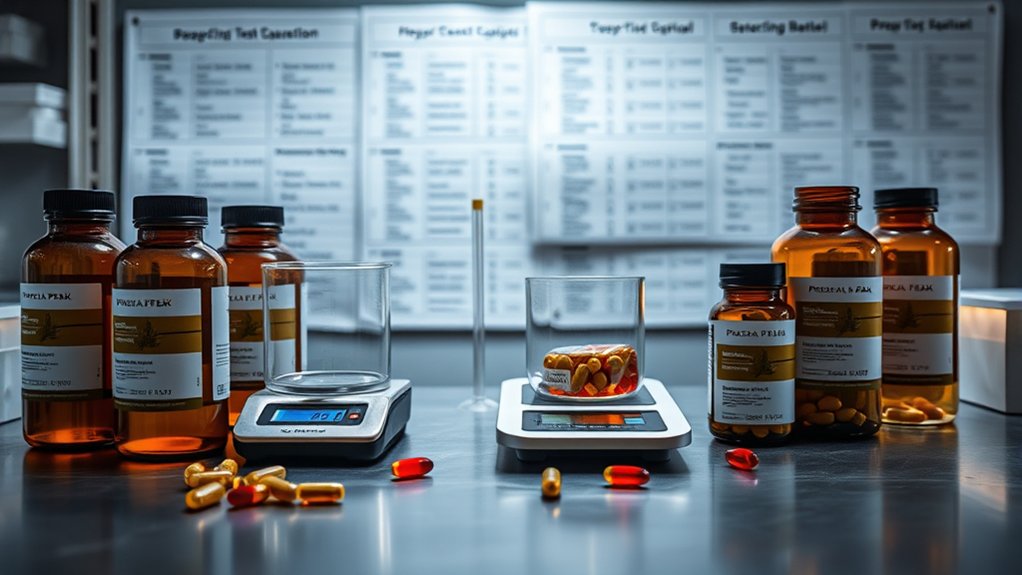
A robust quality program for Prosta Peak starts with predefined specifications for identity, purity, and potency, then verifies them through routine third-party and in-house testing. You should expect documented sourcing standards that trace raw materials to approved suppliers, with batch records and COAs. During manufacturing, you can look for identity confirmation (e.g., chromatographic profiling) and contaminants screening aligned with peer-reviewed analytical methods. Potency verification should use validated assays, ensuring label-claimed actives fall within predefined acceptance ranges.
- Raw material COA review and lot traceability
- Third-party lab testing for heavy metals, microbes, and solvents
- Validated analytical methods for identity and adulterants
- Stability checks to confirm potency retention
When results meet specifications, you can have higher confidence in consistency across batches.
Potential Benefits for Urinary Symptoms and Comfort
If you struggle with urinary urgency, frequency, or discomfort, Prosta Peak may help by supporting normal urinary tract function and prostate health—pathways that are commonly targeted in clinical supplements aimed at symptom relief. In peer-reviewed trials of botanicals and adjuncts used for lower urinary tract symptoms, improvements often relate to smooth muscle relaxation, modulation of inflammatory signaling, and antioxidant effects that can reduce bladder/prostatic stress. By targeting these mechanisms, Prosta Peak is proposed to support urinary relief and comfort enhancement, particularly when symptoms fluctuate and are linked to benign prostate enlargement. You may notice fewer urge episodes, improved flow, and less nighttime interruption, though response varies by baseline severity. Use it as part of a broader symptom-management plan, emphasizing hydration, voiding habits, and monitoring outcomes over time.
Possible Side Effects and Who Should Avoid Prosta Peak
Prosta Peak is generally well-tolerated in supplement use, but side effects can still occur—especially in people with sensitivities to plant-based ingredients or overlapping medication risks. In clinical practice, you should watch for mild gastrointestinal upset (e.g., nausea or diarrhea), headache, dizziness, or allergic-type reactions such as rash. These effects are usually dose-related, but individual tolerability varies across trials of comparable botanicals.
Prosta Peak is generally well-tolerated, but some users may experience mild GI upset, headache, dizziness, or rash.
- Allergy risk if you have known reactions to herbal extracts
- Potential interactions with anticoagulants, antiplatelets, or antihypertensives
- Prostate or hormone sensitivity if you’re using hormonal therapies
- Avoidance if you’re pregnant or breastfeeding, due to limited safety data
If you develop persistent symptoms or bleeding/bruising, stop and contact your clinician.
How to Evaluate Prostate Supplements Like Prosta Peak
When you evaluate Prosta Peak–type prostate supplements, first check for ingredient transparency—complete formulas, sourcing, and third-party testing. Next, verify the dosage and standardization so you can confirm what you’re actually taking and whether the active compounds match labeled amounts. Finally, assess the evidence behind the product claims using peer-reviewed clinical data, and be wary of exaggerated conclusions that aren’t supported by randomized trials.
Check Ingredient Transparency
Ingredient transparency matters because it determines whether you can verify a prostate supplement’s identity, dosing, and evidence base. When you review Prosta Peak–type products, demand clear ingredient sourcing and label accuracy, ideally matching the exact botanical or extract species, parts used, and standardized markers named in peer-reviewed studies. Look for third-party certifications, manufacturing location, and batch/lot reporting that support traceability and reduce contamination risk. If the label uses vague terms (“proprietary blend”) or omits extraction solvents and concentrations, you can’t assess reproducibility—an essential requirement for clinical evidence.
- Confirm ingredient identity (species, form, extract type)
- Check label accuracy vs published trials
- Assess traceability: sourcing, lot, COAs
- Watch for missing allergens/adulterant disclosures
Verify Dosage And Standardization
Start by verifying whether the label provides a clinically plausible, therapeutically relevant dosage for each active prostate-related ingredient, and whether that dose matches what’s been studied in peer-reviewed human trials. You should check dosage accuracy by comparing mg-per-serving amounts to trial dosing ranges, not proprietary “blends.” Next, confirm standardization methods: look for standardized extracts (e.g., percent active markers) verified by third-party labs. If the label omits marker specs, you can’t judge batch-to-batch consistency or real bioactivity.
| Label detail | What to look for |
|---|---|
| Dose stated per ingredient | mg consistent with human studies |
| Dosage form/extract type | standardized extract, not raw plant |
| Blend size transparency | no hidden amounts inside matrices |
Assess Evidence And Claims
To assess evidence and claims for prostate supplements like Prosta Peak, you should treat the label as a set of testable hypotheses and look for support from peer-reviewed human clinical trials—not just in vitro studies or mechanistic “may help” statements. When evaluating prostate health and supplement efficacy, confirm trial design, endpoints, and whether outcomes were clinically meaningful (e.g., validated symptom scores). Check for randomized, placebo-controlled data, adequate duration, and sufficient sample size; short studies can overestimate benefits. Also verify that results were not driven by biased reporting or selective subgroup claims. Finally, compare consistency across independent studies and consider baseline severity, concomitant therapies, and safety signals.
- Use validated clinical endpoints and adverse event reporting
- Prefer dose–response evidence tied to standardized ingredients
- Watch for conflicts of interest and funding bias
- Demand reproducible findings in humans
Red Flags: Hidden Blends, Weak Dosages, and No Third-Party Testing
When you’re evaluating Prosta Peak, hidden blends, underdosed actives, and the absence of third-party testing are key red flags because they undermine label validity and dosing reliability. You should be alert to hidden ingredients and hidden blends: these can obscure which compounds drive claimed effects, limiting your ability to assess evidence from randomized trials. Next, watch for dosage concerns—“proprietary blends” often prevent you from knowing each active’s milligram amount, making underdosing plausible. Finally, without third-party testing (e.g., USP verification or independent contaminant assays), you can’t confirm identity, purity, or potency, which matters given risk of adulteration and batch variability noted in regulatory literature.
| Red flag | Why it matters | What you should demand |
|---|---|---|
| Hidden blend | obscures actives | full mg disclosure |
| Weak dosage | ineffective exposure | dose rationale, PK data |
| No third-party testing | uncertain potency/purity | independent COAs |
Prosta Peak Review: Customer Feedback and Common Themes
Although you’ll find mixed testimonials for Prosta Peak across retailer sites and supplement forums, the most common customer feedback clusters around a few recurring themes that map to measurable issues: perceived symptom relief, changes in urinary or prostate-related comfort, and variable satisfaction tied to how consistently people follow the dosing schedule.
You should interpret these customer experiences cautiously: placebo effects, regression to the mean, and selection bias can inflate reports of benefit. Still, recurring issues include timing (day-to-day variability), adherence challenges, and expectations about rapid onset, which mirrors broader evidence on supplements’ inconsistent clinical endpoints.
- Symptom changes tracked as “better flow” or less urgency
- Comfort shifts (pelvic pressure) reported within weeks
- Adherence-related variability correlates with lower satisfaction
- Side effects are uncommon but occasionally noted as GI upset
Alternatives to Prosta Peak for Prostate Health Support
If you’re looking for alternatives to Prosta Peak for prostate health support, you’ll generally want options with a clearer evidence base for specific symptom targets—such as lower urinary tract symptoms (LUTS)—rather than broad claims. For evidence-informed management, consider lifestyle and dietary adjustments: limiting evening fluids, reducing caffeine/alcohol, and maintaining a healthy weight may lessen urinary frequency and urgency. Natural remedies with moderate evidence include saw palmetto, with mixed trial results, and standardized extracts of beta-sitosterol for some men. For LUTS suspected due to benign prostatic hyperplasia, discuss guideline-based options with a clinician, including alpha-1 blockers and 5-alpha-reductase inhibitors when appropriate. Randomized controlled data and systematic reviews should guide your choices, not marketing claims.
Common Questions
Is Prosta Peak Safe for People Taking Prescription Blood Thinners?
Prosta Peak isn’t proven safe for people taking prescription blood thinners, due to potential blood thinner interactions. As an evidence-based precaution, check with your clinician before starting, especially if you take warfarin, apixaban, rivaroxaban, or clopidogrel. Some supplements may affect platelet function or coagulation, posing bleeding risk. Look for peer-reviewed ingredient data and monitor for bruising, bleeding, and prostate health concerns if you have BPH or related symptoms.
How Long Until Prosta Peak May Show Noticeable Urinary or Prostate Changes?
You’ll likely notice urinary symptoms improvements within 2–6 weeks, with maximal effects by 8–12 weeks, though individual responses vary. In clinical terms, any changes should be gradual and modest, aligning with how saw-palmetto–type phytotherapeutics improve lower urinary tract symptoms. Track prostate health using validated scores (e.g., IPSS) and symptom diaries; if worsening occurs, stop and seek care—because “patience is power,” not a guarantee.
Does Prosta Peak Interact With Saw Palmetto, Lycopene, or Other Prostate Supplements?
Yes—likely no clinically meaningful Prosta Peak interactions are known with saw palmetto, lycopene, or common prostate supplements. However, evidence is limited: most studies assess single ingredients, not specific combinations. You should treat this as supplement compatibility uncertainty, especially if you take anticoagulants, hormone therapies, or have BPH-related meds. Start with one change at a time, monitor urinary symptoms, and talk to your clinician or pharmacist for personalized safety.
Can I Take Prosta Peak Alongside Testosterone Therapy or Prostate Medications?
Yes—you can often take Prosta Peak alongside testosterone therapy or common prostate medications, but you should confirm with your clinician first. For testosterone interactions, the main concern is overall hormone balance, not direct androgen suppression. For medication safety, check for additive blood-flow, diuretic, or anti-inflammatory effects from its herbal ingredients, especially if you use alpha-blockers or 5-alpha-reductase inhibitors. Don’t combine without monitoring labs, essential signs, and side effects.
Is Prosta Peak Gluten-Free, Soy-Free, and Free From Common Allergens?
Yes—Prosta Peak may be gluten-free and soy-free, but you’ll need to verify by checking the official label and current COA for exact allergen statements. Evidence-based reviews rely on ingredient sourcing documentation, not marketing claims. Look for “gluten-free,” “no soy,” and absence of common allergens (e.g., milk, egg, fish, shellfish, wheat, tree nuts, peanuts). For dietary considerations and safety, confirm batch-specific sourcing and cross-contamination warnings.
Overall
You can’t fully verify Prosta Peak’s claims without transparent, evidence-based dosing and clear ingredient standardization. While it’s marketed to support age-related prostate pathways and inflammation, “proprietary blends” and limited publicly available potency data make it difficult to confirm the causal link to improved urinary health. Use this as a call to action: before you buy or start any product, look for peer-reviewed evidence for the specific ingredients at meaningful doses, independent third-party testing (for purity and label accuracy), and consistent, clinically meaningful outcomes for urinary symptoms.
If you can’t find those details, treat the benefits as unproven and consider potential downsides—such as GI upset, interactions, or delaying proper care. Talk with a clinician to review your prostate and urinary risk factors, medication list, and any symptoms you’re experiencing, and ask specifically what evidence supports the product’s approach for your situation. The right next step is verification, not assumptions—then make an informed decision.
One thought on “Prosta Peak Review: Does It Support Healthy Prostate Function?”