
If you’re thinking about trying PotentVital for everyday wellness, it makes sense to pause and look beyond the marketing. The real question is whether the formula’s ingredients—especially stimulants like caffeine and calming pairings such as L-theanine—actually align with what research supports for energy, focus, and stress resilience. In this review, we’ll break down what’s inside PotentVital, how each ingredient may work in the body, and what you can realistically expect when using it consistently.
We’ll also cover the details that matter before you buy or start a routine: common side effects (including possible headaches or mild digestive discomfort for sensitive users), important dosing and timing considerations, and potential interactions with medications or other supplements. By the end, you should have a clearer sense of whether PotentVital is a smart fit for your goals—or a “pass” for your specific health needs.
Great Points
- PotentVital is marketed for overall wellness, with benefits often reported within 2–4 weeks and clearer patterns by 6–12 weeks.
- The review highlights ingredient transparency as crucial, especially exact per-serving amounts versus proprietary blends.
- Listed ingredients may support hydration, alertness, and calmness, using electrolytes, caffeine, and L-theanine mechanisms.
- Potential side effects include mild GI upset or headaches, with sensitivity and interactions influencing risk.
- Safety guidance advises consulting clinicians for pregnancy, nursing, heart/kidney conditions, or prescription medication use.
What PotentVital Claims to Do for Wellness

PotentVital is marketed as a wellness product designed to support overall health, but you should look at what those claims actually mean in practical, clinical terms before deciding it’s right for you. When you review PotentVital’s promises, translate them into measurable outcomes aligned with your wellness goals—such as perceived energy, stress tolerance, or general wellbeing. Be cautious with broad statements like “supports metabolism” or “balances systems,” since they’re often not tied to specific endpoints, study duration, or population. In a clinical, evidence-based frame, a holistic approach should involve lifestyle factors—sleep, nutrition, activity, and mental health—because supplements can’t replace underlying causes. If you have conditions or meds, discuss potential risks and realistic expectations with your clinician.
PotentVital Ingredients List and Dosage Breakdown
Understanding what you’re actually ingesting starts with PotentVital’s ingredients list and how much of each component is included per serving, because “proprietary blends” can make it hard to verify clinically relevant doses. For evidence-based dosage recommendations, you should look for exact milligram amounts, standardized extracts, and whether serving size matches the label’s instructions. Review ingredient sourcing details too—reputable suppliers and third-party testing reduce variability and contamination risk. Pay attention to any nutrients or botanicals with known dose-response relationships; if the label lists only totals without per-ingredient quantities, you can’t reliably assess clinical alignment. If you have conditions, take medications, or are pregnant, confirm the stated doses with your clinician, since cumulative effects may occur across supplements.
How Each PotentVital Ingredient May Work
With caffeine, you may see faster alertness and a temporary energy boost by blocking adenosine signaling, though timing and sensitivity matter. L-theanine may help counterbalance caffeine’s potential jitters by promoting calming effects without strongly reducing performance. Added electrolytes can support hydration by helping maintain fluid balance, which may improve exercise tolerance and reduce the odds of feeling “washed out,” especially when you sweat.
How Caffeine Boosts Energy
Caffeine boosts your energy mainly by blocking adenosine receptors, which normally promote sleepiness and slow down neuronal activity. As a result, you may feel more alert and responsive because certain neural pathways regain their firing rate. In a clinical lens, this is the central mechanism behind caffeine’s stimulatory effect across common caffeine sources.
- You can expect a quicker onset, but individual timing varies with dose and prior caffeine intake.
- Your perceived Energy duration typically tracks caffeine’s pharmacokinetics; levels rise, then gradually fall as the compound is metabolized.
- Food, hydration, and metabolism can influence how strongly and how long you feel the boost.
If you’re sensitive, you may experience jitteriness or palpitations, so dosing and timing matter for safety.
How L-Theanine Supports Calm
L-theanine is a well-studied amino acid in green tea that’s thought to support calm by modulating brain signaling involved in stress and attention. If you’re prone to jittery focus, this ingredient may help you achieve L theanine relaxation without sedation. Clinically, it’s been investigated for effects on neurotransmitter balance, including pathways linked to glutamate and GABA, which are central to how your brain regulates arousal. You may also notice stress reduction as the ratio of “alertness” to “overactivation” shifts, making it easier to stay steady during demanding tasks. Evidence suggests benefits are most relevant when stress, tension, or cognitive load is already present, rather than replacing sleep.
How Electrolytes Promote Hydration
Electrolytes help you stay hydrated by supporting your body’s ability to retain and utilize water rather than just “adding fluids.” Sodium, potassium, and magnesium work together to maintain osmotic balance and proper nerve and muscle function, which means your cells can uptake water more effectively—especially after sweating or during periods of fluid loss. When you maintain electrolyte balance, you help stabilize plasma osmolality, reduce excess urinary losses, and support fluid retention where it’s needed for cardiovascular and sweat-driven demands. This can translate to clearer Hydration benefits, steadier neuromuscular signaling, and improved recovery comfort, supporting performance enhancement during exercise or heat exposure.
- Sodium supports fluid distribution and thirst regulation
- Potassium helps intracellular water handling and muscle function
- Magnesium supports enzyme activity and electrolyte balance
Top Potential Benefits of PotentVital for Daily Support
| Outcome | Likely support mechanism | What you can monitor |
|---|---|---|
| Hydration | Electrolyte balance | Thirst, urine color |
| Nutrient absorption | Micronutrient support | Dietary consistency |
| Mental clarity | Stable physiology | Focus, fatigue |
| Stress reduction | Reduced strain | Tension, sleep |
| Overall wellness | Balanced daily inputs | Energy steadiness |
Does PotentVital Help Energy, Focus, or Mood?
If you’re looking for help with energy, focus, or mood, PotentVital’s formula features energy-boosting ingredients and blends commonly used for focus and mood support. Based on typical ingredient roles and clinical literature on similar botanicals and nutrients, you may notice benefits when your body is supported during periods of fatigue or stress. Let’s evaluate how these components might affect your day-to-day energy, concentration, and mood, and what outcomes you can realistically expect.
Energy Boosting Ingredients
Energy-related effects from supplements usually come down to specific bioactive ingredients that influence either stimulant pathways (e.g., adenosine signaling), neurotransmitter availability (e.g., dopamine/norepinephrine), or perceived fatigue via metabolic support. If PotentEnergy includes natural stimulants like caffeine or green tea extract, you may experience faster energy enhancement and improved performance optimization, especially when timed around activity. Ingredient synergy matters: balanced inclusion can support sustained energy without overly spiking and crashing. Clinically, look for dose transparency and evidence that these components bolster recovery support and nutritional balance by improving cellular energy turnover (e.g., B-vitamins, CoQ10, or creatine-related pathways).
- Natural stimulants for quicker perceived fatigue reduction
- Metabolic cofactors for more consistent energy enhancement
- Ingredient synergy supporting sustained energy and performance optimization
Focus And Mood Support
Beyond the ingredients that support physical energy, PotentVital’s focus and mood profile matters because attention and perceived well-being are tightly linked to neurotransmitter signaling, stress response, and mental energy utilization. If you’re considering PotentVital, you should evaluate whether it helps you sustain attention using focus techniques (consistent timing, reduced perceived fatigue, and calmer cognitive load). Clinically, ingredients that influence catecholamine and serotonin pathways may support mood stability and task engagement, especially during stress. You may notice more reliable “mental throughput” after daily use, rather than rapid stimulant spikes. Still, individual responses vary based on sleep, baseline anxiety, and caffeine sensitivity. For mood boosters, monitor for improved resilience and less irritability, while watching for side effects like jitteriness or GI upset.
Can PotentVital Support Immune and Inflammation Balance?

How well can PotentVital support the immune system’s tight balance between effective defense and excessive inflammation? If you’re seeking immune support, the goal isn’t blunt suppression—it’s helping modulate immune signaling so you can maintain responsiveness while supporting inflammation reduction. Many immune pathways involve oxidative stress and cytokine regulation; products like PotentVital may aim to complement your baseline defenses with bioactive compounds that influence these mechanisms. Evidence from nutrition and immunology research suggests certain nutrients and phytochemicals can support markers of immune activity and inflammatory tone, but responses vary by diet, sleep, stress, and existing conditions.
PotentVital aims to help modulate immune signaling—supporting defense while easing excessive inflammation through oxidative-stress and cytokine balance.
- Targets inflammatory mediators linked to immune signaling
- May support oxidative-stress balance that affects inflammation reduction
- Designed for daily support, not rapid treatment
What Customers Report About Results and Timelines
Many people who try PotentVital share timelines that align with how immune and inflammation support is typically expected to work—gradual, not immediate. In customer testimonials, you’ll often see improvements in how you feel day-to-day, such as less “on-edge” inflammation, better tolerance of routine activity, or fewer days of feeling run-down. Many user experiences describe noticing subtle changes within 2–4 weeks, with more consistent patterns by 6–12 weeks. From a clinical perspective, this matches expected kinetics for supportive modulation, where symptom perception may shift before measurable downstream markers stabilize. You’re also more likely to report progress when you take it consistently and pair it with sleep, stress management, and steady nutrition.
Common Side Effects of PotentVital to Watch
When you start PotentVital, it’s important to monitor how your body responds, since most side effects—if they occur—tend to be mild and related to individual tolerance rather than serious safety concerns. You may notice digestive discomfort (e.g., nausea or stomach upset), or headache triggers in sensitive individuals. Pay attention to dosage sensitivity, because dose changes can affect symptom likelihood. Watch for allergic reactions such as rash, itching, or swelling, and stop use if these appear. Also review interaction risks with other meds or supplements, since co-use may alter effects.
Monitor PotentVital responses closely—mild digestive or headache effects may occur; adjust dosage, watch for allergies, and review medication interactions.
- Track any digestive discomfort and timing.
- Note headache triggers and patterns in user testimonials.
- Reassess ingredient sourcing, dosage sensitivity, and long term effects concerns.
Who Should Avoid PotentVital or Ask a Doctor First?
You should avoid PotentVital or talk to a clinician first if you’re pregnant or nursing, since safety data may be limited. If you take prescription medications—or have existing heart or kidney issues—you should not start without medical guidance due to potential interactions and higher risk for complications. A targeted medication and health review can help determine whether PotentVital is appropriate for you.
Pregnant Or Nursing Users
If you’re pregnant or nursing, it’s important to be cautious with PotentVital because data on safety for these groups is limited or unavailable. Because fetal and infant exposure can occur through placental transfer or breast milk, you should treat this as a risk-benefit decision rather than routine supplementation. Before using, discuss your specific ingredients with your OB-GYN or pediatric clinician and follow safety precautions, including reviewing label components and timing doses.
- Check for stimulatory or hormone-modulating compounds that may affect pregnancy or milk production
- Ask whether any ingredient could interact with prenatal vitamins or existing postpartum care
- Consider alternative supplements with stronger human data, such as verified omega-3 or iron when indicated
If you feel symptoms like abdominal pain or unusual infant feeding changes, stop and seek medical advice promptly.
Taking Prescription Medications
Taking prescription medications can greatly change PotentVital’s risk profile, since interactions may alter effectiveness or increase side effects. If you’re taking any prescription drug—especially anticoagulants, antidepressants, antihypertensives, or seizure meds—you should consult your clinician before using PotentVital to support prescription safety. Evidence shows that medication interactions can change drug levels via shared metabolic pathways, transporters, or additive pharmacologic effects. You’ll want to review your full medication list, including “as needed” prescriptions, with a pharmacist or prescriber, and ask about potential interaction signs. Avoid starting or stopping prescriptions on your own. If you’ve had prior adverse drug reactions, tell your provider. When symptoms occur (new dizziness, palpitations, unusual bleeding, severe headache), stop and seek medical advice promptly.
Existing Heart Or Kidney Issues
Existing heart or kidney conditions can meaningfully change PotentEssential’s risk profile, especially if dosing or tolerability depends on cardiovascular and renal function. If you have heart health concerns (e.g., arrhythmias, heart failure, uncontrolled blood pressure), or reduced kidney function (CKD, prior kidney injury), you should ask your clinician first before using it. Effects that alter fluid balance, blood pressure, or metabolic stress can be riskier when reserve is limited, and monitoring may be needed to avoid worsening symptoms or lab abnormalities. Stop and seek care if you notice chest pain, severe shortness of breath, swelling, fainting, or marked changes in urination.
- Review interactions with your meds (especially diuretics, ACE inhibitors, antiarrhythmics).
- Check baseline labs and ongoing kidney function tests.
- Use closer essential-sign monitoring if your heart health is unstable.
Potential Interactions With Medications and Other Supplements
When you’re considering PotentVital, it’s important to think about how it could interact with prescription drugs and other supplements, because some ingredients can affect absorption, metabolism, or blood levels. Before starting, check drug interactions and supplement compatibility with your clinician or pharmacist, especially if you take anticoagulants/antiplatelets, antihypertensives, glucose-lowering agents, thyroid medications, or diuretics. Some botanicals and antioxidants can inhibit or induce cytochrome P450 enzymes, potentially altering drug exposure. High-potency minerals may also bind medications in the gut, reducing absorption. If you use omega-3s, magnesium, iron, or multivitamins, spacing doses may improve compatibility, but don’t change prescriptions without guidance. Stop and seek care if you notice easy bruising, palpitations, dizziness, or unusual glucose changes.
How to Take PotentVital for Best Results
- Take PotentVital at the same time daily to support steady nutrient exposure.
- Pair it with food or water as directed to improve tolerance and adherence.
- Track how you feel and any side effects for the first 1–2 weeks, then adjust only with clinician input.
If symptoms worsen or you develop unexpected reactions, stop use and contact your healthcare provider promptly.
What to Look for in Quality, Sourcing, and Labeling
Choosing a quality supplement is central to safety and the likelihood you’ll get the intended nutrient profile, so you should evaluate PotentVital’s ingredients, sourcing, and labeling before you start. Focus on ingredient sourcing from reputable suppliers with ethical sourcing practices and clear raw-material origins. Next, check labeling standards: look for accurate dosages, clinically plausible forms, and full excipient disclosure, including allergen statements and expiration dates. Evidence-based quality assurance means testing for identity, potency, and contaminants, and ensuring consistent batches through documented manufacturing processes. Also look for product certifications (e.g., third-party verification) that support quality assurance claims. Finally, prioritize transparency practices—traceable ingredients, published methods when available, and responsive customer support—so you can assess risk and fit confidently with your care goals.
PotentVital vs Alternatives: When It’s the Better Choice
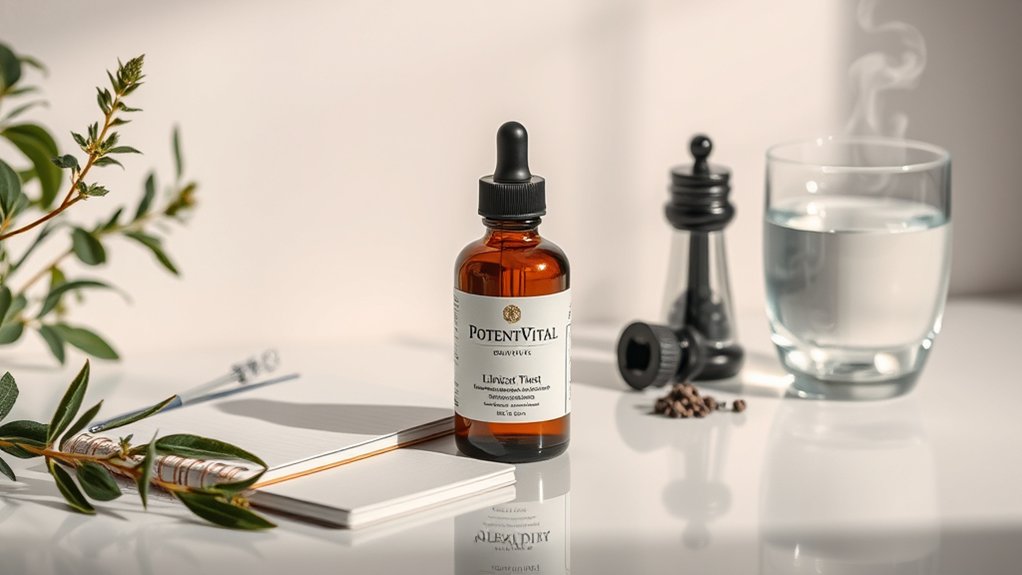
After you’ve checked PotentVital’s sourcing and labeling for accurate dosages, clear ingredient forms, and documented quality controls, the next question is how it compares with comparable products. In potentvital comparisons, focus on clinical relevance: does it use evidence-supported ingredients at physiologically meaningful doses, with transparent excipient profiles? If you’re considering alternative supplements, don’t choose by marketing claims—choose by study quality, bioavailability, and safety screening (COA availability, contaminant testing, allergen clarity).
In PotentVital comparisons, prioritize clinically relevant, evidence-backed dosing and transparent excipients over marketing claims.
- Compare ingredient dosing to published trials, not “proprietary blends.”
- Check third-party testing and batch consistency for stability and purity.
- Match product targets (e.g., energy, cognition, inflammation) to your goals and risk profile.
If you want predictable outcomes, PotentVital is the better choice when the label matches the evidence and the testing is verifiable.
Common Questions
Is Potentvital Safe for Long-Term Daily Use?
PotentVital isn’t fully proven safe for long-term daily use, so you should be cautious. Evidence on most supplements is limited, and long term effects depend on each ingredient, your health status, and any meds. Follow dosage recommendations exactly; avoid exceeding the label. If you’re pregnant, have liver/kidney disease, or take anticoagulants, check with a clinician. Consider periodic lab monitoring and reassess need after 8–12 weeks.
How Long Should I Take Potentvital Before Expecting Any Noticeable Results?
You’ll often notice changes with PotentVital within 2–4 weeks, but some benefits may take 6–12 weeks—because the theory that supplements “work fast” isn’t always supported clinically. Your results timeline depends on your baseline, lifestyle, and consistency. Follow the dosage recommendations on your label (or your clinician’s plan) and give it at least a full month before judging. If you don’t see progress by 8–12 weeks, reassess with your provider.
Can I Take Potentvital While Pregnant or Breastfeeding?
You should not take potentvital while pregnant or breastfeeding unless your clinician explicitly approves it. Evidence for safety in pregnancy and lactation is often limited for supplements, so breastfeeding safety concerns include unknown effects on milk composition, infant exposure, and potential interactions. Follow potentvital pregnancy guidelines from the manufacturer and your OB/GYN; if you’re currently using it, pause and discuss risks, ingredients, and alternatives.
Does Potentvital Contain Allergens, Gluten, or Common Dietary Restrictions?
Yes—check the label, because PotentVital’s specific allergen sources and dietary restrictions depend on the exact formula/batch. In general, reputable supplements disclose potential allergens (e.g., milk, soy, wheat/gluten, egg, nuts, shellfish) and any gluten-containing grains. If the product isn’t labeled “gluten-free” or allergen-free, assume risk and avoid if you’re sensitive. For celiac or severe allergies, confirm with the manufacturer or your clinician.
Will Potentvital Affect Drug Tests or Cause Urine Discoloration?
You can’t rely on PotentVital to pass drug tests, and there’s no guaranteed safety claim. Products like this could, in theory, affect drug metabolism and show up indirectly, but standard panels usually detect specific controlled substances, not supplements. For urine discoloration, some ingredients may change urine color, which can complicate urine analysis, though it typically doesn’t indicate contamination. If you have testing, ask for an independent lab report.
Overall
PotentVital may help support daily energy and sharper focus by combining caffeine with L-theanine, and some users also report benefits related to hydration and everyday immune support. However, results can vary based on your personal sensitivity—especially to caffeine. Make it a smart trial: start with the lowest serving size available, take it when you can assess how you feel, and monitor for common signs of overdoing it (like headaches, jitteriness, or mild stomach discomfort). If anything feels off, pause the product and don’t push through symptoms.
Ready to see how PotentVital fits your routine? If you’re someone who gets “wired but unfocused,” consider testing one serving on a rest day and tracking how your energy, concentration, and calmness change over the next 3–5 days. And if you take any medications or have a medical condition, talk with a clinician first to confirm it’s safe for you. Take action today—choose the dose that works for your body and use that feedback to decide whether to keep PotentVital in your lineup.