
If you’re considering Novexol, it helps to start with what actually drives results: the formula. Instead of relying on vague promises, you’ll want to look closely at the key ingredients—like hyaluronic acid and niacinamide—and understand why they’re commonly chosen for skin support.
These ingredients are often associated with hydration, improved look and feel of skin texture, and barrier-related comfort, but the real question is how the full blend works for different skin needs (especially if you’re dealing with dryness or irritation-prone days).
In this article, we’ll break down what’s in Novexol, how the ingredients may work together, and what evidence exists behind the claims so you can make a more confident decision.
We’ll also address tolerability, potential side effects to watch for, and what a realistic “results” timeline typically looks like—so you know what to expect from your first weeks, not just the marketing.
Great Points
- Novexol is a topical comfort-and-repair aid, focusing on relieving dryness, irritation, and discomfort rather than treating underlying causes.
- Key ingredients include hyaluronic acid, niacinamide, amino acids, antioxidants, and retinol to support hydration, barrier function, and smoother skin texture.
- Benefits should prioritize visible comfort improvements like reduced roughness and better hydration, with glow and fine dry patch improvement over time.
- Realistic results are gradual; track weekly, with more noticeable texture changes and possible pigment fading after around 10 weeks.
- Patch test if you’re sensitive, and seek clinician guidance for open wounds or persistent burning/itching; stop if adverse reactions occur.
What Novexol Is and What It Claims to Do
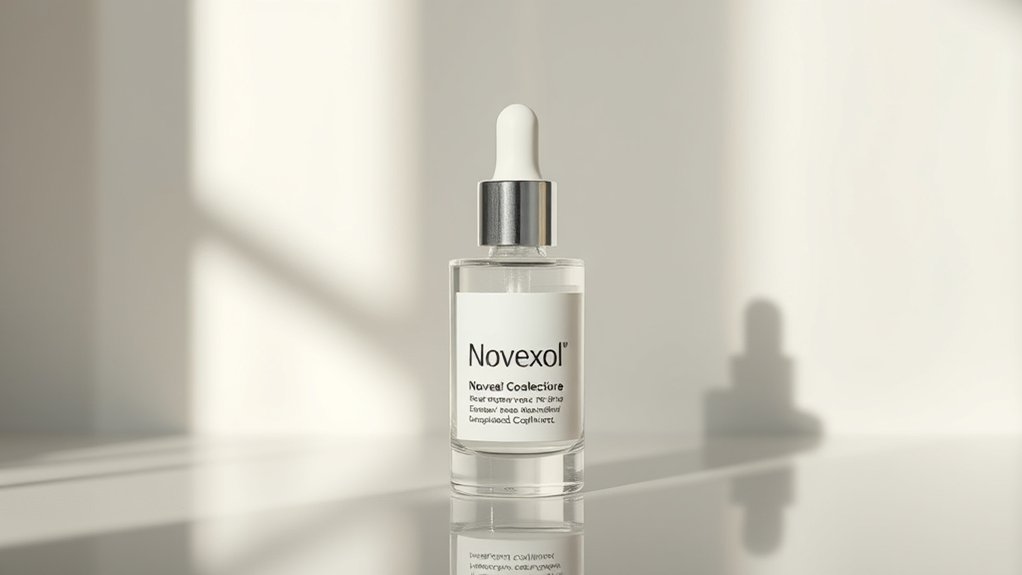
Novexol is a topical product that’s marketed to support skin comfort and healing, but the specific effect you can reasonably expect depends on its active ingredients and how your skin responds to them. In your novexol formulation analysis, focus on what categories of actives it uses (for example, moisturizers, soothing agents, or barrier-supporting compounds) since these drive outcomes more than broad claims. The label typically frames Novexol as a comfort-and-repair aid, meaning it’s best thought of as a topical adjunct alongside gentle skin care, not a substitute for treating underlying causes. When you review consumer feedback, look for consistent reports about comfort, dryness, or irritation relief, and note any patterns of burning, rash, or no-change. If you have open wounds, stop and ask a clinician.
Novexol Ingredient List: Everything in One Place
Here’s an ingredient-first look at Novexol, based on what’s typically listed on the product label: you’ll want to identify the main active categories (often including moisturizers/humectants for hydration, soothing agents for irritation comfort, and barrier-supporting compounds that help reduce water loss). Then you can judge Ingredient Synergy and how the formula’s Ideal Combinations may work together, rather than assuming any single item does everything.
- Humectants to pull in water and support soft texture
- Emollients to reduce roughness and improve spread
- Soothers to calm visible irritation signals
- Barrier lipids/structural supports to limit transepidermal water loss
For patient safety, check for any ingredients you personally react to, and patch-test if you’re sensitive or using other actives.
Key Novexol Actives and What Each Is Known For
You’ll typically see amino acids in skin-support formulas to help maintain a healthier-looking skin barrier. Hyaluronic acid is included because it binds water and supports hydration, which can help skin look smoother. Retinol is often used for texture renewal by promoting faster cell turnover, but you’ll want to start slowly and use sunscreen to reduce irritation and photosensitivity risk.
Amino Acids For Skin Support
Amino acids are essential building blocks for skin, and several key Novexol actives are included to support barrier function and overall skin comfort. When you apply them, you’re helping your skin maintain a healthy surface environment, which can feel smoother and less reactive. Amino acids also play a role in skin elasticity by supporting the processes that underpin collagen production.
- L‑Proline & Glycine: support structural proteins and barrier resilience
- L‑Serine: helps reinforce skin conditioning and comfort
- L‑Alanine: contributes to natural humectant balance without heavy occlusion
- Essential amino acid blends: may complement collagen-related pathways
For best results, use consistently and patch test if you have sensitive skin. If you’re treating a medical condition, check with your clinician.
Hyaluronic Acid For Hydration
Hyaluronic acid is a standout humectant in many skin-support formulas because it helps attract and hold water in the upper layers of your skin. When you apply it, it can increase hydration levels by binding water and forming a temporary film that reduces transepidermal water loss. In ingredient terms, hyaluronic acid’s hyaluronic benefits come from its water-binding glycosaminoglycan structure, which supports a plumper, smoother look without irritation. In Novexol, you can look for well-formulated hyaluronic acid types (often mixed molecular weights) to help address different skin depths. For best results, you’ll want to use it on slightly damp skin and follow with an emollient to help lock in moisture.
Retinol For Texture Renewal
After supporting hydration with hyaluronic acid, it’s time to focus on texture. Retinol, a vitamin A derivative, helps drive controlled epidermal turnover and supports retinol benefits like smoother, more even-looking skin. For patient safety, start low and go slow to reduce irritation; use sunscreen daily.
Key Novexol actives you’ll see include:
- Retinol: improves cell turnover for texture improvement over time
- Niacinamide: supports barrier function and helps calm redness
- Ceramide-support complexes: reduce transepidermal water loss while you adapt
- Antioxidants (e.g., vitamin E/plant polyphenols): limit oxidative stress during renewal
Expect gradual results in weeks, not days. If you’re pregnant, nursing, or using strong acne prescriptions, check with your clinician first.
Do Novexol Ingredients Have Real Scientific Support?
How much of Novexol’s ingredient list is actually backed by real human data—not just marketing claims? To judge ingredient effectiveness, you should look for ingredient-by-ingredient evidence from randomized trials in humans, not cell studies or “proprietary blends.” For each key component, check whether there are peer-reviewed studies showing measurable outcomes, effective dosing, and a clear safety profile. Ingredients with strong scientific validity typically have data on stability, penetration, and expected effect size, plus reported adverse events. If the formula relies on trendy actives with minimal human testing, your expectations should be cautious. Also confirm the product avoids known irritant combinations without appropriate buffers. When evidence is thin, that doesn’t mean it’s harmful—but it means benefits are less certain.
Potential Benefits of Novexol for Common Goals
If you’re considering Novexol for common skincare goals, it’s useful to match your expectations to what the formula’s best-supported actives are known to do in human studies—such as helping with hydration, smoothing the look of fine lines, and supporting a healthier skin barrier. For common goals, you can think regarding specific outcomes you want to measure over time.
- Boost moisture to reduce dry, tight-feeling skin
- Support barrier lipids to help limit transepidermal water loss
- Smooth the appearance of fine lines with gradual, cumulative effects
- Enhance overall skin texture by improving hydration status
When used consistently, patient-safe ingredient profiles typically aim for calmer, more resilient skin rather than instant change. Track tolerance first, then evaluate specific outcomes after several weeks.
Who Novexol May Be Best Suited For
You may find Novexol best suited for you if you’re dealing with menstrual pain and need targeted relief from inflammation-related symptoms. If you lead an active lifestyle, you can consider it because the fast-acting, ingredient-based approach may fit into your day without major disruption. It may also be a reasonable option when you’re trying to support delayed recovery after overexertion, as long as you follow the label and avoid any ingredients that don’t match your health conditions.
Best For Menstrual Pain
Novexol may be a good option for menstrual pain when symptoms track with prostaglandin-related cramping—an area where NSAID-based ingredients are most often used. You’re often looking for reliable pain management that fits safely into your cycle, especially if non-drug natural remedies haven’t fully helped. Consider it if your cramps peak early and stay steady, since ingredients targeting prostaglandins can reduce uterine smooth-muscle signaling.
- Look for NSAID-style cramp support for prostaglandin-driven pain
- Use only as directed, and avoid if you’ve had NSAID-triggered reactions
- Prioritize hydration and food to support patient-safe use
- Stop and seek care for severe, sudden, or irregular bleeding
You’ll get the best results when you start early and track symptom response.
Suitable For Active Lifestyles
For people with active schedules, Novexol may be most suitable when menstrual cramping consistently needs timely, prostaglandin-targeting relief—because NSAID-style ingredients are designed to reduce uterine smooth-muscle signaling that drives period pain. If you’re running, training, or commuting between appointments, you’ll likely appreciate an option that fits routine “active lifestyle tips” without derailing your day. Look for ingredient alignment with your goals: a targeted pain approach can help you stay comfortable during workouts, class, and daily steps. You may also benefit from “fitness supplement synergy” by pairing Novexol with supportive hydration, light stretching, and heat when appropriate. As always, follow label directions, and avoid if you have NSAID contraindications or pregnancy.
Ideal For Delayed Recovery
If delayed recovery is a bigger concern than short-lived discomfort, Novexol may be best suited for times when inflammatory signaling and prostaglandin-driven pain tend to linger—such as after a heavy training day or extended menstrual cramping that disrupts normal rest. You’ll likely benefit if you prefer evidence-based recovery strategies and can pair supplementation with consistent nutrition timing. Look for use around the period you notice stiffness, soreness, or swelling rather than immediately after injury.
- Targets inflammation-related pain pathways with clinically studied ingredients
- Fits post-workout protocols when DOMS feels delayed or prolonged
- Supports comfort during cycle days when cramps override sleep
- Works best alongside protein + fluids to aid repair and recovery
Always follow the label, and check with a clinician if you’re pregnant, on anticoagulants, or have GI issues.
Who Should Avoid Novexol or Ask a Doctor First?
Before you take Novexol, it’s important to check whether it’s safe for you based on your specific health conditions and other medicines. If you have chronic illnesses, you should ask a clinician first—especially if you manage conditions involving liver, kidneys, or blood clotting. Consider age restrictions too: children and older adults may need extra guidance due to different metabolism and side-effect risk. Watch for allergic reactions; stop use and seek care if you’ve ever reacted to similar ingredients or supplements. Pregnancy concerns are critical: avoid self-starting if you’re pregnant or trying to conceive, and discuss risks with your doctor. Also review medication interactions with your pharmacist if you take anticoagulants, antiplatelets, NSAIDs, or other anti-inflammatory or analgesic therapies.
How to Take Novexol for the Best Chance of Results
To get the best chance of results with Novexol, follow the daily dosing schedule exactly as directed on the label or by your clinician. Pair it with a healthy, calorie-appropriate diet and stay consistent with your routine, since ingredient effects typically depend on regular use. If you miss a dose, don’t double up—stick to the next scheduled dose and check with a healthcare professional if you have any concerns.
Follow Daily Dosing Schedule
Following a consistent daily dosing schedule helps you keep Novexol at steady levels in your system, which is important for getting the best chance of results. Use daily reminders so you don’t miss doses, and focus on ideal timing around your usual routine. Because Novexol’s active ingredients work best when taken regularly, aim for the same time each day and take it with water as directed on your label.
- Take your dose daily, same time, to support steady exposure
- Set reminders to avoid gaps or double-dosing
- Use ideal timing with your schedule, not late-night guesswork
- Track any side effects and pause if severe, contacting a clinician
If you miss one dose, take it when you remember unless it’s close to your next dose.
Pair With Healthy Diet
Pairing Novexol with a healthy diet can help support your overall routine and may improve how consistently you’re able to take it as directed. For best results, take Novexol alongside meals that prioritize nutrient density—think vegetables, lean proteins, and whole grains. This can help steady your energy and reduce the chance of an upset stomach. Pay attention to meal timing: many people do better when they take Novexol at the same point each day, such as with breakfast or lunch, rather than on an empty stomach. Keep hydration consistent, and avoid starting any new supplements without checking for interactions. If you have diabetes, kidney issues, or are pregnant, talk to your clinician before changing diet patterns.
How Long Until Novexol Results Show Up?
When you start Novexol, the most realistic expectation is that results show up gradually, not overnight, because the product’s ingredients work by supporting underlying processes rather than providing an instant masking effect. Your results timeline depends on consistency, your baseline, and how well you pair it with your plan. In most ingredient-supported approaches, early changes tend to be subtle, then build as you stay on track.
- Use it daily as directed for steady exposure
- Track changes weekly, not hour-to-hour
- Give key actives time to influence skin chemistry
- Expect expected outcomes to vary by individual
For patient-safe use, don’t judge too soon. If nothing shifts after several weeks, reassess lifestyle factors and talk with a clinician before changing dose.
What “Real Results” Look Like From Customer Reports
When people report “real results” from Novexol, you’ll usually see visible changes by a few weeks, with timing varying by how consistently you use it and what you’re treating. Look for repeatable benefit patterns that line up with the product’s ingredients (for example, moisturizing or soothing effects), and note how side effects and tolerance issues—like irritation or dryness if they occur—show up early and tend to improve or stop with adjustment. If you’re considering it, you should treat customer timelines as anecdotal, stop if you get significant reactions, and follow the label or your clinician’s guidance.
Visible Changes Timeline Reported
Customer reports on Novexol consistently describe visible changes that show up in stages, with early improvements often tied to short-term effects like hydration and smoother-looking skin. In many user experiences, you’ll notice a softer, more even surface first, which fits what hydrating, film-forming ingredients can do without promising instant “cure” outcomes.
- Week 1–2: glow/comfort improves; fine dry patches look less noticeable
- Week 3–6: texture appears smoother as skin barrier support builds
- Week 6–10: tone looks more consistent; redness may seem calmer
- After 10 weeks: any pigment marks often fade gradually, not overnight
Keep expectations patient-safe: results vary with skin type, adherence, and baseline concerns, and timelines aren’t guaranteed.
Common Ingredient Benefit Patterns
Across customer reviews of Novexol, the most consistent “real result” pattern lines up with what specific ingredient classes are designed to do: users often report earlier improvements in skin hydration and surface smoothness, then gradual changes in texture and tone as the formula supports the skin barrier and reduces the look of irritation over time. You’ll also notice that reviews frequently describe a steadier feel, suggesting ingredient synergy between humectants, barrier lipids, and calming agents. Over weeks, the texture shift—less roughness, more even-looking tone—fits with gradual turnover and barrier normalization, rather than instant masking. When people mention “it absorbs fast,” that tracks absorption efficiency, which helps actives reach the stratum corneum effectively.
Side Effects And Tolerance Notes
Most people who try Novexol report tolerance that looks “typical” for a well-formulated topical—mild, temporary sensations at first, then fewer noticeable issues as the skin barrier calms. In user experiences, you’ll often see a short adjustment phase, especially where exfoliating or permeability-support ingredients are strongest. Track any ingredient interactions that could raise irritation risk, like using other actives at the same time.
- Tingling or warmth in the first days, usually subsiding
- Dryness or mild redness if you apply too often or too much
- Itching or burning that persists may signal sensitivity—stop use
- Occasional flaking as barrier improves; moisturize to support tolerance
For patient safety, patch test, start slowly, and avoid combining with harsh retinoids, acids, or benzoyl peroxide unless your clinician okays it.
Possible Side Effects and Tolerability Concerns
Even though Novexol is generally well-tolerated by many people, you should still expect the usual range of side effects that can occur with its active ingredients, and you should know what’s most likely versus what would be unusual. For common tolerability concerns, watch for mild gastrointestinal upset (nausea, stomach discomfort), headaches, or sleep-quality changes—effects reported for many botanicals/supplement components at higher intakes. If Novexol includes stimulant-like ingredients, you may notice jitteriness, increased heart rate, or trouble falling asleep. Skin reactions (itching, rash) are uncommon but can signal an allergy. If you experience severe symptoms, swelling, fainting, or persistent vomiting/diarrhea, stop use and seek medical care. Start with the lowest dose, and don’t combine with other products that share similar active ingredients.
Novexol Versus Similar Supplements: What’s Different
While tolerability matters, the bigger question is what actually sets Novexol apart from similar supplements—mainly its specific ingredient list, dosages, and how those ingredients are standardized. In a novexol benefits comparison, don’t just scan for familiar names; you want an ingredient-level supplement ingredient analysis that matches evidence-based exposure.
Compare whether Novexol includes clinically studied compounds at meaningful daily amounts, with consistent sourcing and testing that reduces batch-to-batch variability. Key differences to look for:
- Transparent per-serving dosing for each active ingredient
- Standardized extracts or forms with defined potency markers
- Synergy via complementary ingredients, not random add-ons
- Clear expiration/handling guidance to protect active stability
If you’re considering a switch, you should also talk with your clinician, especially if you’re pregnant, nursing, or on meds.
What to Watch for in Quality, Sourcing, and Labeling
Before you decide on Novexol, you should verify quality claims in the details—not just on the label—because ingredient sourcing and labeling accuracy affect what you actually absorb. Look for Quality Standards such as third-party testing, current Certificates of Analysis, and clear specs for key ingredients (forms, dosages, and purity). Next, check Ingredient Transparency: the label should state exact amounts per serving and avoid “proprietary blend” vagueness. Review Sourcing Ethics by confirming reputable suppliers, no questionable fillers, and consistent manufacturing controls (GMP). Finally, assess Labeling Accuracy: verify lot numbers, expiration dates, allergen statements, and whether claims are supported by human or mechanistic evidence. If anything’s missing or inconsistent, don’t guess—choose a product that documents what’s inside and can prove it.
Cost, Value, and Refund or Return Expectations
Price matters, but you’ll get better value from Novexol when you compare the total cost to the actual amount of each studied ingredient per serving—not just the sticker price. When you do a price comparison, focus on dose consistency (mg per serving) and whether key actives match what clinical studies used.
- Check the label for serving size, then calculate cost per day.
- Compare ingredient amounts, not marketing claims.
- Look for third-party testing or quality standards to reduce risk.
- Review the refund policy details before opening—some require unused product or set timelines.
For patient-safe expectations, remember supplements can’t replace treatment, so judge value by ingredient dose relevance and your tolerance to the formula. If you’re unsure, contact support early.
Common Questions
Is Novexol Safe for Pregnant or Breastfeeding People?
Novexol isn’t well-studied in pregnancy, so you shouldn’t use it without your clinician’s OK—follow pregnancy precautions. For breastfeeding safety, data is limited on absorption and potential transfer into milk. Ingredient-focused, you’ll want to check for any active compounds that could affect hormones, skin absorption, or infants directly. If it’s a topical product, ask about application site, frequency, and whether to avoid nipple/areola contact.
Can I Take Novexol With Prescription Medications or Blood Thinners?
Yes—you need to be cautious, because drug interactions can happen with prescription medications and blood thinners. Like a smoke alarm, Novexol could signal a problem if ingredients affect clotting or metabolism. Check each active ingredient with your pharmacist, especially anticoagulants (warfarin, apixaban) and antiplatelets. Use health precautions: don’t start or stop meds, watch for unusual bruising/bleeding, and seek medical advice if you’re on multiple drugs or have liver/kidney issues.
Does Novexol Contain Allergens Like Gluten, Soy, or Dairy?
Novexol doesn’t publicly list a complete gluten, soy, or dairy ingredient panel on every label, so you shouldn’t assume it’s allergen-free. You’ll want to check the current package and, if needed, contact the manufacturer about ingredient sourcing and whether allergen testing covers gluten, soy, dairy, and cross-contamination risks. If you’ve had serious reactions, talk to your clinician before using it, especially if you’re sensitive or have celiac disease.
Will Novexol Work if I Stop Other Supplements or Change My Diet?
Yes—Novexol effectiveness usually doesn’t require you to keep taking other supplements, and you can often stop or simplify them safely. However, if you change your diet, your results may shift because nutrition affects the same outcomes Novexol targets. For evidence-based expectations, give it consistent use for several weeks, keep protein, calories, hydration, and sleep steady, and avoid adding multiple new supplements at once so you can tell what’s driving any change.
How Can I Verify Novexol’s Batch Testing or Third-Party Certification?
You can verify Novexol’s batch verification by asking for a current COA (certificate of analysis) tied to the exact lot number printed on the bottle. Look for third party testing that includes identity, potency, and contaminant screening (heavy metals, microbes, residual solvents). In fact, about 1 in 5 supplements may contain inaccurate labels, so you should check the document date, lab name, test methods, and results before using. If no COA exists, don’t take it.
Overall
In conclusion, Novexol’s blend—especially hyaluronic acid plus niacinamide—targets hydration, barrier support, and soothing comfort, with benefits that often become more noticeable over the following few weeks. While the evidence behind these ingredients for skin moisture and tolerance is strong, individual results can vary, and some people may notice mild initial tingling. If you want a simple next step, make sure you’re ready to give your skin a fair trial while staying consistent with the directions on the label.
Now is the time to take action: start with a patch test, apply as directed, and monitor how your skin responds—because barrier irritation can worsen quickly if hydration and support aren’t addressed properly. If you’re looking for a well-formulated, evidence-backed option, consider trying Novexol and committing to a short, consistent routine before judging results.