
You’ve probably seen claims that HoneyBoost can do more than just taste good—promising a boost to energy, immune support, and even metabolic health. But when a supplement blends honey with “bioactive” ingredients, it’s worth pausing and asking a key question: what’s actually helping, and how much of the effect is realistic? Honey contains naturally occurring sugars that can support quick energy, and its plant-derived compounds may offer antioxidant activity—but turning that into strong outcomes like metabolism changes requires both the right formulation and the right evidence.
In this review, we’ll look beyond the marketing headlines to understand what HoneyBoost contains, which mechanisms are plausible based on honey’s known properties, and where the supporting research is still limited or dose-dependent. By the end, you’ll have a clearer picture of whether HoneyBoost aligns with your health goals—or whether it’s simply a convenient sweetener with expectations that run ahead of the science.
Great Points
- HoneyBoost is a honey-based supplement marketed for energy, immunity, and metabolic support, but ingredient amounts and sourcing affect results.
- Its active effects are mainly from honey sugars and polyphenols, which may offer antioxidant activity and mild antimicrobial benefits.
- Users may notice modest hydration/comfort within weeks, but claims aren’t clinically proven and vary by diet and dose.
- Safety is mainly limited by honey allergies, with added sugar potentially impacting blood sugar control for some individuals.
- Verify label details, purity testing, and pricing/shipping or subscription terms before buying to avoid poor-quality or unclear products.
What Is HoneyBoost and What Does It Claim to Do
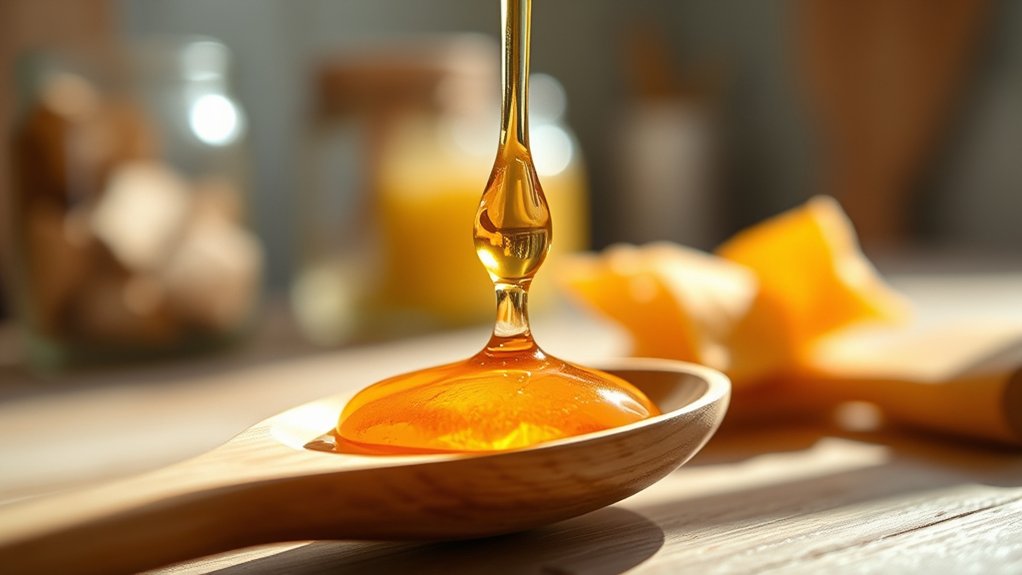
HoneyBoost is a natural honey-based supplement that’s marketed to support everyday wellness, especially for people who want help with energy, immunity, and overall metabolic health. As you evaluate these dietary supplements, focus on the stated honey benefits: honey contains carbohydrates and bioactive compounds that may support antioxidant activity, which aligns with some natural remedies research. However, be cautious with broad health claims—many depend on dose, formulation, and study quality, so you shouldn’t assume guaranteed outcomes. You can look at consumer feedback to see whether users report energy or immune support, but remember anecdotal results aren’t clinical proof. Also, prioritize product transparency and ingredient sourcing details, such as purity and testing. Overall, it fits a holistic wellness approach, but you should verify the evidence behind its claims.
HoneyBoost Review: Key Ingredients You Should Check
Before you buy HoneyBoost, it’s worth checking the exact ingredient panel and the amounts—because “natural honey” can vary a lot in sugar profile and bioactive compounds, depending on the source and processing. For the best honey benefits, look for clear ingredient sourcing and realistic serving sizes, since evidence for honey’s antioxidant and soothing effects depends on composition.
- Honey type & origin: choose products that specify floral source and region to support consistent ingredient sourcing.
- Added ingredients: scan for gums, sweeteners, or fillers; they can dilute honey benefits.
- Sugar & calories per serving: compare labels, especially if you’re managing blood sugar.
Also check for any stated certifications (e.g., purity testing). If the label is vague, you can’t verify what you’re getting or how meaningful the nutrient profile is.
HoneyBoost Review: How the Honey-Based Formula Works
When you use HoneyBoost, the honey-based formula is designed to provide natural sugars along with enzymes that may support everyday digestive comfort. As you take it daily, the absorption process generally starts in the mouth and small intestine, where nutrients and enzyme activity can interact with normal digestion. If you’re watching blood-sugar intake or have allergies, you’ll want to check the label and consider how your body typically responds to honey.
Honey And Natural Enzyme Support
Natural honey contains water, carbohydrates, small amounts of micronutrients, and plant-derived polyphenols, and it may offer soothing, antimicrobial support in the areas it contacts directly. If you’re considering HoneyBoost, you’re likely looking for honey benefits alongside natural enzyme support. Honey’s enzyme functions can include producing low levels of hydrogen peroxide and supporting breakdown reactions that accompany its natural chemistry.
Key nutrient angles to understand:
- Polyphenols with antioxidant activity that may help protect tissues
- Enzyme-related antimicrobial effects through hydrogen peroxide formation
- Viscous, contact-time support that can soothe irritated surfaces
Evidence in humans varies by product and context, but the biological plausibility is strongest at the interface where honey meets tissue.
Daily Use And Absorption Process
Once you start using HoneyBoost daily, the goal is simple: the honey-based formula should remain in contact with the targeted area long enough to benefit from its natural, food-derived components. For best results, you’ll want a consistent daily routine: apply the recommended amount, gently spread it, and give it time to sit before covering or rinsing. Nutrient delivery depends on local moisture, skin or tissue condition, and how well the formula adheres. In general, absorption rates are slower when the surface is dry or irritated, and faster when the area is well-hydrated. If you’re using it as directed, you can track how you feel over 2–4 weeks, adjusting timing if irritation or reduced contact occurs.
What Results Can You Realistically Expect From Honeyboost
You’ll usually see the most noticeable changes from HoneyBoost within a few weeks, but results tend to be modest and vary by your baseline diet, sleep, and consistency. For skin, you might expect gradual improvements in hydration and overall appearance, while body changes (like fat loss or muscle gain) depend mainly on calories, activity, and protein intake rather than honey alone. If you don’t address factors like sun protection, stress, and adherence, you’re less likely to hit the faster timelines some people claim.
Timeline For Visible Improvements
Visible results from HoneyBoost depend largely on your starting point and how consistently you use it, because skin and health outcomes usually show up in stages rather than overnight. Your improvement timeline is typically slower than marketing claims, but steadier when you prioritize nutrients like honey-derived antioxidants, plus supportive skin hydration.
You’ll more reliably notice visible changes when your routine includes daily use and good basics (gentle cleansing, sunscreen, adequate sleep). In most people, timing looks like this:
- 1–2 weeks: subtle hydration and smoother feel
- 4–6 weeks: improved texture and steadier tone signals
- 8–12 weeks: more meaningful, cumulative radiance with consistent intake
If you’re dealing with dryness or sensitivity, expect earlier comfort and gradual improvement rather than abrupt transformation.
Expected Skin And Body Changes
HoneyBoost results tend to be gradual, but they can be realistic if you match your expectations to how nutrients work in the body—especially through honey-derived compounds that may support antioxidant activity and skin barrier hydration. If you use HoneyBoost consistently, you may notice modest skin hydration improvements, like less tightness and smoother-looking texture. These effects are most plausible when your routine already supports adequate overall nutrition and hydration, since honey’s benefits are typically complementary rather than transformative. Over weeks, some people report early signs of body rejuvenation, such as better recovery after mild exercise and steadier overall energy perception, though responses vary. The most credible expectation is gradual, skin-focused support, not rapid “detox” or dramatic reshaping.
Factors Affecting Real Results
Realistic HoneyBoost results depend less on hype and more on how consistent you are with dosing, your baseline skin and hydration status, and your overall intake of key nutrients that support barrier function (like vitamin C, zinc, and adequate protein). You’ll likely notice smaller, cumulative improvements first, especially if your skin barrier is already compromised or you’re dehydrated.
- Honey quality: If the product uses well-processed honey, you may get more reliable bioactive content.
- Absorption rates: Differences in your gut function and whether you take it with food can affect uptake.
- Nutrient context: Vitamin C, zinc, and enough protein help collagen and repair, supporting any benefits.
If you skip doses or ignore hydration and diet, expectations should stay modest; evidence supports supportive, not miraculous, outcomes.
Does HoneyBoost Have Side Effects or Safety Concerns?
You might wonder whether HoneyBoost comes with any side effects or safety concerns, especially if you’re using it regularly. In general, honey-based products are well-tolerated for most people, but the main concern is honey allergies. If you’ve had reactions to honey or pollen, you should avoid it and check the label carefully. Ingredient sourcing also matters: reputable sourcing and quality testing can reduce risks from contamination, variability, or unintended additives. Nutrient-wise, honey mainly provides sugars and bioactive compounds; at typical servings, it’s unlikely to cause harm, but excess intake can affect blood sugar control. If you’re managing diabetes, pregnant, or giving it to a child under 12, talk with a clinician first.
HoneyBoost Review: Pricing, Value, and Subscription Details

You’ll want to compare the price per bottle across HoneyBoost’s options, since the label’s nutrition (like added sugars vs. any beneficial compounds) should be weighed against the cost. If you’re considering the subscription, check how much you actually save versus buying once, and whether the scheduled shipments align with how consistently you’ll use it. Also confirm the shipping schedule and billing terms upfront so you’re not surprised by when charges hit or when cancellations need to be processed.
Price Per Bottle Breakdown
HoneyBoost’s price-per-bottle depends on how you buy it—one-time orders typically cost more per bottle than bundle or subscription options. To do a fair price comparison, you’ll want to check the labeled bottle count, any shipping fees, and typical fulfillment timing, since product availability can vary by retailer and region. Nutrient-wise, the formula’s honey-based components are the same per serving, so changes mostly affect your total cost, not the basic nutrition profile.
- One-time checkout: higher per-bottle cost; fewer added-value extras
- Bundle packs: lower cost per unit; better for steady use
- Subscription: often reduces effective price; confirm delivery cadence
For evidence-based value, compare total cost per serving, not just the sticker price.
Subscription Save Versus Buy
Looking past the price-per-bottle math, the subscription option mainly changes your effective cost per serving by bundling repeat deliveries at a lower rate, while keeping the formula’s honey-based components consistent per serving. When you choose it, you’re fundamentally buying predictability: fewer decisions, steadier inventory, and clearer budgeting—key subscription benefits if you use HoneyBoost regularly. For a pricing comparison, compare the per-serving effective rate across a one-time purchase versus scheduled repeats, then factor in how long you expect to maintain daily use. From a nutrient-focused view, the subscription shouldn’t alter the core macro/micronutrient profile per serving; the value comes from cost efficiency rather than changing what you ingest. If you’re intermittent, the one-time buy may fit better.
Shipping Schedule And Billing
When you pick a HoneyBoost subscription, shipments typically follow a set cadence (often monthly), so you get recurring deliveries before you run out, which helps prevent missed days. For evidence-based consistency, that timing supports steady use of honey-derived bioactives and helps you maintain your routine for nutrients like antioxidants. You’ll also want to review shipping options and how they match your schedule, including standard or expedited delivery where available.
- Monthly autoship cadence for continuity
- Billing frequency tied to each shipment date
- Options to pause, skip, or update delivery address
In terms of value, predictable billing frequency can reduce last-minute ordering, though you should confirm any change fees or cutoff dates. If you prefer less frequent dosing, compare subscription tiers against one-time purchases before committing.
How Long Does It Take for HoneyBoost to Work?
So, how quickly will HoneyBoost start working? If you’re taking it for honey benefits, it’s mainly the overall nutrition and supportive ingredients that matter—not an instant “cure.” For many people, you might notice subtle changes in comfort or throat feel within 24–48 hours, especially if the product includes honey-derived compounds that can soothe. However, measurable effects related to recovery, hydration, or immune support usually take longer because they depend on consistent intake and your baseline diet. Stick closely to dosage recommendations on the label, since too little may delay results and too much can raise the risk of unwanted effects. If you don’t feel any benefit after about 2–4 weeks, reconsider your routine and talk to a clinician, especially if symptoms persist.
HoneyBoost Review: Who the Formula Is Best For
If you’ve got dry skin, you may find HoneyBoost’s honey-focused nutrients fit well alongside basic moisturizing routines. For seasonal throat comfort, it’s most useful as a supportive option when you’re actively dealing with irritation and want something gentle. And if you’re an active honey lover, it’s likely best as an everyday add-on rather than a replacement for medical care.
Best For Adults With Dry Skin
For adults dealing with dry, tight-looking skin, HoneyBoost is best suited when your barrier feels compromised and you need long-lasting hydration support. You’ll likely benefit if you notice flaking, rough texture, or tightness after cleansing. The honey benefits align with evidence that humectant-rich formulas can improve skin hydration by drawing and holding water, supporting the stratum corneum.
- Look for gentle, barrier-friendly hydration rather than heavy greasiness.
- Prioritize ingredients that support skin hydration and help reduce the appearance of dryness.
- If you have sensitive skin, patch-test since dry skin can be reactive.
When you use it consistently, you can expect more comfort and smoother-looking skin without overpromising results or ignoring basic moisturization habits.
Helps Support Seasonal Throat Comfort
As seasons change and indoor air gets drier, HoneyBoost may help support your throat comfort by pairing soothing, naturally derived ingredients with hydration-focused components that can leave your tissues feeling less irritated. If you’re prone to seasonal dryness or mild throat discomfort, you may benefit from these throat remedies as part of a broader routine that includes hydration, humidified air, and adequate sleep. Honey and complementary plant compounds are often explored for their demulcent and antioxidant properties, which may help calm irritation when symptoms flare. You can view HoneyBoost as natural soothing support rather than a cure, especially if you prefer gentler options during shifts like fall and winter.
Suitable For Active Honey Lovers
HoneyBoost is a strong fit for active honey lovers who want a convenient way to add natural sweetness alongside throat-supporting ingredients. If you have an active lifestyle and need a quick option between workouts or commutes, this formula can match your routine without extra prep. Honey has well-documented honey benefits, including soothing effects and antimicrobial activity from its natural compounds, which may help you feel more comfortable when your throat is strained.
- Easy to take on the go during training days
- Supports day-to-day comfort with honey-derived compounds
- Complements hydration-friendly, low-fuss sweetness
You’ll likely appreciate it most if you prefer familiar flavors and want evidence-aligned ingredients rather than heavy syrups.
HoneyBoost Review: What to Look for in the Label
When you’re evaluating HoneyBoost, the label is where you can quickly separate marketing claims from nutrition reality. Focus on Label Transparency: look for a full ingredient list, exact honey type, and added nutrients with amounts per serving. Ingredient Quality matters too—prefer products that specify sourcing, processing (e.g., raw or pasteurized), and avoid vague terms like “proprietary blend” or “natural flavors” unless clearly defined.
Use this checklist while you scan:
| What to check | What “good” looks like | Why it matters |
|---|---|---|
| Honey source | Type + origin | Limits uncertainty |
| Added sugars | Lower per serving | Impacts glycemic load |
| Serving size | Matches your intake | Prevents misread dosing |
Also confirm minerals/vitamins list and whether honey is the sole sweetener. If anything’s missing, you should pause.
Common Honey-Based Supplement Myths HoneyBoost Buyers Ask About
Even if HoneyBoost’s label looks clean at first glance, buyers often run into misinformation about what honey-based supplements can—and can’t—do for your nutrition. In myth debunking terms, it’s smart to separate marketing from evidence so you avoid consumer misconceptions about ingredients, dosing, and outcomes.
Here are common questions you’ll see:
- “Raw honey cures inflammation.” Evidence is mixed; benefits, if any, tend to be modest and dose-dependent.
- “Honey replaces fruits/veg nutrients.” It won’t supply the fiber, potassium, and polyphenols you’d get from whole foods.
- “More honey equals better results.” Too much sugar can hinder metabolic goals and raise calorie intake.
For HoneyBoost, focus on specific nutrients listed, your diet’s baseline, and realistic expectations—then decide accordingly.
HoneyBoost Review: Customer Reviews and What Patterns Show
Customer feedback on HoneyBoost tends to cluster around a few nutrient-and-experience themes: many reviewers report noticeable sweetener taste and ease of taking it consistently, while others focus on digestive comfort or perceived energy changes. When you read patterns, you’ll see that reports of honey flavor benefits often track with higher adherence, which matters because consistency supports exposure to whatever active nutrients are included. Still, you should weigh subjective “more energy” claims against natural day-to-day variation and stimulant-free expectations. Digestive comfort feedback is also mixed—some mention gentler stomach feel, but others don’t notice changes. Overall, consumer trust seems highest among people who describe clear routines, realistic outcomes, and transparent expectations about taste and tolerability.
Where to Buy HoneyBoost Safely and Avoid Scams
After you’ve looked at the patterns in customer feedback, the next step is making sure you’re getting the real HoneyBoost and not a mislabeled product. For safe purchasing, stick to the brand’s official website or reputable retailers that list batch/lot details and clear ingredient panels. Use scam awareness tactics: avoid “too-good-to-be-true” pricing, and don’t rely on social ads with no verification.
Before you buy, check for:
- Verified seller info, matching product name and label
- Clear nutrition facts and honey-based ingredient sourcing
- Secure checkout (HTTPS) and a real returns/contact policy
Evidence-based supplements should be consistent batch to batch. If the listing omits key labeling, it’s a red flag.
HoneyBoost vs Other Honey Supplements: What’s the Difference
When you compare HoneyBoost to other honey-based supplements, the biggest differences usually come down to what’s actually inside the bottle—especially honey source, processing, added botanicals, and how the product quantifies active components (not just “honey” as a general ingredient). For evidence-based supplement comparisons, look for specific polyphenol/antioxidant standards, moisture and sugar profiles, and whether honey is raw or filtered.
| Feature | What to check |
|---|---|
| Honey source | Region + harvest/label clarity |
| Processing | Raw vs pasteurized/filtered |
| Added botanicals | Type, dose, and purpose |
| Active standards | Named markers/quantification |
These factors shape honey benefits like antioxidant support, antimicrobial activity, and soothing potential. If a label only lists “honey,” you can’t reliably compare potency to HoneyBoost.
Should You Buy HoneyBoost or Skip It: Decision Checklist?
So, should you buy HoneyBoost or skip it? Use this quick checklist before you spend money. Start with your goals—evidence suggests honey can support soothing effects, but it’s not a cure-all. Then verify the basics with your comparison criteria: ingredients, added sugars, and any probiotic or antioxidant claims. Next, scan user testimonials for patterns (like consistent taste and no GI upset), not extremes.
- Check the label: real honey content, serving size, and sugar per dose
- Look for nutrient evidence: antioxidants, enzymes, and third-party testing
- Match expectations to outcomes: support vs treatment; watch for allergies
If it’s transparent, reasonably dosed, and you tolerate it well, HoneyBoost may be worth trying. If not, skip it and choose a simpler option.
Common Questions
Is Honeyboost Suitable for Vegetarians or Vegans?
Yes, HoneyBoost isn’t suitable for vegans, because it’s honey-based; honey isn’t vegan. For vegetarians, it may be suitable since honey is typically allowed, but you should confirm the specific ingredients and any processing aids. From a nutrient angle, honey does offer some honey benefits like sugars and trace compounds, yet it’s not a full substitute for plant-based micronutrients. If you avoid honey, look for vegan alternatives with added vitamins and minerals.
Can I Take Honeyboost With Medications Like Antibiotics or Insulin?
Yes, you can sometimes take HoneyBoost alongside antibiotics or insulin, but you should check medication safety first. Think of it like a traffic light: honey interactions could affect stomach comfort or blood sugar perception, which matters with insulin. Evidence is limited on honey supplements directly, so follow your clinician’s advice, monitor glucose closely, and separate doses if your antibiotic instructions require it. Always ask your pharmacist about interactions with your specific drug.
Will Honeyboost Affect My Blood Sugar Levels?
Yes, HoneyBoost could affect your blood sugar levels. Honey contains natural sugars, so it may raise blood glucose, especially if you take larger doses or have diabetes. However, honey benefits like antioxidants don’t eliminate sugar-related effects. If you’re insulin- or medication-dependent, monitor closely and consider starting with the smallest serving. Look for added ingredients: fiber, chromium, or low-glycemic formulations might blunt spikes, but evidence varies.
Is Honeyboost Safe During Pregnancy or Breastfeeding?
Yes, honeyboost may be *generally* safe in pregnancy or breastfeeding, but you should be cautious. Honey benefits like antioxidants may sound promising, yet it’s still added sweetener, so keep portions small and check sugar content. Prioritize pregnancy nutrition from folate, iron, protein, omega-3s, and adequate calories. If it’s unpasteurized honey or contains extra herbs, avoid it. Ask your clinician first, especially if you have diabetes or allergies.
How Do I Verify the Authenticity of Honeyboost Before Buying?
To verify honeyboost’s authenticity before buying, check product labeling closely: ingredient list, manufacturer details, batch/lot number, and any third-party certification. Look for transparent honey sourcing—country/region, processing method, and whether it’s tested for purity and contaminants. Compare claims to independent lab results (e.g., pollen/microscopy or adulteration tests). Avoid deals with vague labels, missing lot numbers, or unusually low prices. If you can’t find documentation, skip it.
Overall
If you’re considering HoneyBoost, keep your expectations realistic: it may provide modest energy support through natural sugars and hydration, and it could offer small immunity-friendly benefits from honey’s bioactive compounds. Consider it a gentle, day-to-day supplement—not a miracle solution—and remember that outcomes will vary based on your diet, recommended dose, and your personal health baseline. Before starting, check for honey allergies, be mindful of how it may affect blood sugar, and avoid treating it like a replacement for sleep, whole foods, or your training routine.
Ready to see if HoneyBoost fits your routine? If you’re looking for a simple nutrient add-on that supports wellness without overcomplicating things, take the next step and review the details, dosage guidance, and ingredient list before you buy. Then give it a fair trial alongside healthy habits to determine whether it makes a difference for you.