
If you’re dealing with prostate or urinary symptoms, it’s easy to wonder whether small improvements are “real” or just part of normal day-to-day variation. Maybe you’ve noticed waking less at night, a steadier urine flow, or fewer interruptions—especially after starting a supplement like Prostacyl. Those changes can feel encouraging, but they also raise an important question: what, exactly, is Prostacyl doing in your body, and how credible are the claims behind it?
In this review, we’ll break down Prostacyl from the ground up—starting with the key ingredients and what they’re designed to support for prostate health and urinary function. Then we’ll look at how closely the company’s promised benefits match what clinical evidence can realistically support, so you can make a more confident decision about whether Prostacyl is a good fit for your goals.
Great Points
- Prostacyl is a men’s urinary and prostate supplement for mild, age-related lower urinary tract symptoms, used alongside lifestyle changes.
- The formula uses standardized botanicals and nutrient support aimed at inflammation, oxidative stress, and urinary tract comfort.
- Reported benefits include reduced urgency, fewer nighttime bathroom trips, and improved flow, though strong clinical trial evidence is limited.
- Typical timelines are 2–4 weeks for early changes, 4–6 weeks for nocturia/urgency improvements, and 6–12 weeks for more stable results.
- Safety varies by ingredients; side effects can include GI upset or headaches, and those with prostate cancer, hormone-sensitive conditions, or blood thinners should consult clinicians.
What Is Prostacyl and Who Is It For?

Prostacyl is a dietary supplement marketed for men’s urogenital health, with a focus on supporting urinary function and prostate well-being. In this supplement overview, you should understand that products like Prostacyl are typically positioned for men who experience mild, age-related lower urinary tract symptoms. If you’re noticing reduced flow, increased nighttime urination, or urinary hesitancy, you might consider whether improving prostate health aligns with your goals. Evidence-based counseling matters: supplements can’t replace evaluation for red flags such as pain, fever, blood in urine, or rapidly worsening symptoms. You’d generally use Prostacyl as an adjunct to standard care and lifestyle measures, especially when your clinician has ruled out conditions needing prescription treatment.
Prostacyl Review: The Full Ingredient Breakdown
Let’s look at what’s inside Prostacyl, ingredient by ingredient, and what the available research actually suggests for men with mild, age-related urinary and prostate discomfort. You’ll want to focus on ingredient sourcing and formulation standards, because quality and dose consistency affect outcomes and tolerability. Typically, products in this category rely on standardized botanicals and supportive nutrients; however, the clinical signal depends on whether each extract is properly quantified and manufactured under controlled processes. Here’s how to judge what matters most:
| Ingredient | Why it’s used | Evidence strength |
|---|---|---|
| Standardized botanical | May support urinary symptoms | Low–moderate |
| Nutrient support | Targets related pathways | Variable |
| Extract dose | Needed for consistency | Dose-dependent |
| Quality controls | Reduces variability | Indirect evidence |
If a label is vague, you should be cautious.
How Prostacyl’s Key Ingredients Support Prostate Health
You can think of Prostacyl’s key ingredients as supporting prostate function by addressing common mechanisms involved in benign prostate enlargement. They may help reduce inflammation pathways that can worsen tissue sensitivity and contribute to symptoms. By targeting these upstream processes, they may also support improved urinary flow—so you’re not just managing discomfort, you’re aiming at the biology behind it.
Supporting Prostate Function
When your prostate is functioning efficiently, you’re more likely to have smoother urine flow and fewer bothersome urinary symptoms. Prostacyl is designed to support this goal by combining clinically studied nutrients that may influence prostate-related pathways tied to normal function. You may benefit from ingredients that support hormonal balance and urinary tract health, such as extracts used in trials for benign prostatic conditions. Beyond supplementation, you should pair natural remedies with lifestyle changes—consistent hydration, regular physical activity, and limiting late-night fluids—to help maintain voiding patterns. If you notice worsening hesitancy, weak stream, or retention, you should contact a clinician promptly. Overall, supporting prostate function focuses on evidence-informed maintenance rather than immediate symptom “cures,” so results should be monitored over time.
Reducing Inflammation Pathways
Reducing chronic inflammation is one of the most evidence-supported ways to support prostate health, since inflammatory signaling can contribute to lower urinary tract symptoms over time. When you address inflammation reduction, you’re targeting cytokine-driven pathways that can sustain tissue irritation. You also help regulate immune response patterns, aiming to reduce persistent prostatic immune activation rather than simply masking symptoms. Prostacyl’s key ingredients are designed to support this balance by providing antioxidant and anti-inflammatory support, which can limit oxidative stress–linked signaling. In practice, that means fewer inflammatory cascades, potentially lowering downstream activation of pathways that contribute to discomfort and gland stress. If you have a history of inflammatory prostate conditions, consistent daily support may better align with how clinical care approaches chronic inflammation management.
Improving Urinary Flow
Improving urinary flow is a key patient-centered goal in prostate health, since chronic irritation and inflammation can contribute to functional narrowing and bladder outlet symptoms. If you’re dealing with urinary discomfort, targeted ingredients may support tone and relaxation in the lower urinary tract. Prostacyl’s botanical and nutrient components are designed to influence inflammatory mediators while also helping optimize prostatic microenvironmental function. When swelling and irritative signaling decrease, resistance can drop, and you’re more likely to notice stronger stream strength and less hesitancy. Clinically, symptom improvement often tracks with better bladder emptying and reduced post-void residual risk. As you pursue flow improvement, it matters to monitor symptom trends over weeks, since prostate-related changes typically aren’t immediate.
Prostacyl Review: Expected Benefits People Claim
People who use Prostacyl often claim it supports prostate health and leads to improved urination, such as less urgency, better flow, or fewer nighttime trips. When you’re evaluating these expected benefits, it’s important to look for outcomes that match validated urinary symptom measures and to assess the quality of the clinical evidence. You should also compare any reported improvements to what’s typical from watchful waiting or standard treatments for lower urinary tract symptoms.
Claimed Prostate Support Benefits
When you look at Prostacyl, you’ll likely see claims that it can support prostate health—most often by targeting urinary symptoms, prostate inflammation, and markers tied to age-related prostate changes. From an evidence-based lens, these proposed benefits are largely based on upstream theories: certain botanicals and nutrients may influence inflammatory pathways, oxidative stress, or hormone-related signaling. You might also be told that Prostacyl acts as a “natural remedies” option to help maintain normal prostate function as you age. However, high-quality clinical trials demonstrating consistent, clinically meaningful outcomes in men are limited. If you’re considering Prostacyl, you should view it as an adjunct, not a proven treatment, and discuss it with your clinician—especially if you have cancer risk or take medications.
Reported Improvements In Urination
Many reviews of Prostacyl focus on reported improvements in urination—such as less nighttime urination, improved urine flow, and reduced urgency—typically aligning with common lower urinary tract symptoms seen as men age. If you’re tracking urinary frequency, you may notice fewer trips to the bathroom and shorter delays when starting. Some men also describe less straining and a stronger, steadier stream, which can feel like meaningful relief. Clinically, these symptom changes are usually evaluated through validated questionnaires and bladder/flow measures, not just anecdotes. Still, user reports can’t confirm mechanism or durability, and placebo effects are possible. If symptoms persist, worsen, or you have pain, blood in urine, fever, or retention, you should seek prompt medical assessment.
Can Prostacyl Help With Urinary Symptoms?
Can Prostacyl help with urinary symptoms, and what does the evidence suggest? You may be looking for urinary relief when you notice frequency, urgency, or weak flow, and Prostacyl is marketed for symptom management. Evidence for supplements varies: some ingredients used in urinary support products can influence inflammation or bladder comfort, but high-quality trials specifically for Prostacyl are limited. If you choose it, treat it as an adjunct, not a replacement for diagnosis or care. Use it alongside clinician-guided strategies—hydration, bladder training, and addressing triggers. If symptoms worsen, you develop fever, burning, blood in urine, or retention, you should seek prompt medical evaluation.
Does Prostacyl Support Prostate Size and Comfort?
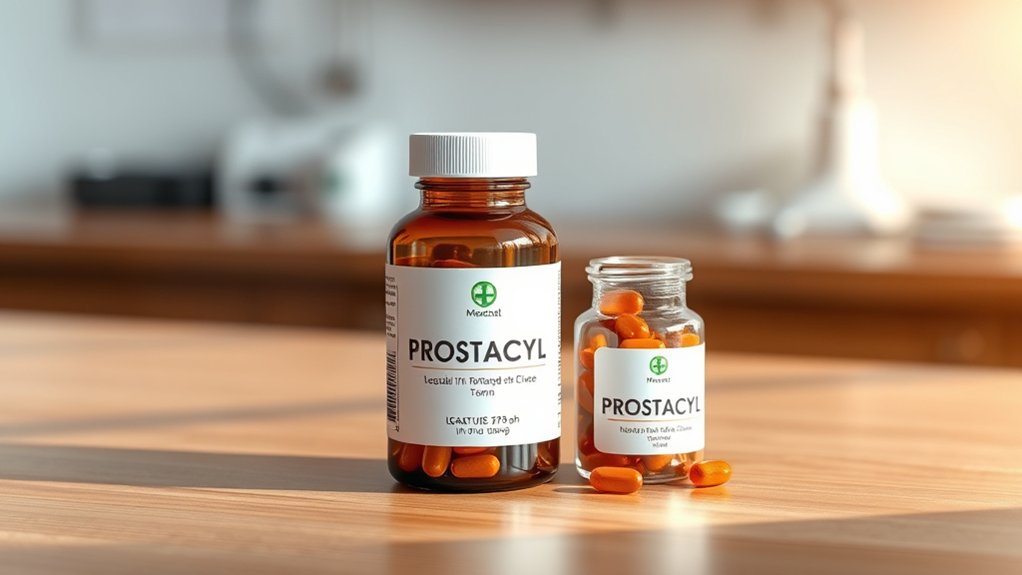
Prostacyl is often discussed not just for urinary comfort, but for whether it may support prostate size and related symptoms like weak stream, incomplete emptying, or pelvic discomfort. When you’re evaluating prostate health, you should separate “comfort” effects from true prostate shrinkage. Clinical evidence for most supplements is stronger for symptom support than for reducing measured prostate volume.
| Patient goal | What to watch clinically |
|---|---|
| Weak stream | Flow rate trends, urgency changes |
| Incomplete emptying | Post-void residuals, symptom diaries |
| Pelvic discomfort | Pain scores, nighttime frequency |
| Prostate size | Imaging/PSA only, not guesses |
| Overall comfort | International symptom scores |
If supplement efficacy is real for you, it’s usually modest and time-dependent; report outcomes to your clinician and avoid relying on supplements alone if symptoms worsen.
Prostacyl Review: Real Results From Users
- Less urgency during the day
- Fewer awakenings at night
- Stronger perceived stream
- Better sleep continuity
- Calm, measurable symptom change
Prostacyl Before and After: What Changes Are Typical
After you start Prostacyl, you’ll typically notice changes in lower urinary tract symptoms within the first few weeks, because most prostate-support formulas need time for ingredients to affect inflammation and urinary flow regulation. In day-to-day terms, you might experience fewer nighttime trips, less urgency, and improved stream steadiness—signals clinicians often link to better prostate health. Before starting, many people report bothersome frequency, hesitancy, or weak flow. After consistent use, symptom scores may begin shifting in a modest, measurable way, though individual responses vary. You may also feel better overall comfort, without abrupt “miracle” effects. For best expectations, track symptoms weekly and use evidence-based reasoning: supplement effectiveness tends to be gradual, not immediate. If symptoms worsen, seek medical care.
How Long Does Prostacyl Take to Work?
You’ll typically notice early Prostacyl effects within days, with more meaningful, measurable changes building over several weeks as your symptoms respond. How fast it works can vary based on factors like the severity of your condition, dosing consistency, and your overall health profile. If you’re not seeing expected progress after the usual timeframe, you should contact your clinician to review adherence and whether adjustments are needed.
Typical Timeline For Results
Typically, you’ll notice early changes within the first few weeks of using Prostacyl, but the full effect depends on how quickly your symptoms respond and how consistently you take it. Based on clinical-style expectations for supplement regimens targeting prostate-related urinary discomfort, your typical results often follow a staged expected timeline: early symptom relief first, then gradual improvement in flow and nighttime frequency as supportive nutrients accumulate. Tracking your baseline, then weekly updates, helps you gauge real response rather than day-to-day variation.
- Easier urination within 2–4 weeks
- Less urgency and nocturia by 4–6 weeks
- More stable stream around 6–8 weeks
- Continued improvement through 8–12 weeks
- Consistency supports your expected timeline and outcomes
Factors Affecting Prostacyl Onset
How long Prostacyl takes to work can vary, even when you’re following the same schedule, because symptom improvement depends on your baseline prostate and urinary tract status, the specific ingredients and their absorption in your body, and how consistently you take the product. If your symptoms flare around specific onset triggers, you may notice delayed or “blended” effects until the flare pattern settles. Lifestyle factors also matter: hydration level, caffeine/alcohol intake, constipation, sleep quality, and stress can influence urinary frequency and discomfort independently of supplements. People with more pronounced inflammation, older age, or concurrent urinary conditions may experience slower onset. Taking Prostacyl daily with meals as directed may support steadier blood levels and reduce variability. Track symptoms weekly to distinguish true response from day-to-day fluctuations.
Prostacyl Side Effects and Safety Considerations
What side effects should you watch for when taking Prostacyl, and how can you use that information to stay safe? In clinical terms, most supplements are evaluated for common, dose-related reactions, and you should monitor for changes soon after starting. Use safety precautions: keep consistent dosing, review your label, and stop use if symptoms are severe or persistent. Call a clinician promptly if you experience gastrointestinal upset (nausea, stomach pain, diarrhea), headache, dizziness, rash, or itching. Track timing and severity, and avoid doubling doses if you miss one. – Worrying rash or itching that doesn’t fade
- Persistent stomach pain or diarrhea
- New dizziness or severe headache
- Swelling, breathing trouble, or hives
- Feeling worse despite consistent use
Who Should Avoid Prostacyl or Check With a Doctor?
Before you start Prostacyl, it’s important to evaluate who may be at higher risk or who needs medical guidance first—especially if you have kidney or liver disease, a history of hormone-sensitive conditions, or you’re pregnant, trying to conceive, or breastfeeding. These Medical Conditions can change how supplements are metabolized and may increase Potential Risks.
You should also check with a clinician if you take blood thinners, have prostate cancer or high-risk symptoms, or are using medications that affect hormones or inflammation. If you’ve had recurrent urinary retention, significant blood in urine, or worsening lower urinary tract symptoms, don’t self-treat—get prompt medical assessment. Even if Prostacyl is marketed as natural, safety depends on your baseline health, drug interactions, and symptom severity.
Is Prostacyl Worth It Compared to Other Prostate Supplements?
Is Prostacyl worth it compared with other prostate supplements? You’ll only be confident if you weigh evidence against quality, safety, and clinically meaningful outcomes. In Prostacyl comparisons, look for standardized extracts, transparent dosing, and third-party testing; many prostate supplement alternatives lack these safeguards or show mixed, small trials. If you have lower urinary tract symptoms, you should also consider that lifestyle and guideline-based care (e.g., watchful waiting, alpha-blockers when appropriate) may outperform supplements. Ask your clinician whether Prostacyl’s ingredient profile fits your risk factors and medication list.
- Fewer unknowns with testing and labeling
- Consistent dosing for measurable effects
- Lower side-effect risk with evidence-backed ingredients
- Realistic expectations for symptom relief
- Clear plan if symptoms worsen
Common Questions
Is Prostacyl Safe for Long-Term Daily Use?
Yes, Prostacyl may be safe for long-term daily use for many people, but you shouldn’t assume it’s risk-free. Evidence on long-term effects and outcomes is limited, so the safest approach is to use it as directed and monitor symptoms. Look at real user experiences, but weigh them against clinical guidance. If you have prostate conditions, take other meds, or develop side effects, talk to your clinician before continuing daily use.
Can I Take Prostacyl With Saw Palmetto or Other Prostate Supplements?
Yes, you *might* be able to take Prostacyl with saw palmetto, but you should be cautious with supplement combinations. Evidence for additive benefit is limited, and stacking multiple prostate health products can increase side effects (e.g., GI upset) or interact with meds like anticoagulants or hormone therapies. Talk to your clinician before combining, especially if you have BPH, take blood thinners, or have surgery planned.
Does Prostacyl Interact With Blood Pressure or Diabetes Medications?
Yes—Prostacyl may affect people using blood pressure or diabetes medications, so you should check first. Think of your meds like traffic lights: adding another “vehicle” can change timing. Evidence is limited, so we can’t guarantee safety. If you take antihypertensives, watch for dizziness or low BP. If you use insulin or sulfonylureas, monitor glucose for diabetes medication effects. Talk to your clinician or pharmacist before starting.
Is Prostacyl Suitable for Vegetarians or Vegans?
Yes—Prostacyl is generally suitable if you follow vegetarian and vegan diets, but you should verify the exact formulation. Look for transparent vegetarian ingredients and, ideally, vegan certifications on the label or manufacturer documentation. Evidence-based guidance: confirm there are no animal-derived excipients or gelatin in capsules and check for allergens. If you’re strict vegan, contact the manufacturer before starting, especially if you have sensitivities.
Where Is Prostacyl Manufactured, and Is It Third-Party Tested?
Prostacyl’s exact manufacturing location isn’t always publicly specified on the label, so you should check the product insert or manufacturer’s website for the facility address. For third-party testing, look for explicit claims, such as independent lab certificates or verification aligned with good manufacturing standards and clear testing protocols. If those details aren’t provided, treat the evidence as limited and ask the manufacturer directly for documentation of batch testing.
Overall
You might notice steadier urine flow and fewer nighttime trips if Prostacyl is a good fit, but evidence is still limited and individual results can vary. If you’re considering Prostacyl, use it as a supportive step—pay attention to how your symptoms change over the first few weeks, and don’t treat it as a replacement for medical care. If anything feels worse or doesn’t improve, reassess your plan and consider asking a healthcare professional for guidance.
If you have worsening urinary symptoms, blood in your urine, fever, or you’re unable to urinate (or experiencing severe retention), stop self-managing and talk to a clinician right away to rule out prostatitis or obstruction. Take action today: review your symptoms, consider Prostacyl responsibly, and get the right care when it’s needed.