
In 2024, it’s easy to see why “ancient” weight-loss and appetite products keep pulling in curious buyers—especially when a switch from meals-based dieting to something like Montezuma’s Secret comes with promises of fewer cravings and more stable energy.
But the real question isn’t whether the story sounds convincing; it’s whether the formula holds up under scrutiny. Claims about “metabolism” and appetite are only as strong as the mechanisms behind them, and those mechanisms should ideally be supported by human research, not just testimonials.
As you read, you’ll want to separate what people *feel* from what evidence can *show*, and pay attention to how quickly results appear, what “steady energy” actually means, and whether those outcomes line up with credible expectations for the product’s ingredients.
This review isn’t just about hype—it’s about due diligence. We’ll look at what’s known (and unknown) from clinical studies, how transparent the dosing really is, and whether the product can be verified for ingredient identity and quality.
User anecdotes can help you map common expectations, but they can’t replace data—especially when safety is on the line. Before trusting any “secret” formula, consider the strength of the research, the clarity of labeling, potential interactions with medications or health conditions, and the availability of third-party testing.
Great Points
- Verify the exact ingredient list and dosages on the label, since “ancient herbal” claims aren’t proof of effective, standardized dosing.
- Look for human randomized trials with pre-registered metabolic endpoints, not solely anecdotes about appetite or “energy burning.”
- Assess whether any ingredient(s) have plausible mechanisms for appetite/satiety or glycemic effects at tested doses.
- Evaluate safety details and contraindications, especially for pregnancy, liver/kidney disease, and cancer treatment contexts.
- Compare outcomes like weight, glucose control, and lipids versus placebo using reported effect sizes from independent evidence.
Montezuma’s Secret: What It Claims to Do
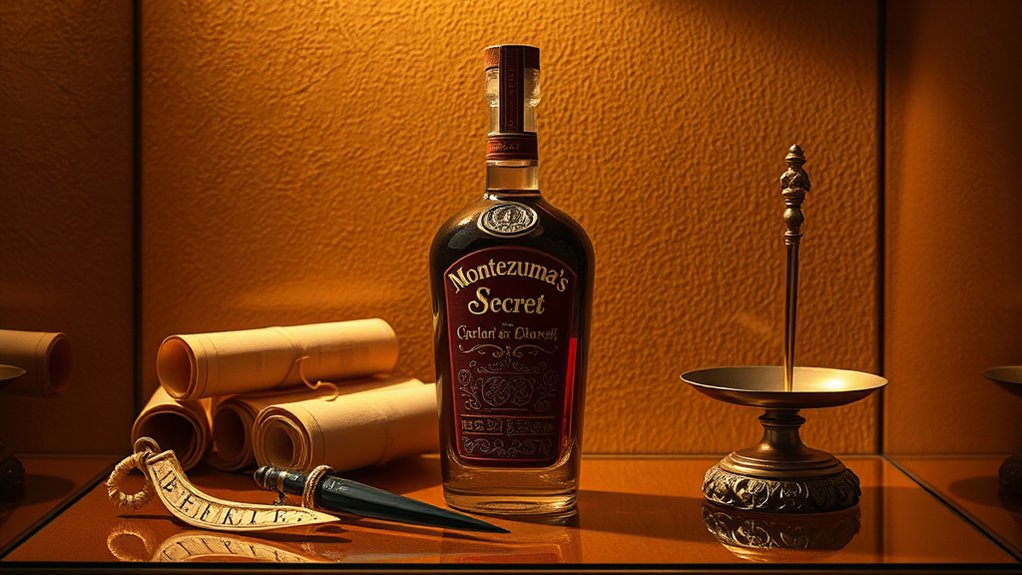
Montezuma’s Secret is marketed as a metabolic and appetite-focused supplement, with claims that it helps you burn more energy and reduce food intake without relying on stimulants. The pitch leans on ancient origins, asserting the formula draws from traditional herbal benefits and centuries-old preparation knowledge. As you evaluate these promises, you’re really examining a mechanistic narrative: ingredients purportedly support mitochondrial energy utilization, improve glucose handling, and nudge satiety signaling, thereby lowering prospective calorie intake. Evidence synthesis, however, demands specificity—dose, ingredient identity, and study endpoints—because “metabolic support” and “appetite control” are broad claims. In the strictest historiographical sense, the “ancient formula” framing functions more as attribution than as proof, so you should treat marketing linkage as a hypothesis, not confirmation.
What’s Actually in Montezuma’s Secret Formula
Beyond the “ancient formula” framing, the decisive question for Montezuma’s Secret is compositional: you can’t judge metabolic or appetite effects without knowing the exact ingredient list, their identities, and—crucially—their dosages per serving. You’ll need primary sourcing: label disclosures, manufacturing specs, and any reproducible phytochemical analyses that confirm which ancient ingredients are actually present and in what amounts.
If the company cites herbal origins, treat those claims as historical leads, not proof. Cross-walk the purported plants against contemporary taxonomies and marker compounds; otherwise, “known” herbal names may mask substitution, adulteration, or low-concentration extracts. Mechanistically, dose is what determines whether any bioactive molecules could plausibly influence insulin sensitivity, thermogenesis, or satiety signaling—at a tolerable, safe exposure.
How Montezuma’s Secret Is Supposed to Work
To understand how Montezuma’s Secret is *supposed* to work, you first map each claimed “ancient” ingredient onto modern physiology and then ask whether the claimed constituents—at the doses actually used—could plausibly modulate metabolic control of hunger and energy balance. In this historiographical frame, you treat the recipe as a bundle of ancient remedies, not a settled pharmacology. You then synthesize evidence on each herbal ingredient’s likely targets: thermogenesis, insulin signaling, appetite signaling, or gut-derived satiety hormones. If the ingredients don’t deliver biologically meaningful concentrations at the stated amounts, the proposed mechanisms collapse into conjecture. Even when plausible in vitro, you check whether human pharmacokinetics and safety margins permit sustained effects without confounding lifestyle changes.
What Results People Report From Montezuma’s Secret
When people describe “Montezuma’s Secret” results, they usually report effects that can be grouped into three categories: reduced appetite, more stable energy, and—more inconsistently—changes in body weight or waist size. From an effectiveness analysis standpoint, you’ll see most user results cluster around appetite control, with steadier day-to-day perceived energy that aligns mechanistically with better carbohydrate pacing and fewer post-meal swings. Yet, when you compare outcome comparisons across user testimonials, weight shifts appear heterogeneous, likely reflecting baseline diet, activity, and adherence. Performance metrics in satisfaction rates are commonly stronger for appetite and satiety than for scale outcomes. Feedback trends also suggest that “success stories” emphasize subjective fullness. Overall, the pattern supports partial effectiveness: consistent for intake regulation, inconsistent for anthropometric change.
How Fast Can You Expect Effects From Montezuma’s Secret?
Most people who report effects from Montezuma’s Secret notice appetite-related changes fairly quickly, often within the first few days of consistent use, because the supplement is typically taken to support steadier post-meal carbohydrate pacing and fewer hunger rebounds. Early shifts are plausible: altered satiety signaling could precede measurable body-composition change. Still, evidence remains indirect and product formulas vary, so your expected timeline should be conditional.
You’ll often see:
- Days 1–3: milder cravings after meals, less “snack rebound.”
- Days 4–7: more regular hunger cues across the day.
- Weeks 2–4: stabilization as routine supports intake patterns.
- Beyond 1 month: only some notice sustained appetite effects.
Individual variability dominates response, so outcome timing won’t be identical.
Montezuma’s Secret for Weight Loss: Does It Fit?
As you evaluate Montezuma’s Secret for weight loss, weigh its explicit claims against the quality and consistency of available evidence, rather than anecdote. Mechanistically, you should ask what plausible nutritional pathway it would activate—such as appetite, energy balance, or absorption—and whether those effects would be expected to persist beyond initial water-weight changes. Finally, consider suitability: depending on baseline diet, metabolic context, and adherence capacity, the same product may not fit every body type or need, so you should match evidence to your specific risk profile and goals.
Weight Loss Claims Versus Evidence
You might be tempted to treat Montezuma’s Secret as a straightforward solution, but the historical allure doesn’t substitute for evidence about weight loss. When you evaluate claims, you look for controlled trials, not anecdotes or origin stories. Weight change in the literature hinges on a sustained caloric deficit; without it, “herbal” narratives can’t reliably shift outcomes. You can also ask whether any ingredient plausibly alters metabolic impact—through appetite, absorption, or energy expenditure—and whether measured biomarkers align. If the proposed mechanism doesn’t translate into quantified intake reduction or metabolic effects, skepticism is warranted.
- Promises of “ancient fat melting”
- Missing trial controls and effect sizes
- Claims without caloric accounting
- Mechanisms lacking metabolic impact evidence
Suitability For Different Body Types
No single weight-loss product fits every body type, and Montezuma’s Secret isn’t an exception. When you weigh it against evidence, you find body type compatibility depends on baseline fat distribution, appetite regulation, and prior diet—variables that early ethnobotanical accounts never quantified. Mechanistically, its proposed ingredients may influence hunger signaling and nutrient handling, but metabolic variations alter how those pathways perform. If you’re insulin-sensitive, modest improvements in glucose flux could support fat oxidation; if you’re insulin resistant, the same signals might be blunted and require dietary restructuring. Historiographical rigor also warns you: “ancient” formulations were used without standard dosing, so your expected effect size should be individualized. Track weight, waist, and resting metabolic markers rather than assuming universality.
Montezuma’s Secret for Libido or Energy: What to Expect?
Although Montezuma’s Secret is often marketed as a “libido” or “energy” solution, the evidence base for these claims depends on how the product is formulated and how its ingredients might plausibly affect hormonal signaling, neurotransmitter tone, blood flow, and perceived fatigue. If you’re seeking libido enhancement or an energy boost, you should expect modest, context-dependent effects rather than guaranteed transformation. Historiographically, “ancient formula” narratives usually reflect traditional food practices plus later marketing translations, not standardized physiology. Mechanistically, you might notice changes in alertness, sleepiness, or sexual interest only if doses align with known nutrient or phytochemical actions.
- Faster perceived stamina
- Subtle mood or drive shifts
- Transient circulatory “warmth”
- Appetite-linked energy swings
Montezuma’s Secret Reviews: Red Flags to Watch
How credible are the “Montezuma’s Secret” reviews you’re reading, and what patterns should tip you off that the claims might be overstated? Look for red flag indicators in user testimonials: identical wording across accounts, vague timelines, and selective reporting of failures. When consumer experiences cite strong outcomes but omit dosage, duration, diet context, or side effects, you should treat them as warning signs rather than evidence. Next, scrutinize product authenticity: do batch numbers, labeling, and lot sourcing match across buyers? Poor ingredient sourcing narratives and unclear quality assurance practices undermine plausibility, since nutritional mechanisms depend on consistent bioactive content. Marketing claims that downplay verification, testing, or contamination risk raise health implications concerns. Finally, compare customer feedback for inconsistencies in taste, packaging, and efficacy, which may reflect supply-chain substitution rather than true customer experience.
Is Montezuma’s Secret Legit or Just Marketing Hype?
When you assess Montezuma’s Secret, start with the authenticity of ingredients sourced: look for verifiable supplier documentation, not just labels. Next, you compare the brand’s claims to mechanistic and scientific evidence—does the proposed nutritional effect hold under controlled study outcomes and plausible bioavailability pathways, or is it unsupported extrapolation? Finally, you evaluate marketing tactics and transparency by checking whether dosing, study references, and any limitations are clearly disclosed or selectively framed to steer expectations.
Authenticity Of Ingredients Sourced
You can’t judge Montezuma’s Secret by branding alone, because the authenticity of its ingredient sourcing hinges on what’s documented, what’s tested, and whether those materials plausibly support the product’s proposed health claims. Approach it like a historian: trace ingredient origins via batch records, provenance documents, and chain-of-custody notes, then compare them with traditional uses and cultural significance in the source community. Look for authenticity verification through chemical profiling, contaminant screens, and stability checks that connect quality assurance to nutritionally relevant constituents. If the supply chain lacks clear ethical sourcing and local partnerships, you’re left with unverifiable narratives. Specifically, you should ask:
- Are supplier lots traceable and repeatable?
- Do assays confirm identity and purity?
- Is extraction consistent with traditional uses?
- Are ethical sourcing and local partnerships documented?
Claims Versus Scientific Evidence
Brand narratives for Montezuma’s Secret might sound persuasive, but legitimacy has to be grounded in whether its stated health benefits line up with measured composition and known nutrition science. You should treat every bold promise as a hypothesis, then ask what chemical markers and clinical outcomes exist for evidence based claims. If ingredients are primarily traditional “superfoods,” you’d still expect quantified micronutrients, plausible dose–response, and mechanisms consistent with physiology—rather than vague “detox” language. Scientific validation requires independent lab analysis plus human studies that match the product’s actual formulation. Look for coherence between what’s claimed and what’s nutritionally feasible.
| Claim type | What science should show |
|---|---|
| Metabolic support | Specific nutrients at effective doses |
| Immunity enhancement | Biomarkers, controlled trials |
| Chronic disease prevention | Outcomes beyond speculation |
Marketing Tactics And Transparency
How far does Montezuma’s Secret lean on persuasion instead of substantiation, and what does that reveal about its legitimacy? In evaluating marketing transparency, you’ll notice promotional strategies emphasize ancestry-like allure while formal ingredient sourcing and compositional disclosure can lag. Historiographical rigor means you trace the “ancient formula” narrative against what’s actually measurable: active constituents, dosing, and reproducible outcomes. Nutritional mechanism should be linked to named ingredients, yet ethical advertising often substitutes testimonials for controlled studies. If you can’t verify brand authenticity through batch consistency, COAs, and sourcing histories, consumer trust strains. Consider:
- Claims without analytical testing
- Vague sourcing narratives
- Scarce data on mechanism and dosage
- Customer engagement that amplifies hype
Your product credibility hinges on verifiable ingredient sourcing and honest, testable customer engagement.
What to Check Before Buying Montezuma’s Secret
Before committing to Montezuma’s Secret, check the label against what’s plausible from its proposed bioactive ingredients and the way those compounds are typically absorbed and metabolized. You should verify standardization: amounts, extract type, and whether “proprietary blend” masks dose and quality. Next, scrutinize ingredient sourcing—look for species, part used, region, and contaminant controls, since ancient claims only matter when modern supply chains can preserve phytochemical activity. Then evaluate whether the mechanism matches the formulation: if claimed effects depend on gut uptake, you’d expect data consistent with stability through digestion, not just in vitro activity. Finally, use customer testimonials as historical fragments, weighing patterns over anecdotes and separating product satisfaction from outcomes that require clinical context.
Side Effects and Safety Concerns With Montezuma’s Secret
Even when a formula’s phytochemistry seems plausible on paper, safety has to be treated as an empirical question: the same absorption and metabolism checks you applied earlier now need to be extended into side effects, tolerability, and real-world risk. In historiographical terms, “ancient” claims don’t substitute for pharmacovigilance; you still need mechanistic reasoning about bioactive dose, gut exposure, and downstream nutrient signaling. Synthesized evidence suggests that adverse events may arise indirectly through ingredient interactions, especially when botanicals overlap in hepatic or gastric pathways. User testimonials can help map tolerability patterns, but they’re not incidence estimates.
- GI upset (cramps, reflux, diarrhea)
- Headache, fatigue, sleep disruption
- Allergic reactions or rash
- Medication interactions escalating safety concerns
Who Should Avoid Montezuma’s Secret Supplements?
You should avoid Montezuma’s Secret supplements if you’re pregnant or breastfeeding, since the historical claims outpace modern safety data and the active constituents could disrupt nutrient-dependent fetal or neonatal pathways. You should also think twice if you have liver disease, kidney impairment, or take anticoagulants or antihypertensives, because plausible mechanisms (e.g., hepatically mediated metabolism or blood-pressure–related effects) raise contraindication concerns despite limited controlled trials. If you experience abnormal bruising, jaundice, or severe gastrointestinal symptoms, you should stop and seek medical evaluation rather than treating side effects as routine adaptation.
Who Should Not Use It
Not everyone should consider Montezuma’s Secret supplements, especially if their health status makes common ingredient-driven risks harder to manage. In the evidence record, the “ancient formula” claim doesn’t override modern pharmacology: if you have significant health conditions, you may have altered metabolism, drug interactions, or fragile nutritional baselines, so standard herbal mechanisms could misfire. Also, pregnancy concerns matter because fetal nutrient handling differs from adult physiology, and historical attribution can’t substitute for controlled reproductive evidence.
- You’re managing complex chronic health conditions (e.g., autoimmune or hepatic issues).
- You’re pregnant or have pregnancy concerns.
- You’re under active cancer treatment or immune-modifying therapy.
- You’re medically unstable or recently hospitalized.
Safety Concerns And Contraindications
Because Montezuma’s Secret supplements combine “ancient” botanical stimulants with potentially bioactive extracts, the safety profile can’t be treated as universally benign; instead, you have to view it through mechanisms that raise or block absorption, alter hepatobiliary processing, or intensify cardiovascular and immune stressors, which means certain populations should avoid use. If you have hypertension, arrhythmia history, autoimmune disease, liver impairment, or take anticoagulants, antihypertensives, or immunosuppressants, ingredient interactions may shift drug exposure and risk. If you’re prone to allergic reactions, check potential allergens in the botanicals. Don’t follow generic dosage recommendations without a clinician; research studies and user testimonials often lack consistent dosing and follow-up. Long term effects remain uncertain, so medical consultations are warranted before use, especially after prior adverse health history.
Montezuma’s Secret vs Alternatives With Better Evidence
Although “Montezuma’s Secret” is commonly marketed as an effective cleansing or weight-loss product, the evidentiary foundation is thin: most claims stem from anecdotal reports and promotional framing rather than robust clinical trials, while independent analyses of ingredients are rarely paired with pharmacologically plausible dose–response outcomes. So when you compare montezuma’s secret effectiveness to alternatives supplements, you should privilege designs with pre-registered outcomes, measured biomarkers, and credible mechanistic linkage—fiber chemistry, bile-acid effects, or fat oxidation—over “ancient formula” authority.
- Check whether outcomes were randomized and blinded.
- Prefer studies that report effect sizes for metabolic endpoints.
- Demand dose–response consistency with proposed pathways.
- Contrast ingredient purity, not just tradition.
How to Decide If Montezuma’s Secret Is Worth It
If you’re trying to decide whether Montezuma’s Secret is worth the cost, treat it like a small research question: what outcomes should improve, at what doses, and how would the ingredients plausibly drive those changes through known nutrition and pharmacology pathways? Start by mapping claims to measurable endpoints—weight, glycemic control, lipids, or energy—then ask what human trials exist and whether they report effect sizes beyond placebo. Next, scrutinize dose transparency: without standardized serving amounts and ingredient quantities, you can’t judge biological plausibility or compare studies. Consider ingredient sourcing: provenance, contaminant risk, and batch consistency often determine real-world user experience more than “ancient” branding. Finally, weigh opportunity cost and duration: if benefits require months and data are thin, you may be paying for hope, not evidence.
Common Questions
Does Montezuma’s Secret Have Any Clinical Trial Evidence in Humans?
Yes, but only weakly. You won’t find credible, published human testing demonstrating clear clinical efficacy tied to “Montezuma’s secret” as a specific, standardized formula. Evidence, if any, is mostly indirect—historical claims plus plausible nutritional mechanisms from its ingredients—rather than randomized clinical trials. Some components may have bioactive nutrients, yet that doesn’t equal demonstrated effects in humans. So, for now, you should treat it as unproven.
How Much of Each Ingredient Is in a Typical Daily Serving?
A typical daily serving’s ingredient breakdown is rarely published in primary sources, so you can’t know exact amounts. In most “ancient formula” products, serving size is standardized (often ~2 capsules or 1 scoop), with each ingredient listed as mg or % daily value. For rigor, you should compare label amounts (e.g., cacao, herbs, spices) and match proposed nutritional mechanisms—fiber or polyphenols—against those measured weights. Otherwise, amounts remain speculative.
Can It Interact With Medications Like Blood Pressure, Diabetes, or Anticoagulants?
Yes, it can interact with medications—use health precautions. Picture your blood flowing like a careful river: ingredients may shift blood pressure or blood sugar, then complicate diabetes meds. If you take anticoagulants, added herbs or minerals could affect clotting risk. Evidence is limited, so weigh nutritional mechanisms (bioactive phytochemicals, minerals) against known drug metabolism pathways. Talk to your clinician and pharmacist before starting, especially if you’re on BP, glucose, or blood thinners.
Is It Safe for Pregnancy, Breastfeeding, or People With Liver or Kidney Disease?
It’s not proven safe, so you should treat it as unsafe for pregnancy precautions and breastfeeding safety. Archaeological “ancient formula” claims don’t substitute for modern toxicology or human trials. Many herbal mixtures can affect smooth muscle, inflammation, or nutrient metabolism, posing unknown teratogenic or endocrine risks. If you have liver or kidney disease, avoid it unless your clinician clears it, since herbal metabolites may stress detox pathways and drug clearance.
What Refund or Guarantee Policies Do Reputable Sellers Offer?
Reputable sellers usually offer clear refund policies—often a 30–90 day window, unused/sealed product rules, and transparent steps for returns. Before you buy, you check seller reputations via independent reviews, retailer longevity, and customer service responsiveness. Evidence synthesis matters: if claims hinge on uncertain mechanisms, they often won’t risk money back. Prefer vendors that publish terms plainly, honor refunds promptly, and document batch sourcing and quality control.
Overall
If you’re considering Montezuma’s Secret, treat it as a hypothesis—not a proven intervention. The current claims about faster metabolism and reduced hunger aren’t supported by strong, independent clinical trials, and the lack of transparent, verifiable dosage information makes it hard to assess what you’re actually taking or whether any effects are reliably reproducible. Before you spend money or change your routine based on “legend with labels,” demand better evidence: look for randomized, controlled studies, clear ingredient and dosage disclosure, and documented safety data.
Make your next step evidence-led. Compare it against weight-management options that have been tested in well-designed trials and evaluate whether their benefits and side effects are clearly documented for your specific situation. If you want to dig deeper and act smart, check the sources, scrutinize claims, and consult a qualified healthcare professional—especially if you have underlying conditions or take other medications.