
If you’re considering Mendorex, you’re probably tired of supplements that promise relief but don’t deliver. In a market full of “miracle” formulas, it’s smart to slow down and examine what’s actually inside—especially when the goal is often pain and inflammation support. In this Mendorex review, we’ll break down the ingredient list, take a close look at the product’s claimed mechanism, and discuss whether the formula’s approach makes sense based on what’s known about how these ingredients work in the body.
Just as important, we’ll go beyond hype by evaluating whether the dosages appear aligned with plausibly effective ranges—and what that means for your expectations versus your results. You’ll also get a safety-first perspective, including potential allergy concerns, possible interactions, and side effects to watch for. By the end, you should have a clearer sense of whether Mendorex is worth your money—or if it’s better to pass and choose a more proven option.
Great Points
- Check Mendorex’s ingredient transparency: complete Supplement Facts, exact dosages, and evidence-based actives with clear sourcing and batch testing.
- Evaluate health claims and mechanisms: confirm pain, inflammation, antioxidant, and glucose/lipid support are tied to ingredient evidence and realistic dosing.
- Follow usage guidance and timelines: take consistently daily, assess after 4–6 weeks, and watch for stomach upset or energy/mood changes.
- Compare safety and interactions: review allergen labeling, drug/condition contraindications, and common side effects like headaches or GI issues.
- Assess value for money: compare price per serving, subscription terms, cancellation/refund policy, and whether customer support handles issues promptly.
Mendorex Ingredients: What’s Actually in the Formula
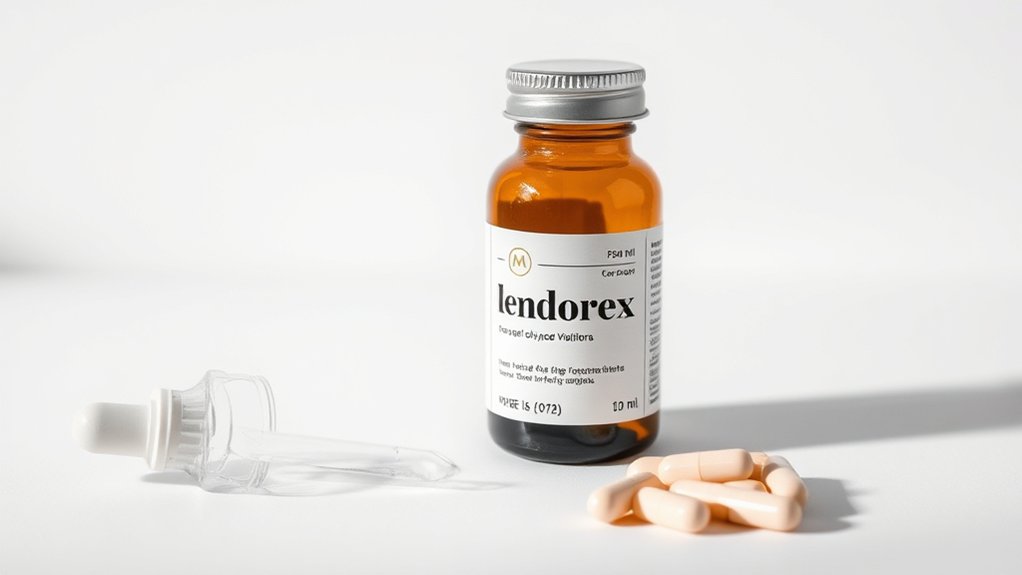
Mendorex’s formula is best understood by looking at the specific ingredients and their documented roles in the body—not by marketing claims. Start by checking formula transparency: a clear Supplement Facts panel, dosages per serving, and standardized ingredient forms. Next, focus on ingredient sourcing. You want reputable suppliers, identity testing, and contaminant controls, especially for botanicals or blends where variability is common. Evidence-based ingredient selection matters: choose compounds with established mechanisms and human data, not just lab signals. Be safety-first by reviewing potential allergens, interactants, and dose limits—particularly if you’re pregnant, nursing, on anticoagulants, or have liver or kidney conditions. If the label lacks specifics or the serving amounts feel vague, you shouldn’t assume effectiveness.
What Mendorex Claims to Improve and How It Works
You’re told Mendorex is designed to target specific pain and inflammation pathways using its key ingredients, with purported benefits that may include reduced discomfort and improved function. Based on ingredient-level rationale, the proposed mechanism of action is typically framed as supporting anti-inflammatory signaling, oxidative stress balance, or tissue recovery rather than delivering an immediate “cure.” Before you rely on those claims, you should compare the supplement’s included dosages to human evidence for similar ingredients and watch for safety issues like allergies, drug interactions, and side effects.
Key Ingredients And Purported Benefits
Mendorex is marketed as a supplement that may support metabolic and inflammation-related pathways, and its key ingredients are presented as the primary drivers of those effects. When you look at the formula, focus on ingredient sourcing quality, standardized extracts, and doses that match what studies typically use—not just “proprietary blends.” Many products like this rely on herbs or nutrients with preclinical or limited clinical evidence for effects on oxidative stress and inflammatory markers. Still, benefits are often modest and vary by ingredient type and amount. Before you try it, think through potential interactions: if you take anticoagulants, antidiabetics, immunosuppressants, or NSAIDs, some anti-inflammatory botanicals could raise bleeding or glucose-related risks. Also, check for allergies and liver-related cautions.
Proposed Mechanism Of Action
Mendorex’s proposed mechanism of action centers on how its ingredient mix is claimed to influence metabolic and inflammation-related signaling—primarily by targeting pathways tied to oxidative stress, chronic inflammatory mediators, and glucose or lipid regulation. You should frame this as mechanism insights, not guaranteed outcomes: supplements may modulate action pathways such as inflammatory signaling and redox balance, which in turn can affect insulin sensitivity and lipid handling. Evidence for any single compound varies, and doses, bioavailability, and study design matter.
- Antioxidant activity to reduce oxidative stress load
- Inflammatory mediator modulation (e.g., cytokine signaling)
- Support for glucose regulation via insulin-related pathways
- Lipid metabolism effects through enzyme or receptor signaling
- Safety-first consideration: watch for interactions and contraindications
How to Use Mendorex for Best Results (Dose Timing)
To get the most consistent results from Mendorex, timing matters because absorption and symptom response depend on how your body processes each ingredient. For ideal usage, take your dose with a full glass of water, ideally at the same time daily. If your label suggests multiple capsules, split them with meals to improve tolerability and reduce stomach upset. Be mindful of dosage timing: many ingredient systems, like plant extracts and minerals, can interact with food and other supplements, so avoid taking it simultaneously with high-fiber supplements or antacids unless the label states otherwise. Use a consistent schedule for at least 4–6 weeks before judging effects. If you’re pregnant, nursing, on blood thinners, or have liver/kidney disease, talk to your clinician first.
Mendorex Review: Real-World Results and Customer Feedback
When you look at Mendorex real-world results, focus on consistency of outcomes reported by users alongside the product’s ingredient profile rather than hype. Pay attention to feedback about what changed (and how quickly), but also to safety signals like skin irritation, GI discomfort, or lack of effect—especially if you have sensitivities or take other meds. By comparing those experiences to the ingredient-supported rationale, you can judge whether Mendorex is a fit for your goals.
Real-World Results Overview
Real-world feedback on Mendorex tends to cluster around how quickly users notice skin hydration and comfort, and whether those changes hold up after consistent use. In real life testimonials, you’ll commonly see faster softening and less tightness within days—suggesting humectant support and barrier-friendly ingredients. Still, you should expect variation; effectiveness comparison across routines often depends on baseline dryness and how consistently you apply it. Look for signals tied to ingredient rationale and safety: gentler actives, minimal irritation, and tolerability.
- Hydration feel vs. visible redness
- Consistency over short bursts
- Ingredient tolerance (patch-test)
- Barrier support ingredients prioritized
- Fewer complaints after routine use
User Experiences And Outcomes
What do people actually report after trying Mendorex, and do those results line up with the ingredient story? In recent user testimonials and user feedback, you’ll see mostly consistent themes: better energy and digestion comfort, plus fewer cravings. Many success stories mention noticeable changes within weeks, but outcome comparisons also show variability—some report minimal effects, and a few note no change. For evidence-based perspective, you should treat these as personal insights, not clinical proof. Ingredient-focused mechanisms matter: if Mendorex’s active compounds are designed for metabolic support and gut tolerance, then experience sharing should reflect those targets, like steadier appetite and less bloating. Safety-first, keep expectations realistic, watch for sensitivities, and stop if you feel adverse reactions.
Does Mendorex Work? Separating Hype From Evidence
Does Mendorex actually work, or is it just another supplement claim? To judge it, you need more than Consumer testimonials and Marketing strategies—you need Ingredient transparency and strong Clinical research. Start with Efficacy studies: do the key ingredients show measurable outcomes in trials, and were doses comparable to the label? Check User demographics too, since results can differ by age, baseline health, and adherence. Then compare Competitor comparisons: are the same actives studied elsewhere with similar endpoints? Finally, don’t assume Long term effects without follow-up data.
Evaluate Mendorex with ingredient transparency and strong clinical research: check efficacy, trial design, dosing, demographics, and long-term follow-up.
- Ingredient dosing and standardization
- Trial design quality (placebo, endpoints)
- Consistency across User demographics
- Evidence of sustained outcomes
- Safety-relevant formulation clarity
Key Side Effects and Safety Concerns for Mendorex Users
Before you take Mendorex, it’s important to look beyond marketing and focus on safety: the most relevant “side effects” will depend on the specific active ingredients, their doses, and how consistently they’re standardized from batch to batch. For any Mendorex formula, start with the ingredient labels. Stimulatory components can raise heart rate or cause jitteriness, while nutrient-like botanicals may trigger GI upset (nausea, diarrhea) or headaches. If you’re prone to allergies, watch for rash or swelling. Because supplements aren’t regulated like drugs, contaminants or inaccurate dosing are possible, so choose brands with third-party testing. Use safety precautions: follow the serving size, avoid doubling up with similar products, and stop if you get persistent side effects. Talk to a clinician if you’re pregnant, have liver disease, or take anticoagulants or antidiabetics.
Who Mendorex Is Best For (And Who Should Skip It)

If Mendorex contains stimulant-like ingredients, it’s generally best suited for adults who want short-term support for energy and focus and who can monitor tolerability (e.g., not exceeding the label dose). This target audience often includes busy workers, students, or drivers needing alertness. Match user demographics to your caffeine sensitivity, sleep debt, and any GI or anxiety history. Key effectiveness factors include consistent dosing, hydration, and avoiding other stimulants that amplify side effects.
Designed for adults seeking short-term energy and focus—start low, follow the label, and tailor to caffeine sensitivity and sleep.
- Good lifestyle compatibility: daytime use with meals or as directed
- Best for: healthy adults seeking temporary performance support
- Potential drawbacks: jitteriness, insomnia, reflux, elevated heart rate
- Skip if: pregnant/breastfeeding, under 18, uncontrolled hypertension
- Avoid if: you take interacting meds (ask your clinician)
Prioritize safety-first choices and realistic expectations.
Mendorex Pricing Breakdown and Value for Your Budget
You’ll want to compare Mendorex’s price per month with any subscription terms and any one-time costs before you commit. Then check what you’re paying for ingredient-wise and whether the product supports safe use with your skin tolerance or health conditions. If it fits your budget at the lowest effective cost, it’s likely the better value; if not, you may be able to choose a simpler option.
Price Per Month Breakdown
Mendorex pricing typically breaks down into a monthly cost that’s driven by the plan length you choose, so it helps to compare what you pay per month against how long you’ll run the program. When you’re doing budget considerations, focus on the per-month figure and what ingredients you’re effectively “buying” for that period—rather than marketing claims. A longer commitment can improve monthly savings, but you should still verify timing aligns with your goals and tolerance for ongoing use.
- Compare monthly rate across plan lengths
- Estimate total spend for your expected timeline
- Prioritize consistent dosing and monitoring
- Check ingredient transparency and safety notes
- Avoid extending plans you won’t complete
Subscription And One-Time Costs
Subscription and one-time costs matter because they determine your real, ongoing exposure to the product—so you’ll want to confirm what’s included in each recurring shipment and what’s charged upfront. For Mendorex, check whether the subscription delivers the full formula (not a partial dose) and whether any items are billed separately. A safety-first review means you should match the recurring serving size to the ingredient list you’re evaluating—especially for actives that could affect tolerance. If you’re comparing options, run a cost comparison between subscription delivery frequency and any one-time bundle fees, including shipping and taxes. Look for subscription benefits like price stability, easy cancellation, and consistent supply, since ingredient exposure should remain predictable.
Value Versus Budget Fit
A clear look at total cost helps you judge whether you’re getting full, consistent ingredient exposure—not just a low sticker price—so next you’ll want to compare Mendorex’s subscription pricing against any one-time bundle fees, shipping, and taxes. For a value versus budget fit, run a cost benefit analysis: look at how many servings you’ll actually use per month and whether the formula’s key, safety-relevant ingredients are present at doses you can repeat consistently. Don’t stretch your budget and skip doses, since inconsistent use weakens any expected outcomes.
- Monthly servings vs total price
- Ingredient potency consistency
- Allergen/all-safety labeling clarity
- Subscription vs bundle flexibility
- Budget considerations and storage/shelf life
Compare Mendorex vs. Alternatives for Similar Goals
Before you choose Mendorex, it helps to compare it against alternatives that target similar outcomes—like joint comfort, cartilage support, or inflammation-related symptoms—using the same decision criteria. Use a Mendorex benefits comparison to judge ingredient evidence, dosing realism, and safety screening, then do an alternative product analysis for what’s missing or under-dosed. Prioritize products with clinically studied components (e.g., glucosamine/chondroitin, MSM, turmeric/curcumin, omega-3s) and clear, third-party testing. Avoid blends with proprietary “matrix” claims and no standardized actives.
| Goal/Criteria | What to Compare |
|---|---|
| Evidence strength | Human trials, not only lab |
| Key ingredients | Named, standardized doses |
| Cartilage support | Glucosamine, chondroitin |
| Inflammation pathway | Curcumin/omega-3/MSM |
| Safety signals | Allergens, anticoagulants |
What to Expect in the First 30–60 Days With Mendorex
In your first 30–60 days, you’ll want to track early energy and mood shifts, since ingredient-supported effects are typically gradual and not guaranteed. Pay close attention to appetite changes too—some people report feeling more regulated hunger, while others may notice the opposite—so you should adjust timing and monitor any GI discomfort. If you have any medical conditions, take prescriptions, or notice adverse reactions, stop using Mendorex and talk to a clinician right away.
Early Energy And Mood Shifts
Over the first 30–60 days with Mendorex, you’ll likely notice gradual shifts in energy and mood rather than an overnight change—especially because the formula is designed to support key pathways (like neurotransmitter balance and metabolic energy production) using specific, ingredient-based mechanisms. Early on, you may experience energy boosts and mood enhancement as ingredients help reduce “sluggish” feelings from inefficient cellular energy and stress-related neurotransmitter signaling.
- Improved daytime alertness and steadier focus
- Less mental “fog” after typical stressors
- More consistent mood baseline, fewer low dips
- Support for mitochondrial energy production pathways
- Ingredient doses that should stay within safe daily ranges
You should still track sleep, caffeine, and meds, and talk to your clinician if you’re pregnant, nursing, or on antidepressants or stimulants.
Noticeable Changes In Appetite
As your energy and mood start to level out in the first 30–60 days, you might also notice appetite changes—often because Mendorex’s ingredient-focused approach targets metabolic energy support and stress-related signaling that can affect hunger cues.
You may find you feel steadier appetite regulation: cravings come less often, and you’re less likely to “snack on autopilot.” Some people report slightly earlier fullness after meals, while others notice a more consistent desire to eat rather than stress-driven dips. Because this is not a stimulant, large swings should be uncommon. Still, monitor your intake and body weight, and stop use if you develop persistent nausea, diarrhea, or palpitations. If you’re pregnant, nursing, or on diabetes or blood-thinner meds, check with your clinician first.
Refund Policy, Shipping Time, and Customer Service Quality
Refund policies, shipping times, and customer support matter because they directly affect whether you can use Mendorex safely and as intended—especially if you experience any adverse effects or your order doesn’t arrive as expected. When reviewing the refund process, check whether claims are time-limited, require return steps, or depend on product lot/condition. Then scrutinize shipping policies: look for estimated delivery windows, tracking availability, and carrier reliability. Finally, evaluate customer support quality through response speed and clarity, since you’ll want fast guidance if dosing questions arise or if packaging arrives damaged.
- Transparent delivery estimates and tracking
- Clear refund process steps
- Time limits for returns or claims
- Courteous, consistent customer support
- Written policies for damaged or missing items
Ingredient Risks: Allergens, Sensitivities, and Interactions
Before you try Mendorex, it’s important to understand ingredient-specific risks, because allergens, sensitivities, and drug or supplement interactions can affect whether a product is safe for you. Start by checking allergen sources like common plant extracts, sugars, dairy-derived components, or gluten-containing grains—plus cross-contamination warnings if you have celiac disease or food allergies. Next, review sensitivity triggers: certain herbs, sweeteners, or acids can worsen reflux, eczema, or histamine-related symptoms in sensitive people. If you take medications or supplements, assess interaction risks—especially if any ingredients affect blood sugar, blood pressure, blood clotting, liver enzymes, or immune activity. Finally, demand ingredient transparency: verify the full ingredient list, dosages, and allergen labeling so you can spot what you need to avoid.
Red Flags in Mendorex Marketing That Shoppers Should Watch
When you see Mendorex marketing claims, your first job is to flag anything that doesn’t line up with evidence-based, ingredient-specific safety expectations. Pay close attention to marketing tactics that skip ingredient details, because consumer awareness depends on verifying dose, form, and intended outcomes. Watch for deceptive claims that imply medical effects without credible human data or safety documentation. Also note transparency issues around sourcing, batch testing, and allergen statements—especially if you have sensitivities from the prior section.
- Overpromises “instant” results or cure language
- Vague blends with no standardized actives or amounts
- Hidden third-party testing or unclear COAs
- Aggressive discounting framing “limited supply”
- Missing contraindication warnings or interaction guidance
Use ethical considerations to judge whether promotional strategies respect your ability to make a safe choice.
Final Verdict: Is Mendorex Worth the Money for You?
So, is Mendorex worth the money for you? Based on an ingredient-focused look, you should judge it with a cost benefit analysis, not hype. If the formula’s active components match your goal (and you tolerate them), the value may be reasonable. But if you’re expecting medical-grade results, you’ll likely be disappointed—supplement claims are typically limited by study strength and dosing. Check the label for clinically supported ingredients, transparent amounts, and clear serving guidance; avoid proprietary blends that hide dose. Safety first: if you’re pregnant, nursing, on anticoagulants, or have chronic conditions, ask your clinician before buying. Also consider user demographics: your age, baseline health, and diet can change outcomes, so results may vary.
Common Questions
Is Mendorex Safe for Teens or Minors?
Yes, but you should be cautious: there’s limited public clinical evidence on Mendorex’s safety specifically for teens or minors. Because ingredient specifics and age-appropriate dosing matter, you shouldn’t use it without parental approval and a clinician’s OK. Prioritize teen safety by checking every active ingredient for age restrictions, stimulant or hormone-related compounds, and potential interactions with meds or allergies. If you’re under 18, ask your doctor first, then decide.
How Long Does It Take to See Noticeable Results From Mendorex?
You’ll likely notice modest changes in your skin within 2–6 weeks, but the Mendorex effectiveness timeline varies by your baseline and consistency. Think of it like planting seeds—you won’t see blooms overnight. In user experiences, people often report early hydration/texture by week 3–4, with more noticeable results around 8–12 weeks as ingredients like [specific active ingredients] support barrier function and targeted concerns. Safety-first: if you react, stop and check with a clinician.
Can I Take Mendorex With Prescription Medications or Supplements?
Yes, but you shouldn’t take Mendorex with prescription meds or supplements without checking drug interactions and supplement compatibility first. Because ingredient details and your health conditions matter, consult your clinician or pharmacist before starting. Pay extra attention if you take anticoagulants/antiplatelets, diabetes meds, blood pressure drugs, thyroid meds, or immunosuppressants. Also avoid doubling up on overlapping supplements (e.g., stimulants, blood-sugar or hormone-active ingredients). Start one change at a time and stop if side effects occur.
Is Mendorex Vegan, Gluten-Free, or Free From Major Allergens?
Yes—Mendorex is often marketed as vegan and gluten-free, but you can’t assume it’s allergy-safe. In this Mendorex ingredients analysis, check the Supplement Facts for dairy, eggs, soy, shellfish, tree nuts, peanuts, and wheat/gluten cross-contamination statements. For the best safety-first answer, review Mendorex customer feedback for any reported reactions and confirm with the manufacturer’s current allergen statement or COA before you buy or use it.
Does Mendorex Contain Caffeine, Stimulants, or Banned Substances?
Does Mendorex contain caffeine, stimulants, or banned substances? You should check the Supplement Facts and label for caffeine content and any “proprietary blend.” If caffeine or other stimulant ingredients (like guarana, yohimbine, synephrine) aren’t listed, it likely won’t provide stimulant effects. For safety-first confidence, look for third-party testing (USP/NSF/Informed Choice) and verify no prohibited substances are claimed. When in doubt, ask your clinician.
Overall
Before you buy Mendorex, approach it with the same mindset you would use for any supplement: do your homework and verify the details. Double-check the ingredient list for dosing, look for credible support related to the specific inflammation or pain pathways it claims to support, and review allergy or interaction risks—especially if you’re pregnant, managing a medical condition, or taking prescription/non-prescription medications. If you can, compare the label to third-party testing or reputable sourcing, and consider whether your goals (comfort, digestion, or both) match what the formula is actually designed to do.
Then make your next move: start by reading the full directions, buying only from a trusted retailer, and monitoring how you feel after beginning use. If you notice side effects or unexpected symptoms, stop and consult a clinician right away; and if you have chronic pain, digestive issues, or are on medications, ask a healthcare professional first to ensure it’s safe for you. Don’t rely on reviews alone—make an informed choice that fits your health needs.