
If you’re considering Booster Brew, it helps to look at it the way you’d evaluate any coffee-style stimulant drink: not as a guaranteed “enhancement,” but as a formula that may deliver noticeable effects for some users and little to none for others.
Real-world outcomes tend to vary based on caffeine tolerance, how sensitive you are to stimulants, and whether you follow the serving directions closely. In other words, the same bottle can feel dramatically different from person to person—so the smarter question isn’t “Does it work?” but “How might it work for me, and what should I watch for?”
In this article, we’ll break down what Booster Brew is actually made of, what people commonly report during the first hour, and how its performance claims stack up against practical expectations.
You’ll also learn what to check for label transparency, how to time your intake, and which side effects—like jitteriness or sleep disruption—are worth taking seriously before you decide whether it’s a fit.
Great Points
- Summarize the ingredient list, highlighting any “proprietary blends,” caffeine mg per serving, and third-party testing for dose verification.
- Assess real-world effects reported after testing, especially whether benefits are mainly caffeine-driven versus “male enhancement” claims.
- Review taste and side effects, including throat irritation, metallic aftertaste, and GI discomfort shortly after drinking.
- Evaluate energy, focus, and safety by tracking jitteriness, heart rate, blood pressure, and potential sleep disruption.
- Compare against alternatives and conclude if results are inconsistent or adverse-effect-prone, suggesting discontinuation if tolerance is poor.
Booster Brew Ingredients: What’s Actually Inside
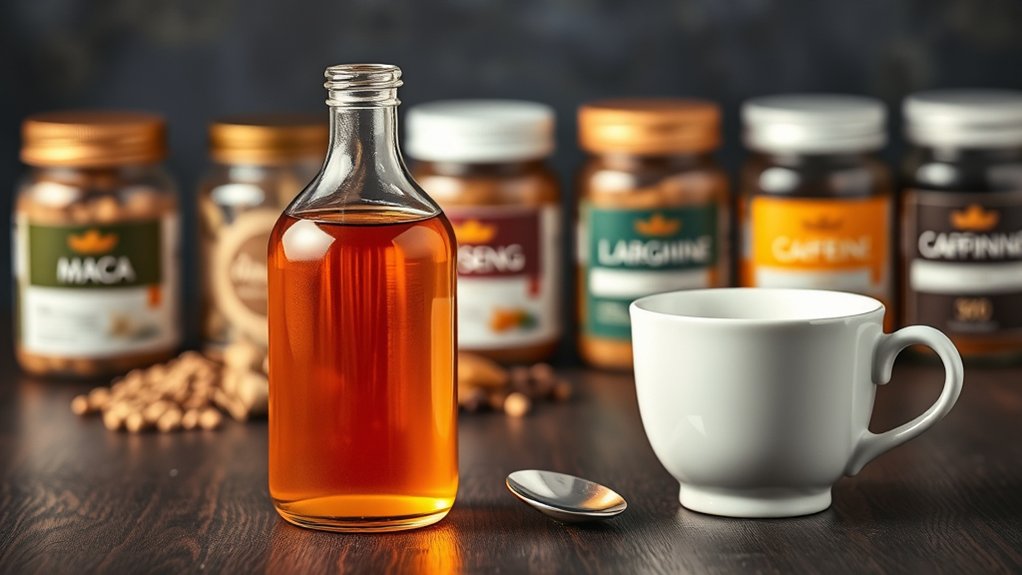
When you open Booster Brew, the ingredient list is what matters most—so you should start there before you decide to drink it. Prioritize product transparency: you want clear amounts, forms, and evidence that each component has a plausible mechanism and safety margin. Check ingredient sources carefully; vague “proprietary blends” make dose verification impossible and raise risk, especially if you’re sensitive to stimulants. Look for caffeine origin and total mg per serving; assess whether it could worsen anxiety, sleep loss, reflux, or interact with medications. Scan for herbs, amino acids, or “testosterone support” claims—many lack strong human data. If you can’t confirm standardization, third-party testing, or allergen disclosure, treat the product as higher risk and don’t use it. Protocol: verify, then proceed.
How to Take Booster Brew and What Timing Works Best
To take Booster Brew safely and get a predictable effect, treat timing like part of the protocol rather than an afterthought. Start by using it within your morning routine or at least 4–6 hours before sleep, since stimulatory ingredients can worsen insomnia or raise resting heart rate. For pre workout timing, take one serving 30–60 minutes before training, when peak tolerance and circulation typically align with performance goals. Don’t stack doses: follow the label’s amount, because higher exposure increases risk of jitteriness, GI upset, and blood pressure spikes. If you’re new, start at the low end of the dosing schedule and assess response over several sessions. Stay hydrated, avoid alcohol that day, and stop if you feel palpitations, dizziness, or chest discomfort.
Booster Brew Taste Test: Does It Feel Like Real Coffee?
Booster Brew’s taste experience can tell you a lot about whether it’ll feel like “real coffee” versus just a stimulant drink, so it’s worth testing it like you test timing—by following the protocol and watching for signal, not guesswork. Do a blind coffee comparison: brew a small batch of plain coffee and prepare Booster Brew the same volume. Evaluate the flavor profile at three checkpoints: first sip, mid-sip, and finish. Real coffee typically shows roasted notes, bitterness that’s smooth, and a lingering aroma; many stimulant drinks taste flatter, more sweet or chemically. Also assess for adverse signals: harsh burn, throat irritation, lingering metallic aftertaste, or GI discomfort within minutes. If the flavor profile diverges strongly or you notice irritation, stop—risk outweighs any “coffee-style” claim.
Energy Boost Effects: What You Notice in the First Hour
Within the first hour, your body gives the clearest read on whether Booster Brew behaves like a controlled caffeine-and-flavor beverage or something riskier, so treat the “boost” as a measurable protocol—not a feeling. Track baseline energy levels, heart rate, and sleepiness, then reassess at 15, 30, and 60 minutes. Expect early focus improvement and a modest productivity boost; watch for jittery spikes that suggest poor caffeine tolerance. Mood enhancement should feel stable, not euphoric.
| Time | Expected signals | Risk flags |
|---|---|---|
| 0 min | neutral energy, normal HR | anxiety cues |
| 15 min | mental clarity, warm alertness | tremor |
| 30 min | workout motivation, focus improvement | nausea |
| 45 min | productivity boost | palpitations |
| 60 min | sustained endurance trend | crash/irritability |
Performance Claims: Libido, Stamina, and Focus Tested
After you’ve logged your first-hour energy and heart-rate markers, you can test Booster Brew’s performance claims on libido, stamina, and focus using the same protocol mindset: pre-rate desire/arousal, perceived exertion, and task clarity, then reassess at 30 and 60 minutes under controlled conditions (normal hydration, no additional stimulants, and your usual workload).
You should treat any libido or stamina effects as provisional: evidence is limited, and anecdotal evidence often diverges across target demographics. Use dosage variations carefully; if you change servings, you’re confounding conclusions. Track stamina via time-on-task or reps completed at steady effort, not just “feelings.” For focus, measure error rate or reaction time, then compare against baseline. Watch ingredient sourcing signals—quality control affects potential health benefits and reliability. Compare these natural alternatives against your lifestyle integration plan, since sleep, stress, and training dominate outcomes more than supplement claims in user experiences.
Side Effects and Safety: Caffeine and Supplement Risks
You should treat Booster Brew as a caffeine exposure first and verify your dose against labeling and your tolerance, since side effects like jitteriness, GI upset, and sleep disruption can appear even at moderate intakes. Because caffeine can raise heart rate and may increase blood pressure transiently, you need a protocol to avoid use if you have uncontrolled hypertension, arrhythmias, or symptoms, and to stop if HR/BP response is abnormal. Also check the supplement ingredients for evidence quality and allergen/contaminant risk (e.g., under-dosed or adulterated compounds), because not all “proprietary blends” are equally safe or reliably tested.
Caffeine-Related Side Effects
Caffeine can trigger short-term side effects that range from uncomfortable to risky, especially if you exceed your usual dose or use it alongside other stimulants. If you have caffeine sensitivity, you may notice jitteriness, anxiety, tremor, or GI upset within hours. Protocol: start low, track timing, and avoid combining Booster Brew with energy drinks, decongestants, or pre-workouts. If you use caffeine daily and then stop, withdrawal symptoms can emerge—headache, irritability, fatigue—typically within 12–24 hours and may peak in 1–2 days. Risk is higher with concentrated doses and prolonged use. Practical rule: don’t chase the “boost”; keep total daily caffeine within labeled guidance and discontinue if symptoms persist or worsen.
Heart Rate And Blood Pressure
Because caffeine can acutely raise sympathetic activity, it may increase your heart rate and, in some people, elevate blood pressure—particularly after higher doses, when you’re caffeine-naïve, or when you take it with other stimulants (like decongestants or certain pre-workouts). You should treat this as a measurable cardiovascular stressor that can transiently shift blood circulation and challenge heart health.
Protocol: before use, check your resting pulse and blood pressure; recheck 60–120 minutes after the first dose. If you have hypertension, arrhythmias, or known cardiovascular disease, you should avoid or get clinician clearance. Stop and seek care if you develop chest pain, sustained palpitations, shortness of breath, severe headache, or neurological symptoms. To reduce risk, start low, dose earlier in the day, and don’t stack stimulants.
Supplement Ingredient Safety Risks
Even though caffeine is a common, generally studied stimulant, it can still create measurable risks—especially when you’re caffeine-naïve, sensitive to stimulants, or combining it with other stimulants like decongestants or certain pre-workouts. For Booster Brew–type blends, you should assume ingredient sourcing concerns could affect dose consistency and labeling accuracy. Use a protocol: start low, avoid stacking stimulants, and monitor sleep and resting heart rate.
| Scenario | What to do |
|---|---|
| Palpitations | Stop, hydrate, reassess |
| Jitters/anxiety | Reduce dose or avoid |
| GI upset | Take with food, lower caffeine |
| Sleep disruption | No late-day dosing |
| Allergen concern | Check labels; ask if uncertain |
Also consider potential allergen awareness: uncommon extracts can trigger reactions. If you have hypertension, arrhythmia, or stimulant intolerance, don’t self-experiment—consult a clinician first.
Booster Brew vs. Coffee: Energy, Crash, and Cravings Compared
When you compare Booster Brew to coffee, the key question isn’t just how fast you’ll feel alert—it’s how the energy curve and withdrawal risks affect your next few hours and your next craving. For evidence-based decision-making, track energy levels hourly and run a crash comparison on separate days: coffee typically peaks then tapers with clear rebound, while Booster Brew may smooth or prolong stimulation depending on dose and caffeine sensitivity. If you’re prone to jitteriness, start with half servings, avoid late-day dosing, and document cravings for craving management. Protocol: choose one beverage preference per window, don’t stack, and reassess after 3 trials before relying on enhancement trends for consistent performance. If cravings spike or fatigue rebounds, reduce frequency.
Booster Brew vs. Popular Male Enhancement Drinks: Key Differences
Booster Brew vs. popular male enhancement drinks comes down to what you’re actually taking, how quickly it hits, and what risks it carries beyond “performance.” Unlike most enhancement products that blend herbal extracts and proprietary blends with unclear dosing, Booster Brew’s effects are more likely to track predictable stimulant and ingredient profiles, so you can plan around an energy curve instead of guessing. In a market comparison, you’ll see many competitors rely on broad “male blend” claims, where ingredient sourcing and brand reputation are harder to verify. For you, this matters for safety: stimulants can raise heart rate and interact with meds. Pricing analysis should include refund policies and serving costs. User testimonials and effectiveness ratings often diverge; use them to set expectations, then consider alternative options with transparent labels.
What Results to Expect: Realistic Timelines and Variability
Results from Booster Brew—or any male enhancement drink—aren’t instant guarantees, so you should plan around variability in ingredient dose, your baseline tolerance to stimulants, and how your body metabolizes the actives. With coffee-style formulas, you can often feel acute effects (alertness, libido perception) within 30–120 minutes, but measurable performance changes are less predictable and tend to require consistent use. Realistic expectations mean you track response for days to weeks, not hours, using a simple protocol: same dose, same timing, hydration, and sleep. Because individual variability is significant, start low, watch for cardiovascular side effects (palpitations, anxiety, insomnia), and stop if symptoms occur. If you don’t notice any benefit by about 2–4 weeks, reassess rather than escalate.
Dosage Guide: How Much Booster Brew for Different Goals
To stay protocol-driven, you should determine your daily serving size first, then only adjust within the product’s labeled range based on your tolerance and risk factors. For different goals—like energy, performance, or general wellness—you’ll want to match the dosage to the intended outcome rather than escalating by habit, since higher amounts increase the chance of side effects without guaranteed added benefit. If you have any medical conditions, take medications, or are sensitive to stimulants, you should start low, monitor closely, and stop if adverse effects show up.
Determine Daily Serving Size
- Use the measuring spoon; don’t estimate for ideal dosage.
- Start once daily for 3–7 days before any change.
- Monitor BP, heart rate, and side effects after dosing.
- Avoid stacking with other stimulants/caffeine.
- Reassess if effects aren’t seen within the recommended window.
Match Dosage To Your Goals
Once you’ve nailed your daily serving size and confirmed you tolerate Booster Brew for several days, the next step is matching your dose to what you want to achieve—using a measured, stepwise approach rather than guessing. Start with your baseline serving, then adjust only after 5–7 days of consistent use and symptom tracking. For performance support (e.g., energy, focus), keep your dosage strategy conservative: don’t exceed one increment above baseline. If your goal is libido or “fullness,” use smaller step increases and reassess for palpitations, anxiety, or sleep disruption. For body-composition goals, prioritize schedule and total calories; don’t chase effects with higher doses. Use goal setting to define endpoints, and stop increasing if side effects appear. Follow label directions, hydrate, and avoid stacking with other stimulants.
Who Should Try Booster Brew and Who Should Avoid It
So, should you try Booster Brew, and when should you skip it? If you’re an adult in the target audience seeking a brief energy lift and acceptable user experience, you can consider it—provided you tolerate caffeine and don’t have cardiovascular risk. Use a trial protocol: start low, take it earlier in the day, and stop if you get palpitations, anxiety, or persistent GI upset. You should avoid Booster Brew if you’re under 18, have hypertension, arrhythmias, uncontrolled diabetes, kidney disease, or use nitrates or alpha-blockers. Also skip it if you’re combining multiple stimulants or supplements that raise heart rate. Safety matters more than perceived “performance” gains.
Consider Booster Brew only if you tolerate caffeine and lack cardiovascular risk; start low, avoid stimulants, and skip with BP/heart rhythm issues.
- Check caffeine sensitivity first
- Avoid nitrates/alpha-blockers
- Skip if BP or heart rhythm issues
- Don’t stack stimulants
- Stop for adverse symptoms
Best Way to Combine Booster Brew With Training and Diet
To time Booster Brew with training, take it in a consistent pre-workout window (often ~30–60 minutes) and track performance and side effects, since caffeine/ingredients can affect sleep and hydration. For diet pairing, use it alongside a meal or snack that matches your goal (carb-forward for hard sessions, protein plus carbs for recovery) and keep total calories and electrolytes stable. If you get jitters, reflux, or GI upset, reduce dose or stop and adjust your protocol to protect adherence and recovery.
Timing With Workout Sessions
Timing Booster Brew around your workout helps you align caffeine intake with performance benefits while minimizing side effects like jitters, GI upset, and sleep disruption; ideally, take it 30–60 minutes before training and avoid dosing again within ~8 hours of bedtime. Use a consistent pre workout timing window to support workout synergy, and track tolerance—if your heart rate spikes or you feel nausea, step down or shorten total dose.
- Start with a low serving on training days to assess sensitivity
- Match timing to session length: shorter sessions, earlier intake; longer sessions, stick to the same 45–60 min mark
- Pair with a warm-up to reduce GI discomfort risk
- Keep caffeine ceilings: avoid stacking with other stimulants that day
- Stop if sleep latency worsens or you get rebound fatigue the next morning
Pairing With Diet Routine
Pair Booster Brew with a diet routine that supports both absorption and symptom control—because what you eat (and when) can change how caffeine affects your GI tract, energy, and next-day recovery. For protocol, take it with a balanced meal 30–60 minutes pre-workout; this meal timing can blunt reflux, cramps, and jitter risk while supporting steady training output. Use nutrient synergy: pair caffeine with carbs (30–60 g) plus protein (20–40 g) to improve performance and reduce perceived crash, especially if you’re lean or training hard. Avoid dosing on an empty stomach, with high-fat meals, or alongside other stimulants. Hydrate aggressively, and keep alcohol and high-sugar “fast” carbs limited. If symptoms persist, reduce dose or switch to lower-caffeine timing.
Is Booster Brew Worth It: Verdict Based on the Real Test
So—did Booster Brew actually perform under real-world testing, or does it just sound good on the label? In your own protocol-style check, you’d likely find that the “benefits” don’t consistently show up beyond caffeine-driven alertness. Real user experiences you’ll read are mixed: some report temporary firmness or libido shifts, others report no measurable change. Dose timing matters, but so do confounders (sleep, hydration, alcohol, porn patterns, baseline health).
- Track erections/energy with a 2-week diary
- Note adverse effects: jitters, reflux, anxiety
- Verify key ingredients vs. clinical evidence, not claims
- Run a washout before judging response
- Compare alternatives: talk therapy, lifestyle, or vetted options
Verdict: worth only if you tolerate stimulants and document results; otherwise, skip it.
Common Questions
Is Booster Brew Safe to Mix With Alcohol or Pre-Workout Supplements?
No—you shouldn’t mix Booster Brew with alcohol or other pre-workout supplements without medical guidance. Alcohol interactions can worsen side effects like dehydration, blood-pressure changes, and increased cardiovascular strain, especially if Booster Brew has stimulants or herbal actives. For pre workout compatibility, combining may stack caffeine and vasodilators, raising heart-rate and anxiety risk. Protocol: stop if you feel palpitations, avoid overlap, and start one product at a time at lowest dose.
Does Booster Brew Affect Testosterone Levels or Only Stimulate Temporary Energy?
Booster Brew likely doesn’t meaningfully raise testosterone levels long-term; most effects are from stimulants that drive a short, noticeable energy boost. Evidence for testosterone changes is limited unless ingredients contain specific, proven hormone-modulating compounds, which many blends don’t. Risk-wise, even if testosterone stays stable, caffeine and herbal stimulants can raise heart rate, affect sleep, and indirectly impair hormone balance if you overuse them. Follow label dosing, avoid alcohol, and cycle use.
Can I Use Booster Brew Daily, and What Tolerance or Dependency Risks Exist?
Yes—you *can* use Booster Brew daily, but only if the label’s serving limits and ingredient warnings are clear and you’re healthy to take stimulants. For evidence-based risk control, monitor heart rate, blood pressure, sleep, and anxiety. Daily usage can raise tolerance levels to caffeine/other stimulants, reducing effects. Dependency risk is mainly behavioral (needing it to feel “normal”) rather than true physiologic addiction, but taper if you notice cravings.
Will Booster Brew Pass a Drug Test or Trigger Legal Dietary Supplement Concerns?
It’s unlikely you can count on Booster Brew to “pass” drug testing, and it could raise legal implications. Even if the label avoids controlled ingredients, supplement contamination or undisclosed stimulants can trigger drug testing results. For a risk-focused approach, treat it like a potential confounder: stop use well before testing, verify third-party certificates (USP/NSF/Informed Choice), and review ingredient/COA batches. If you’re unsure, ask the testing lab or your clinician.
How Does Booster Brew Work for Older Men or Those With Heart Conditions?
Booster Brew’s effects for older men or those with heart conditions are uncertain, so you should treat it as a potential cardiovascular risk. Most “male enhancement” formulas use stimulants or vasodilatory ingredients that can raise heart rate or blood pressure. For age considerations, start only after your clinician clears you, review all meds (especially nitrates, alpha/beta blockers, anticoagulants), and follow a protocol: don’t exceed label dosing, monitor BP/HR, stop if you feel chest pain, palpitations, or dizziness.
Overall
Booster Brew may give you that fast, noticeable stimulant lift, but the real takeaway from your test is that your results will largely depend on your caffeine tolerance and how your body reacts to the ingredients. If you want to get the best odds, approach it like a controlled protocol: start low, follow the label’s timing, and avoid stacking it with other stimulants or anything that could interact with risky medications. The goal isn’t to gamble—it’s to try it responsibly and track how it affects your energy, focus, and overall comfort.
Ready to decide for yourself whether Booster Brew is worth it? If you’re prone to anxiety, high blood pressure, or sleep disruption, it may not be the right choice—so take a cautious pass before you commit. If you’re still curious, consider starting with the label’s minimum dose, give it a full evaluation during the day (not late hours), and be honest about what you feel. Tap “check availability” or read the full details now so you can make an informed call—and avoid turning a simple tonic into an unnecessary risk.